



Gum disease, gingivitis, and gum infections are common oral health issues that can have serious consequences if left untreated. These conditions can lead to discomfort, tooth loss, and other health complications. Understanding the causes of these issues is essential for prevention and effective treatment. This blog will explore the common causes of gum disease, gingivitis, and infections, and provide insights on how to maintain healthy gums.
Understanding Gum Disease
Gum disease, also known as periodontal disease, is an infection of the tissues that support your teeth. It begins with bacterial growth in your mouth and can progress to more serious stages if not treated early. There are two primary stages of gum disease: gingivitis and periodontitis.
1. Poor Oral Hygiene
The most common cause of gum disease is poor oral hygiene. When you don’t brush and floss regularly, plaque—a sticky film of bacteria—builds up on your teeth. Over time, this plaque hardens into tartar, which can only be removed by a dental professional. Tartar buildup irritates the gums, leading to inflammation and the early stages of gum disease, known as gingivitis.
2. Smoking and Tobacco Use
Smoking and the use of tobacco products are significant risk factors for gum disease. Tobacco products can damage the gums and reduce their ability to heal. Smoking also weakens the immune system, making it harder for your body to fight off a gum infection. This leads to a higher likelihood of developing gum disease and more severe symptoms.
3. Hormonal Changes
Hormonal changes in women, particularly during pregnancy, menstruation, and menopause, can make gums more sensitive and susceptible to gingivitis. During these times, the body’s response to plaque can be exaggerated, leading to swollen, tender, and bleeding gums.
4. Medications
Certain medications can affect oral health and contribute to gum disease. Some drugs reduce saliva production, leading to a dry mouth, which increases the risk of gum disease. Others may cause abnormal gum tissue growth, making it easier for plaque to accumulate and cause infections.
5. Poor Nutrition
A diet lacking in essential nutrients can compromise your immune system and make it harder for your body to fight off infections, including gum disease. Specifically, a diet low in vitamin C can lead to scurvy, a condition that causes bleeding gums and loose teeth.
The Role of Gingivitis
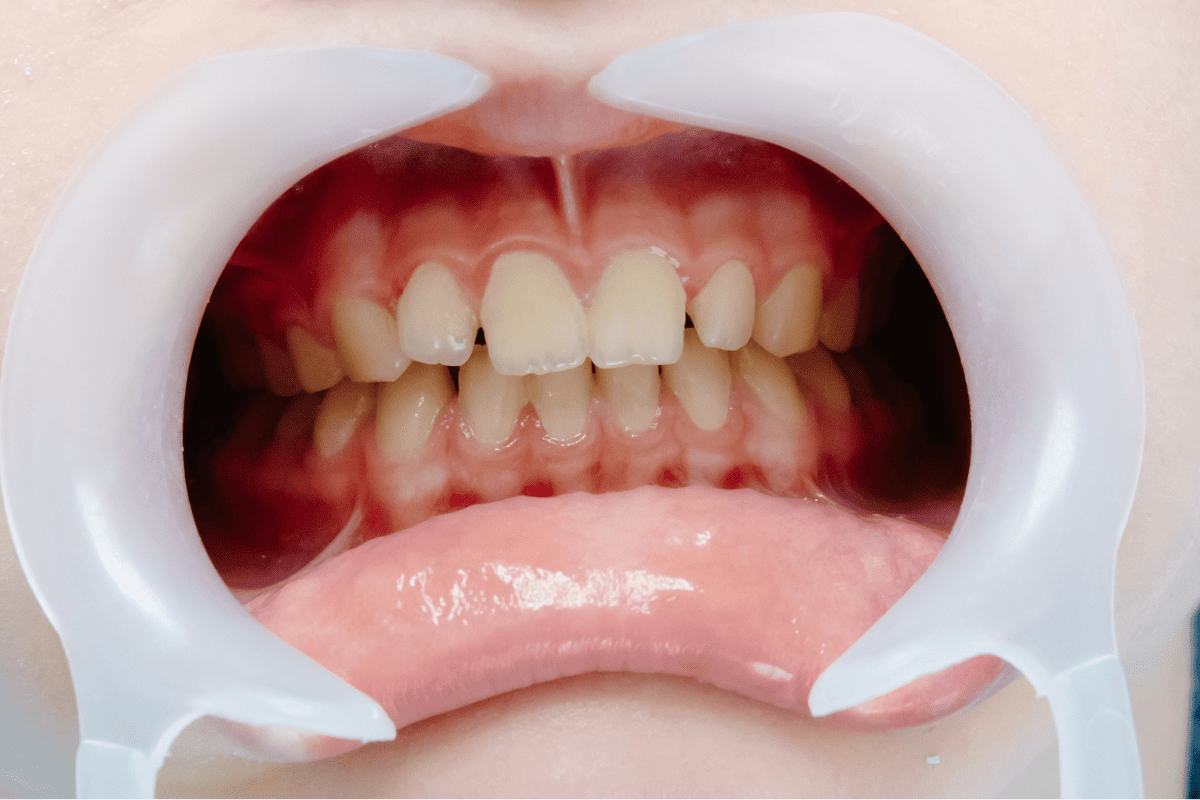
Gingivitis is the earliest stage of gum disease, characterized by inflammation of the gums. It’s a mild form of gum disease and is usually reversible with good oral hygiene practices. However, if left untreated, gingivitis can progress to periodontitis, a more severe form of gum disease.
1. Plaque Buildup
As mentioned earlier, plaque buildup is the primary cause of gingivitis. When plaque isn’t removed through regular brushing and flossing, it irritates the gums, causing them to become red, swollen, and prone to bleeding.
2. Infrequent Dental Visits
Regular dental checkups are crucial for preventing and treating gingivitis. During these visits, your dentist can remove tartar and plaque buildup that you might miss with regular brushing and flossing. Skipping dental visits allows plaque and tartar to build up, increasing the risk of gingivitis and other gum infections.
Gum Infections: A Serious Concern
Gum infections are more advanced stages of gum disease that can lead to tooth loss and other serious health issues if not treated promptly. These infections occur when the gums pull away from the teeth, creating pockets that become infected. The body’s immune system fights the bacteria, but the infection can spread to the bone and connective tissue, leading to tooth loss.
1. Untreated Gingivitis
When gingivitis is not treated, it can advance to periodontitis, a severe gum infection. The longer plaque and tartar remain on the teeth, the more harmful they become, leading to the destruction of the gums, bones, and tissues that support the teeth.
2. Weakened Immune System
A weakened immune system, whether due to illness, medication, or lifestyle factors, can make it difficult for the body to fight off gum infections. This allows bacteria to grow unchecked, leading to severe gum disease and infections.
3. Chronic Conditions
Chronic health conditions such as diabetes and heart disease have been linked to an increased risk of gum infections. These conditions can affect the body’s ability to heal and fight infections, making it easier for gum disease to progress to more serious stages.
Preventing Gum Disease, Gingivitis, and Infections
Preventing gum disease, gingivitis, and infections is crucial for maintaining overall oral health. Here are some effective strategies to keep your gums healthy:
1. Practice Good Oral Hygiene
Brush your teeth at least twice a day and floss daily to remove plaque from hard-to-reach areas. Using an antibacterial mouthwash can also help reduce bacteria and plaque buildup.
2. Regular Dental Visits
Schedule regular dental checkups and cleanings to remove tartar and plaque that brushing and flossing alone can’t handle. Your dentist can also spot early signs of gum disease and provide treatment before it progresses.
3. Avoid Tobacco Products
Quitting smoking and avoiding tobacco products can significantly reduce your risk of developing gum disease and other oral health issues. Smoking cessation can also improve your overall health and increase your body’s ability to fight off infections.
4. Eat a Balanced Diet
A diet rich in vitamins and minerals, particularly vitamin C, can help maintain strong, healthy gums. Avoiding sugary foods and drinks can also reduce the risk of plaque buildup and gum disease.
5. Manage Chronic Conditions
If you have a chronic condition such as diabetes, it’s important to manage it properly to reduce your risk of gum disease. Work with your healthcare provider to keep your condition under control and follow your dentist’s recommendations for oral care.
Conclusion
Gum disease, gingivitis, and gum infections are serious oral health issues that require attention and care. By understanding the common causes of these conditions and taking proactive steps to prevent them, you can maintain healthy gums and avoid the complications associated with untreated gum disease.
If you’re in McKinney, TX, and are experiencing symptoms of gum disease or need professional guidance on maintaining healthy gums, Innovative Dental Specialists of McKinney is here to help. Our experienced team offers comprehensive gum disease treatment in McKinney, tailored to your unique needs. Contact us today to schedule a consultation and take the first step toward a healthier smile.



New Patients Appointments Welcome!
