


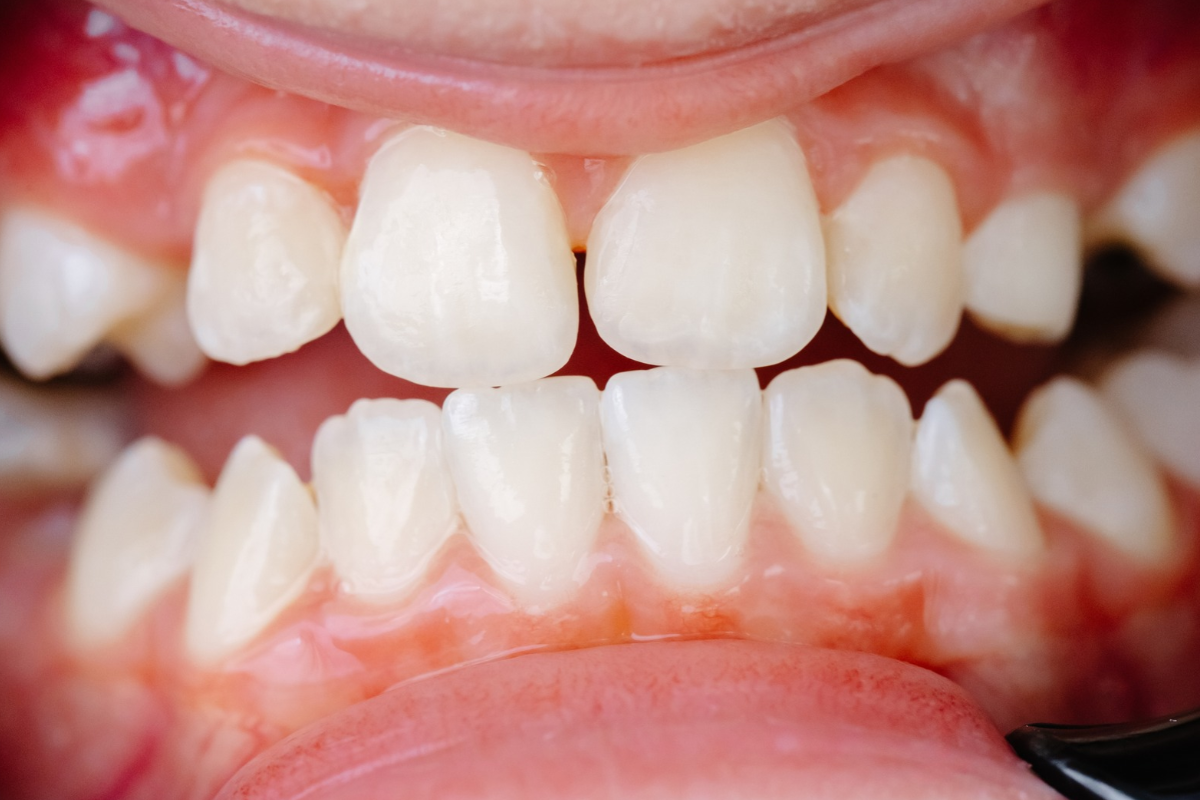
If you smoke and you’ve been told you have gum disease, you may be wondering two things: Can this be treated? And will smoking get in the way?
Here’s the honest answer: gum disease can be treated in smokers, and many people improve with care. But smoking can make the disease more likely, harder to spot, and slower to heal. Understanding why gives you more control over your results. This guide explains how smoking affects gum treatment, what you can do about it, and what to expect, without judgment.
What Is Gum Disease?
Gum disease (periodontal disease) is an infection of the gums and the structures that support your teeth. It develops in stages:
- Gingivitis: The earliest stage. Gums may be red, puffy, or tender. It’s generally reversible with good care.
- Periodontitis: The infection spreads below the gumline, and the gums begin pulling away from the teeth. Pockets form, and bone loss can occur.
- Advanced periodontitis: Significant bone loss, loose teeth, and possible tooth loss.
Gum disease is one of the leading causes of tooth loss in adults, according to the American Dental Association and other major health organizations. It has also been linked to broader health concerns, including diabetes and heart disease.
How Smoking Affects Your Gums
Smoking doesn’t just stain teeth. It changes the environment of your whole mouth.
Reduced Blood Flow
Nicotine narrows blood vessels. Less blood reaching the gums means less oxygen and fewer nutrients, which are exactly what tissues need to repair themselves.
A Weaker Immune Response
Smoking can impair the body’s ability to fight infection. Your gums become more vulnerable to the bacteria that cause gum disease, and it’s harder for your body to push back.
More Harmful Bacteria
Tobacco use is associated with a shift in oral bacteria toward species that thrive in gum disease. Plaque and tartar can also build up more quickly.
The Masking Effect
This is one of the most important and least discussed points. Because of the reduced blood flow, smokers’ gums often bleed less, and bleeding is one of the main warning signs people look for. As a result, gum disease in a smoker can progress quietly. Many smokers don’t realize anything is wrong until the disease is advanced.
Why Smokers Are at Higher Risk
Research consistently shows that people who smoke are more likely to develop periodontitis than nonsmokers. Smokers also tend to experience more severe bone loss and more tooth loss. The more a person smokes and the longer they’ve smoked, the greater the risk generally is.
The good news is that risk isn’t fixed. It can change once smoking stops.
How Smoking Affects Gum Disease Treatment and Healing
Even with excellent care, smoking can complicate treatment in several ways.
- Slower healing. Reduced blood supply can slow tissue repair after deep cleanings and surgery.
- Weaker response to treatment. Smokers often see smaller improvements in pocket depth and attachment after non-surgical treatment than nonsmokers do.
- Higher risk of recurrence. Gum disease can return more readily in smokers, making maintenance visits especially valuable.
- Greater risk of surgical complications. Procedures such as flap surgery or grafting may heal less predictably.
- Lower implant success. If teeth are lost, smoking is associated with a higher risk of implant complications and failure.
None of this means treatment is pointless. It means that your care plan, home routine, and follow-up matter even more.
Gum Disease Treatment Options, and Where Smoking Fits In
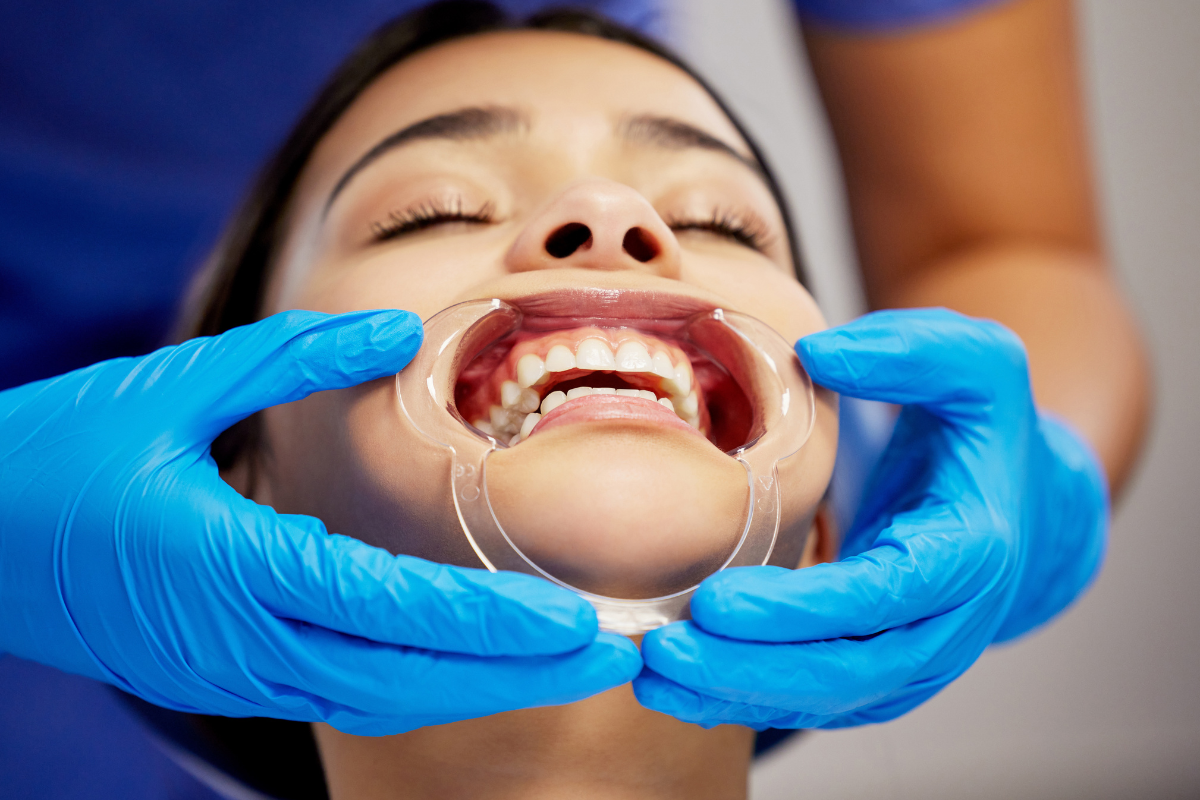
The right treatment depends on how far the disease has progressed. After an exam, X-rays, and measurements of the pockets around each tooth, your dentist or periodontist will recommend a plan.
Professional Cleanings and Improved Home Care
For gingivitis, a thorough cleaning and better daily habits are often enough.
Scaling and Root Planing (Deep Cleaning)
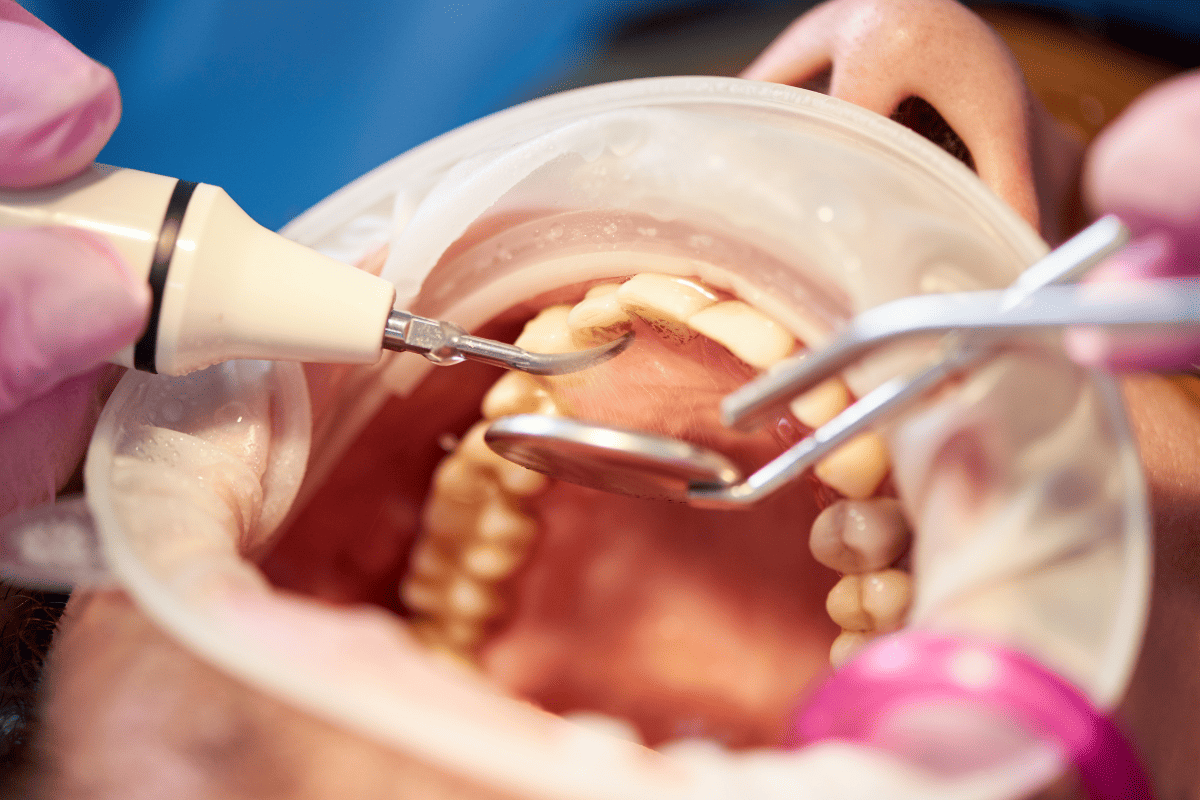
For early to moderate periodontitis, scaling removes plaque and tartar from above and below the gumline. Root planing smooths the root surfaces so gums can reattach more easily. Smokers can benefit from this treatment, though healing may be slower and results may be less pronounced than in nonsmokers.
Antibiotic or Antimicrobial Therapy
In some cases, localized antimicrobial treatments or medications are used alongside deep cleaning. Your provider will decide whether they’re appropriate.
Gum Surgery and Regenerative Procedures
For deeper pockets or significant bone loss, procedures like pocket reduction or bone and tissue grafting may be considered. Because smoking can interfere with how these areas heal, your provider may talk with you about timing, aftercare, and the role of quitting.
Ongoing Periodontal Maintenance
After active treatment, many patients need more frequent cleanings, often every three to four months. For smokers, this support is especially important.
Does Vaping or Smokeless Tobacco Count?
Yes, it’s worth talking about. Nicotine itself reduces blood flow, so e-cigarettes, vapes, chewing tobacco, snuff, and nicotine pouches can all potentially affect gum health. Research on vaping is still developing, and it should not be assumed to be harmless to your gums.
Cannabis smoking can also irritate gum tissue and contribute to dry mouth. If you use any of these, tell your dental team. We ask so we can plan your care, not to judge.
What Happens When You Quit?
Many people hope quitting will undo everything overnight. It’s more gradual than that, but the benefits are real.
- Within days to weeks: Blood flow to the gums begins to improve.
- Over the following months: Healing responses tend to improve, and the gums may begin to bleed more normally. This can seem alarming but is often a sign that circulation is returning.
- Over the long term: Studies suggest that former smokers respond better to periodontal treatment than current smokers, and their risk gradually moves closer to that of nonsmokers.
Every person is different, and timelines vary. Quitting even before treatment or surgery can help, so talk to your dentist about timing.
How to Prepare for Gum Disease Treatment If You Smoke
A few steps can improve your experience:
- Be open with your dental team about all tobacco and nicotine use.
- Ask about timing. Cutting back or pausing before a procedure can help tissue heal.
- Talk to your doctor or pharmacist about quit aids and support, such as nicotine replacement or prescription options. Free quitline support is available at 1-800-QUIT-NOW.
- Follow aftercare instructions closely, including rinses, diet, and avoiding smoking during recovery.
- Keep every follow-up visit. Smokers’ gums may need closer monitoring.
- Upgrade your home routine with a soft toothbrush, daily flossing or interdental cleaning, and any rinse your provider recommends.
Warning Signs You Shouldn’t Ignore
Because smoking can mask symptoms, don’t wait for bleeding. Contact a dentist if you notice:
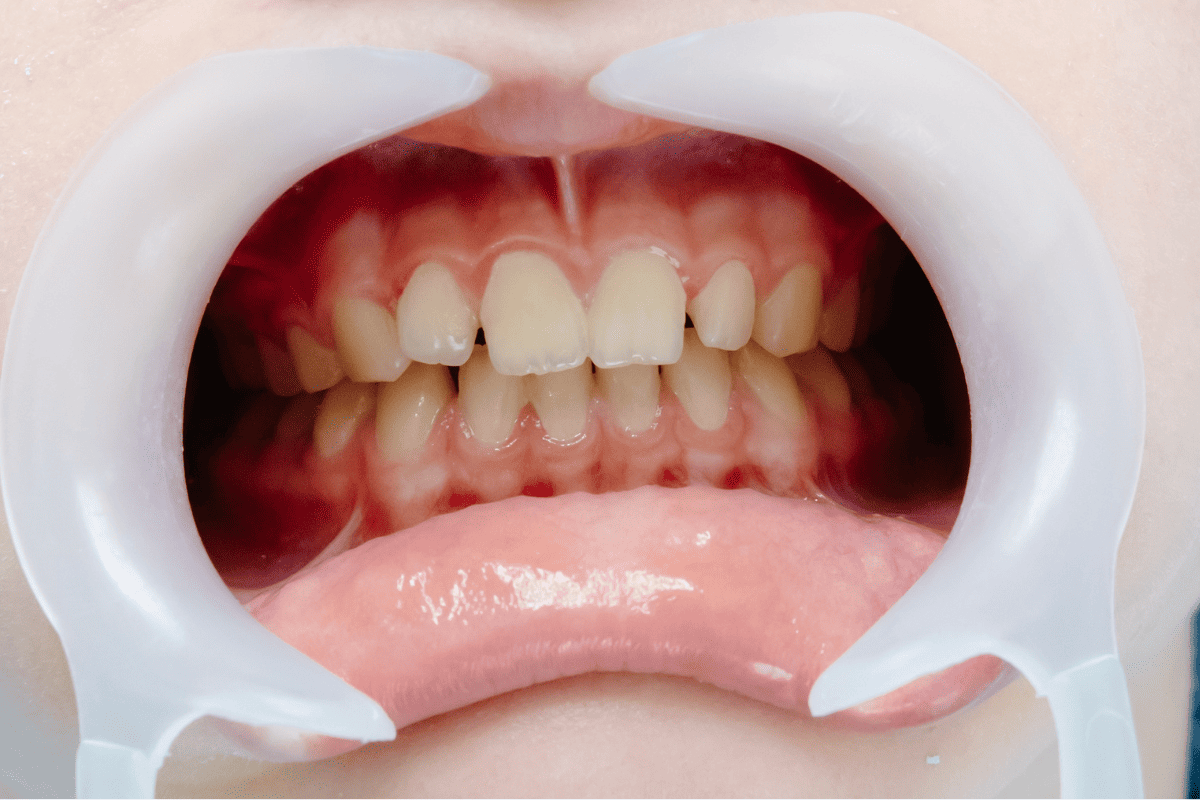
- Gums that are red, swollen, or tender
- Persistent bad breath or a bad taste
- Gums pulling away from the teeth
- Loose or shifting teeth
- Pus around the teeth or gums
- Changes in how your bite fits together
- A sore, patch, or lump that doesn’t heal (see a dentist or doctor right away)
Finding Gum Disease Treatment in McKinney, TX
Searching for gum disease treatment in McKinney can feel overwhelming, especially if you’ve been putting off a dental visit. You want a team that explains things clearly and treats you with respect.
At Innovative Dental Specialists of McKinney, we provide periodontal care for patients in McKinney, Texas, and nearby communities. Our team takes time to evaluate your gums, explain what we find, and build a treatment plan around your needs and goals. We believe in supportive, judgment-free care, and we’re glad to talk through quitting resources, healing expectations, and what to do next.
When you visit, you can expect:
- A thorough gum exam, including pocket measurements and X-rays when needed
- Clear explanations of your treatment options
- Guidance tailored to your habits and health history
- A realistic plan for follow-up and maintenance
Frequently Asked Questions
Can gum disease be treated if I smoke?
Yes. Many smokers improve with professional treatment and good home care. Healing may be slower and results may be less predictable than for nonsmokers, which is why follow-up care matters.
Do I have to quit smoking before getting gum disease treatment?
Not always. Treatment can often begin while you’re still smoking. But quitting, or at least cutting back, generally improves healing. Your dentist can discuss the best timing with you.
Why don’t my gums bleed if I smoke?
Nicotine reduces blood flow to the gums, which can hide common warning signs like bleeding. That means gum disease may be present even if your gums look fairly normal, so regular exams are important.
Is vaping safer for my gums than smoking?
Not necessarily. Vaping research is still developing, and nicotine itself can affect blood flow to the gums. Talk with your dentist about your specific situation.
How long does it take gums to heal after a deep cleaning?
Many people notice improvement within a few weeks, though full healing and re-evaluation often take longer. Smoking can slow the process.
Take the Next Step Toward Healthier Gums
Smoking makes gum disease more likely, harder to notice, and slower to heal, but it doesn’t mean you’re out of options. The sooner gum disease is identified and treated, the more you can protect your teeth, gums, and overall health.
Contact Innovative Dental Specialists of McKinney to schedule a gum health evaluation today. Our team is here to provide caring, practical, judgment-free support every step of the way.

New Patients Appointments Welcome!
