


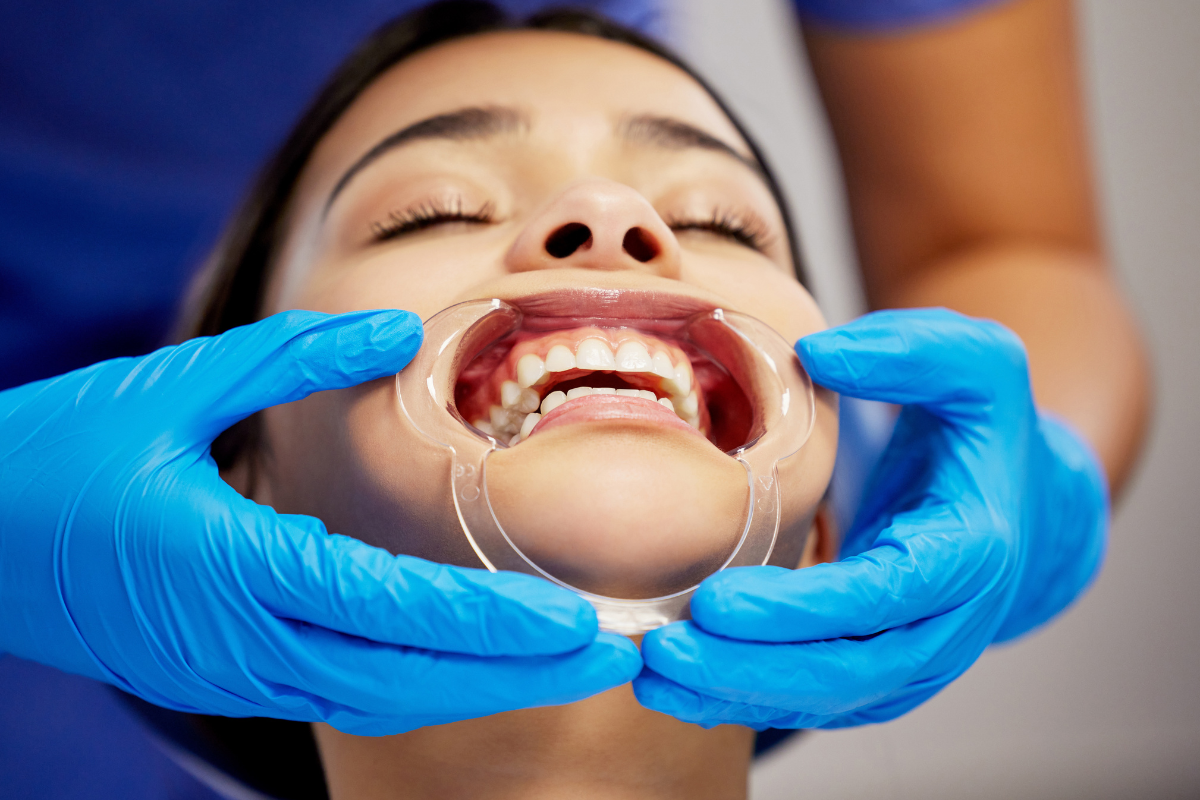
Bleeding gums, persistent bad breath, gum tenderness, or increasing sensitivity can sometimes seem like minor dental concerns. However, these symptoms may indicate that plaque and tartar have accumulated below the gumline, where a regular dental cleaning cannot adequately reach. When gum disease progresses, professional periodontal treatment may be necessary to protect the gums and the structures supporting your teeth.
One treatment commonly recommended for certain stages of gum disease is scaling and root planing, often called a deep cleaning. Unlike a routine cleaning, this procedure focuses on areas beneath the gumline where bacteria and hardened deposits can contribute to inflammation and periodontal disease.
For patients researching gum disease treatment McKinney, understanding when scaling and root planing is appropriate can help you recognize when it may be time to seek professional periodontal care.
What Is Scaling and Root Planing?
Scaling and root planing, or SRP, is a nonsurgical periodontal treatment designed to clean areas affected by gum disease.
A routine dental cleaning primarily removes plaque, tartar, and surface stains from accessible areas of the teeth. Scaling and root planing goes deeper by cleaning beneath the gumline and smoothing the exposed root surfaces. This allows your dental professional to address deposits that cannot be removed effectively with brushing, flossing, or a standard cleaning.
The treatment has two primary parts:
Scaling
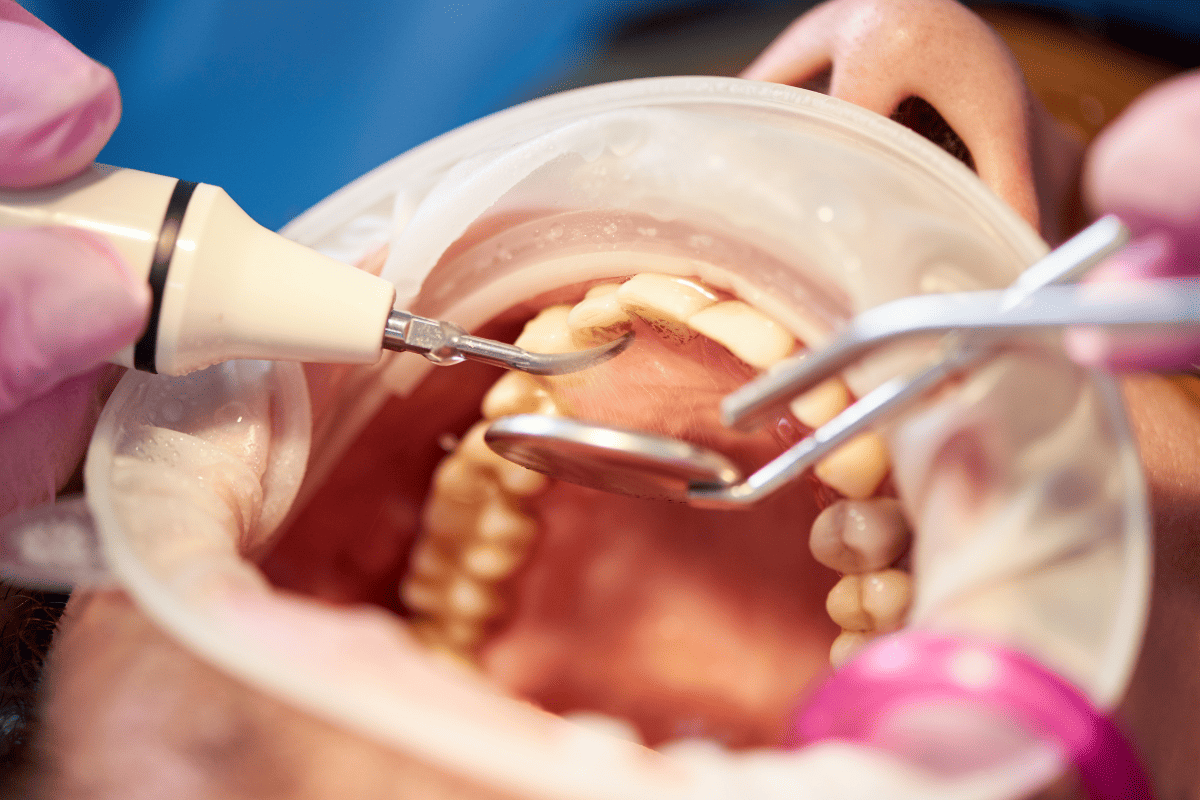
Scaling involves removing plaque, tartar, and bacterial buildup from the surfaces of your teeth, including areas below the gumline.
Tartar is hardened plaque that cannot simply be brushed away at home. When it collects around or below the gums, it can contribute to inflammation and the development or progression of periodontal disease.
Root Planing
Root planing involves carefully smoothing the surfaces of the tooth roots after deposits have been removed.
Smoother root surfaces make it more difficult for bacterial deposits to accumulate and can support healthier gum tissue around the teeth.
Because the treatment reaches beneath the gums, local anesthesia may be used to improve patient comfort.
When Is a Deep Cleaning Necessary?
Not everyone who visits a dentist needs scaling and root planing.
A deep cleaning is generally considered when a dental professional identifies signs of periodontal disease that cannot be adequately addressed with a routine preventive cleaning.
During a periodontal evaluation, your dentist or periodontist may examine:
- Gum pocket depths
- Bleeding or inflammation
- Plaque and tartar accumulation
- Gum recession
- Tooth mobility
- Changes in the supporting bone
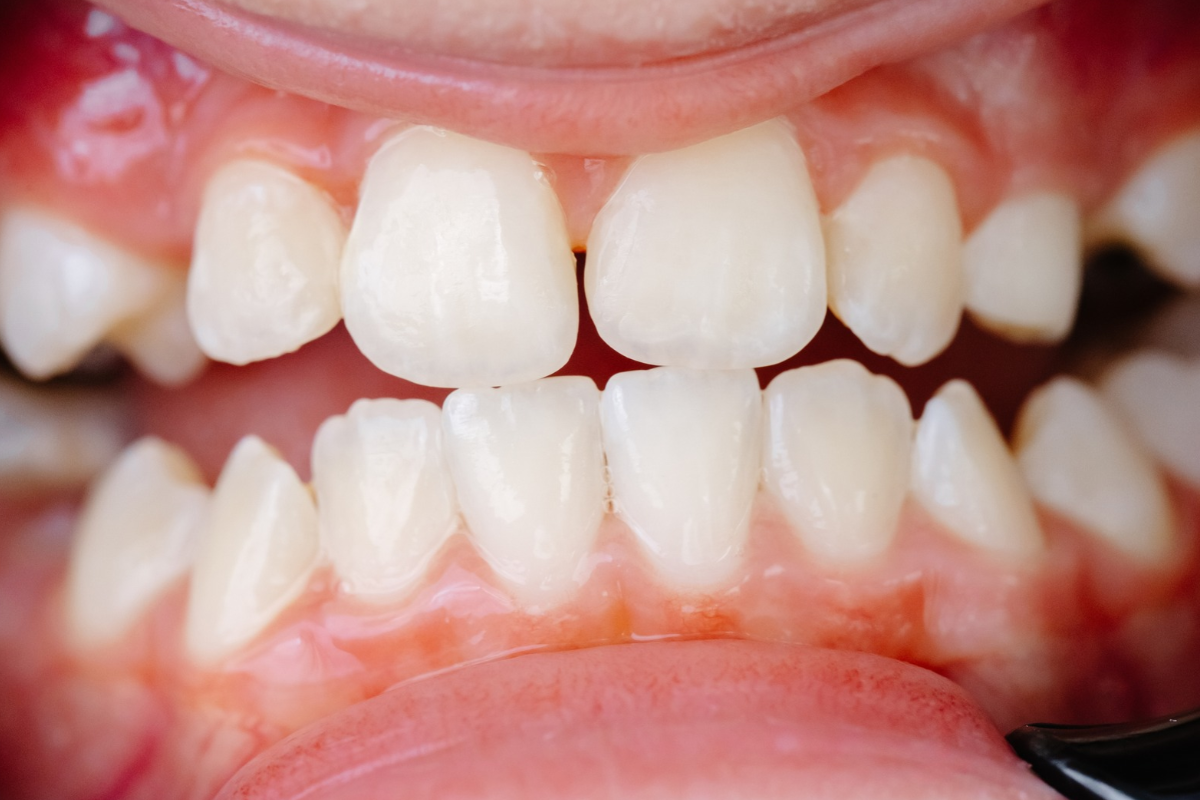
- The overall condition of your gums
If bacteria and tartar have accumulated deep within periodontal pockets, scaling and root planing may be recommended to clean these areas more thoroughly.
Signs You May Need Periodontal Treatment
You should not diagnose gum disease based on symptoms alone, but certain warning signs deserve professional attention.
These can include:
- Gums that bleed when brushing or flossing
- Red, swollen, or tender gums
- Persistent bad breath
- Gum recession
- Increased tooth sensitivity
- Teeth that appear longer because the gums have receded
- Loose or shifting teeth
- Changes in how your teeth fit together
- Persistent gum discomfort
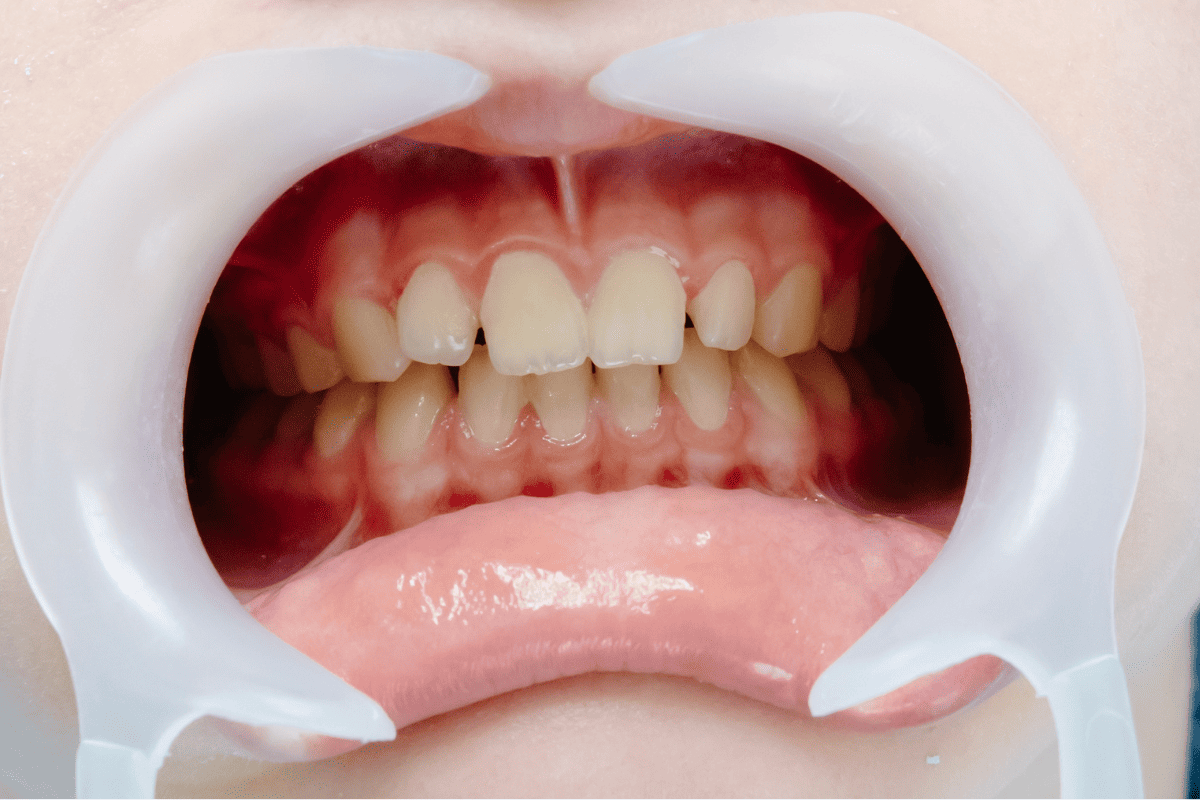
- Noticeable tartar buildup
Early evaluation can help determine whether you need routine preventive care or more advanced periodontal treatment.
Deep Cleaning vs. Regular Dental Cleaning
One of the most common questions patients have is, “Why can’t I just get a regular cleaning?”
The answer depends on where the buildup and inflammation are located.
A routine cleaning is generally intended to maintain healthy teeth and gums by removing plaque and tartar from accessible tooth surfaces.
A deep cleaning, or scaling and root planing, is designed to address periodontal disease by reaching beneath the gumline and treating affected root surfaces.
Think of it this way:
| Routine Cleaning | Scaling & Root Planing |
| Focuses on preventive maintenance | Treats areas affected by periodontal disease |
| Primarily cleans accessible tooth surfaces | Cleans below the gumline |
| Appropriate for healthy gums in many patients | May be recommended when gum disease is present |
| Usually does not require local anesthesia | Local anesthesia may be used for comfort |
| Part of ongoing preventive care | Part of periodontal treatment |
Your dentist or periodontist can determine which type of cleaning is appropriate after evaluating your oral health.
How Does Scaling and Root Planing Help Gum Health?
Gum disease develops when bacteria and plaque contribute to inflammation around the teeth. As periodontal disease progresses, pockets can develop between the teeth and gums, creating additional areas where bacteria can accumulate.
Scaling and root planing addresses these deposits directly.
By removing plaque and tartar from below the gumline and smoothing root surfaces, treatment can create a cleaner environment for the gums to heal. The goal is to reduce inflammation and help control the progression of periodontal disease.
However, scaling and root planing is not a substitute for ongoing oral care.
Once periodontal disease has been diagnosed, continued professional monitoring and good home care are important for maintaining the results.
What Happens During Scaling and Root Planing?
Knowing what to expect can make the procedure feel much less intimidating.
1. Periodontal Evaluation
Before treatment, your dentist or periodontal provider evaluates your gums and determines the extent of periodontal disease.
The evaluation may include measuring gum pockets and reviewing other signs of gum inflammation or tissue and bone changes.
2. Local Anesthesia
Because the treatment involves cleaning below the gumline, local anesthesia may be used to keep the treatment area comfortable.
Your dental professional will discuss the appropriate approach based on the areas being treated and your individual needs.
3. Scaling
Specialized dental instruments are used to remove plaque, tartar, and bacterial deposits from the teeth and beneath the gumline.
4. Root Planing
The root surfaces are carefully cleaned and smoothed to remove remaining deposits and create a healthier environment around the teeth.
5. Follow-Up Care
Your dental provider may recommend a follow-up evaluation to determine how your gums are responding.
Depending on the severity of gum disease, additional periodontal treatment or ongoing maintenance may be necessary.
Is Scaling and Root Planing Painful?
It is understandable to feel nervous about a procedure described as a “deep cleaning.”
Because scaling and root planing involves areas below the gumline, local anesthesia is commonly used to improve comfort.
After treatment, some patients may experience temporary:
- Gum tenderness
- Mild sensitivity
- Minor bleeding
- Tooth sensitivity to hot or cold
- General gum soreness
Your dental professional will provide specific aftercare instructions based on your treatment.
If you are particularly anxious about dental treatment, discuss your concerns before the procedure. Your dental team can explain what to expect and discuss appropriate comfort options.
How Long Does Scaling and Root Planing Take?
Treatment time varies depending on the amount of buildup, the number of affected areas, the severity of gum disease, and the treatment plan.
Some patients may have treatment completed across one or more appointments, while patients with more extensive periodontal involvement may require treatment divided into sections of the mouth.
The important point is that periodontal treatment should be individualized rather than based on a fixed appointment length.
Your provider can explain how many visits may be appropriate after examining your gums.
What Happens After a Deep Cleaning?
Scaling and root planing is the beginning of periodontal management—not necessarily the end.
Following treatment, your gums need time to respond to the removal of bacterial deposits and inflammation-causing buildup.
Your dental professional may recommend:
- Improved brushing and flossing techniques
- Specialized cleaning tools
- A follow-up periodontal evaluation
- Periodontal maintenance appointments
- Additional treatment for areas that do not respond adequately
- Changes to your home-care routine
Some patients with a history of periodontal disease may need maintenance visits more frequently than the traditional six-month cleaning schedule. A periodontist can determine an appropriate maintenance interval based on your individual condition.
Can Scaling and Root Planing Prevent Tooth Loss?
Untreated periodontal disease can damage the tissues and bone supporting the teeth and may eventually contribute to tooth loss.
The purpose of scaling and root planing is to remove bacterial deposits and tartar from affected areas and help manage periodontal inflammation before the condition progresses further.
However, the treatment cannot guarantee that every tooth will be preserved. The outcome depends on factors such as the severity of periodontal disease, existing bone and tissue damage, oral hygiene, smoking or tobacco use, systemic health factors, and how consistently the patient follows their maintenance plan.
This is why early evaluation matters.
If you notice bleeding gums or other warning signs, seeing a dental professional sooner can provide a clearer understanding of what is happening and which treatment options may be appropriate.
Why Choose a Periodontal-Focused Dental Practice?
Gum disease can range from mild inflammation to more advanced periodontal disease involving the tissues and bone that support your teeth.
When periodontal problems become more complex, working with a provider experienced in gum health can be especially valuable.
Innovative Dental Specialists of McKinney provides periodontal and implant-focused dental care in McKinney, Texas. Our approach to gum disease treatment begins with understanding the condition of your gums and supporting structures before recommending an appropriate treatment plan.
We understand that every patient’s oral health is different. Some people may only need improved preventive care, while others may benefit from scaling and root planing or additional periodontal services.
Our goal is to provide treatment based on your individual needs rather than recommending the same approach to every patient.
How Can You Protect Your Gums After Treatment?
Professional periodontal treatment works best when combined with consistent home care.
To support healthier gums:
Brush Twice a Day
Use a soft-bristled toothbrush and clean all tooth surfaces carefully. Avoid brushing aggressively, especially around areas where your gums are sensitive or receding.
Clean Between Your Teeth
Brushing alone does not adequately clean every area between your teeth. Floss, interdental brushes, or another method recommended by your oral care provider can help remove plaque from difficult-to-reach spaces.
Attend Recommended Follow-Ups
If you have been diagnosed with gum disease, keeping your periodontal appointments is important. Ongoing maintenance allows your dental team to monitor changes and address problems early.
Avoid Tobacco
Smoking and tobacco use can negatively affect oral health and make managing periodontal disease more challenging. Talk with your dental provider if you use tobacco and want guidance on protecting your gums.
Pay Attention to Changes
Don’t ignore recurring bleeding, swelling, bad breath, gum recession, or changes in tooth stability.
A symptom that keeps returning deserves professional evaluation.
When Should McKinney Patients Schedule a Gum Disease Evaluation?
You do not need to wait until your gums hurt before seeking care.
Gum disease can develop without significant pain, which means regular dental examinations are important even when your mouth feels normal.
Consider scheduling a periodontal evaluation if you notice:
- Frequent bleeding when brushing or flossing
- Persistent bad breath despite regular brushing
- Swollen or tender gums
- Receding gums
- Loose or shifting teeth
- Increasing tooth sensitivity
- Significant tartar buildup
- A previous diagnosis of periodontal disease
- Difficulty maintaining healthy gums despite good home care
For patients searching for gum disease treatment in McKinney, an evaluation can help determine whether a routine cleaning is enough or whether scaling and root planing or another periodontal treatment is more appropriate.
Frequently Asked Questions
Is scaling and root planing the same as a regular cleaning?
No. A regular cleaning focuses primarily on maintaining healthy teeth and gums, while scaling and root planing is designed to treat areas affected by periodontal disease. SRP reaches below the gumline and cleans the root surfaces.
How do I know if I need a deep cleaning?
Only a dental professional can determine whether scaling and root planing is appropriate. Your dentist or periodontist may evaluate gum pocket depths, bleeding, inflammation, tartar buildup, gum recession, and other signs of periodontal disease before recommending treatment.
How long does scaling and root planing take?
The time varies depending on the number of areas being treated and the severity of gum disease. Treatment may be completed during one or multiple appointments. Your provider can explain your expected treatment schedule after evaluating your gums.
Can gum disease return after scaling and root planing?
Yes. Scaling and root planing removes bacterial deposits and supports periodontal health, but gum disease requires ongoing management. Consistent home care, professional maintenance, and regular dental evaluations can help reduce the risk of recurrence or progression.
Should I see a periodontist for gum disease?
A general dentist can evaluate many gum-health concerns, while a periodontist specializes in the gums and other structures supporting the teeth. If you have persistent or more advanced periodontal problems, a periodontal-focused practice may be able to provide specialized evaluation and treatment.
Protect Your Gum Health With Personalized Care
Scaling and root planing can play an important role in managing gum disease when plaque, tartar, and bacteria have accumulated below the gumline. Unlike a routine cleaning, this treatment is designed to reach deeper areas and clean the tooth roots where periodontal problems can develop.
The best way to determine whether you need a deep cleaning is through a professional periodontal evaluation. Early attention can make it easier to understand the condition of your gums and develop a gum disease treatment mckinney suited to your needs.
At Innovative Dental Specialists of McKinney, we provide periodontal care designed around each patient’s oral health needs. Our services focus on protecting the gums and supporting structures that help keep your natural teeth healthy and functional.
If you are experiencing bleeding gums, gum recession, persistent bad breath, or other signs of periodontal disease, schedule an evaluation with our McKinney dental team to find out whether scaling and root planing or another form of gum disease treatment may be right for you.

New Patients Appointments Welcome!
