


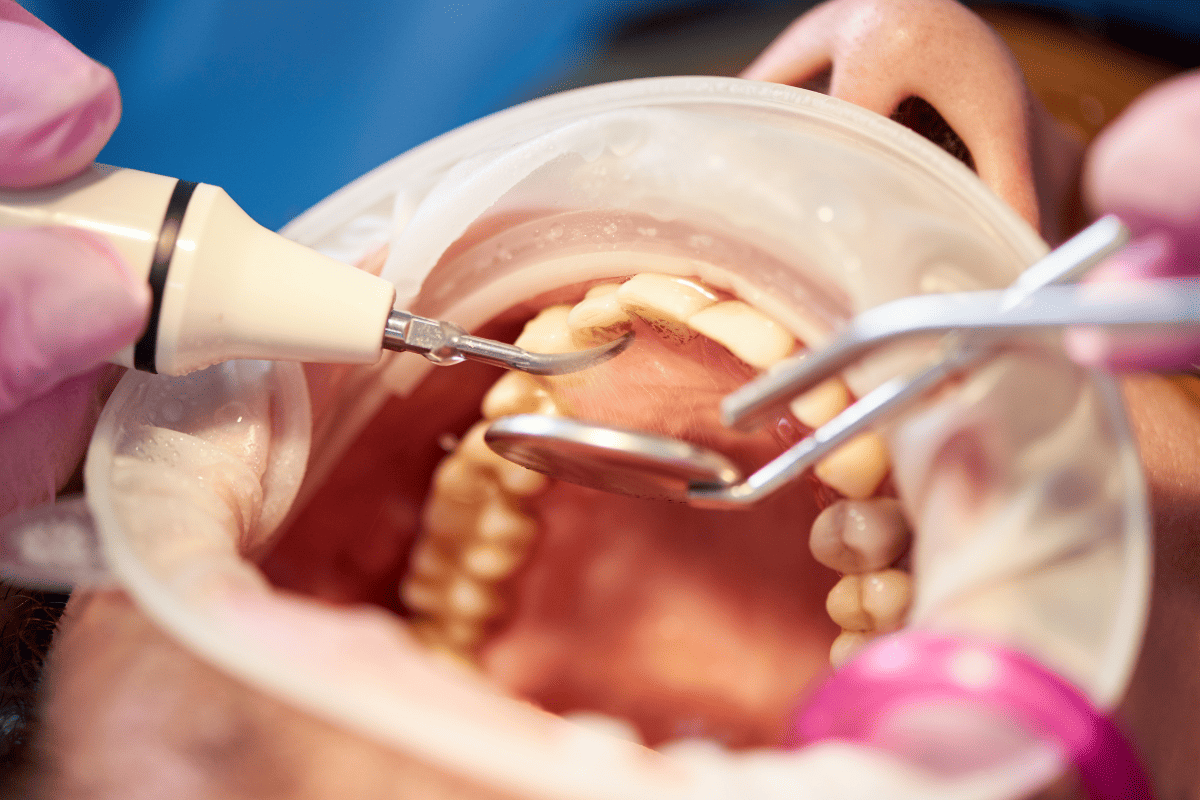
Seeing a little blood when you brush or floss may not seem like a big deal. Many people assume it’s caused by brushing too hard or trying a new toothbrush, so they ignore it and move on with their day. However, healthy gums shouldn’t bleed regularly. In many cases, bleeding is one of the earliest warning signs that your gums need professional attention.
Gum disease often develops gradually, making it easy to overlook in its early stages. What starts as mild irritation can progress to more serious periodontal problems if left untreated. The good news is that recognizing the warning signs early can help protect your teeth, gums, and overall oral health.
If you’ve been searching for gum disease treatment McKinney, understanding these symptoms can help you know when it’s time to schedule an evaluation. At Innovative Dental Specialists of McKinney, we provide comprehensive periodontal care for patients throughout McKinney, Texas, helping diagnose, treat, and manage gum disease before it leads to more complex dental problems.
Why Healthy Gums Matter
Your gums do much more than frame your smile. They support your teeth, protect the underlying bone, and create a barrier against harmful bacteria.
When gum tissue becomes inflamed or infected, it can affect more than just your mouth. Left untreated, advanced gum disease may contribute to tooth loss and can make maintaining good oral health more difficult.
That’s why healthy gums are just as important as healthy teeth.
1. Bleeding When You Brush or Floss
Occasional irritation may happen from brushing too aggressively, but frequent bleeding is one of the earliest signs of gum disease.
If your gums bleed regularly while brushing or flossing, it’s time to schedule an evaluation.
Bleeding often indicates inflammation caused by plaque and bacteria accumulating along the gumline.
Professional treatment can address the underlying cause before the condition progresses.
2. Red, Swollen, or Tender Gums
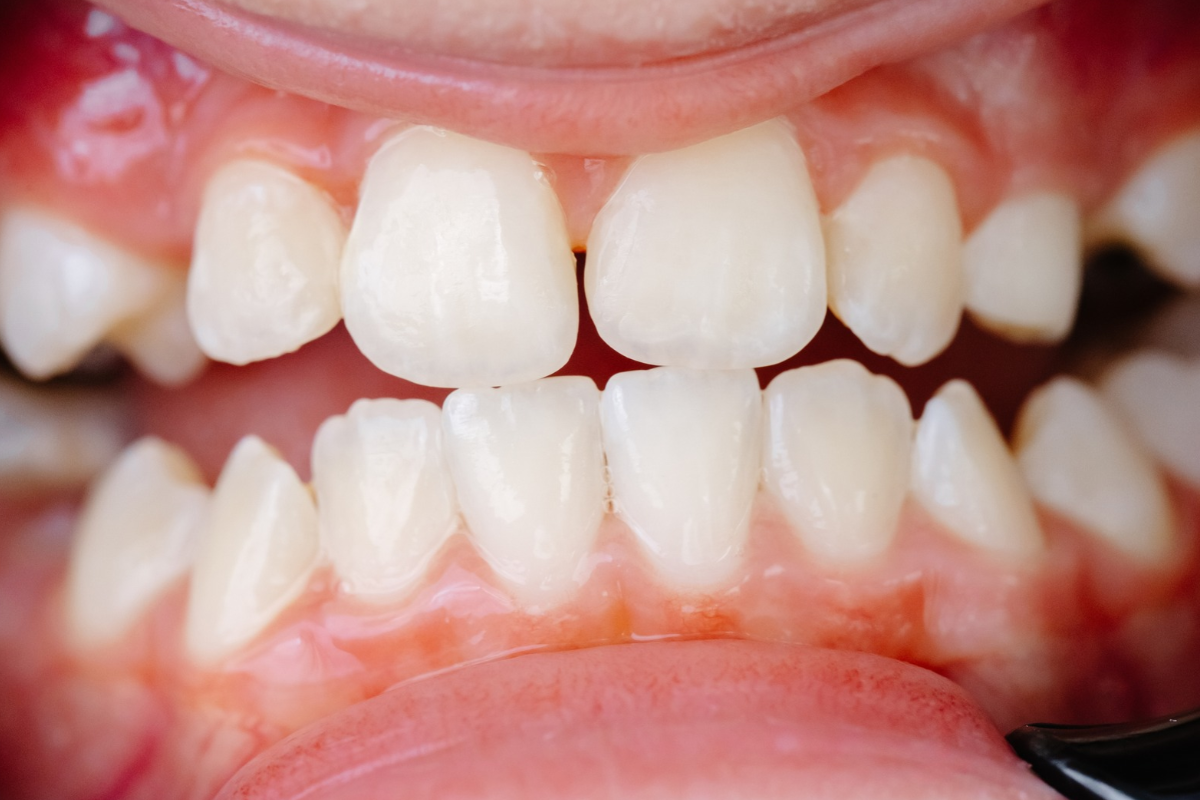
Healthy gums are typically firm and pink.
When they become irritated, you may notice:
- Redness.
- Puffiness.
- Tenderness.
- Increased sensitivity.
Inflamed gums may feel sore during brushing or while eating certain foods.
These symptoms often appear during the earliest stage of gum disease, known as gingivitis.
Fortunately, gingivitis is often manageable when treated promptly.
3. Persistent Bad Breath
Everyone experiences bad breath from time to time.
However, chronic bad breath that doesn’t improve with brushing or mouthwash may indicate bacteria trapped beneath the gumline.
This bacteria produces odors while continuing to irritate the surrounding tissues.
If bad breath persists despite good oral hygiene, it’s worth having your gums professionally evaluated.
4. Gums That Are Pulling Away from Your Teeth
Have your teeth started looking longer than they used to?
This may be a sign of gum recession.
As gum tissue pulls away from the teeth, pockets form where bacteria can collect.
Gum recession may also cause:
- Tooth sensitivity.
- Visible tooth roots.
- Changes in your smile.
- Increased risk of decay near the roots.
Early treatment may help slow further damage and protect your oral health.
5. Loose or Shifting Teeth
Your gums and jawbone work together to keep your teeth stable.
Advanced gum disease can gradually damage the structures supporting your teeth.
As this occurs, you may notice:
- Teeth feeling loose.
- Changes in your bite.
- Teeth shifting position.
- Difficulty chewing comfortably.
These symptoms should always be evaluated promptly by a dental professional.
6. Pain While Chewing
Gum disease isn’t always painful during its early stages.
As the condition progresses, however, eating may become uncomfortable.
Pain while chewing may result from:
- Inflamed gum tissue.
- Infection.
- Tooth mobility.
- Pressure around affected teeth.
Ignoring these symptoms may allow the disease to worsen over time.
7. Changes in the Way Your Gums Look or Feel
Sometimes the warning signs are subtle.
You may notice:
- Gums pulling away from the teeth.
- Spaces developing between teeth.
- Increased sensitivity.
- Gum tissue that feels softer than before.
- Areas that appear uneven.
Even small changes deserve attention because gum disease often progresses gradually.
Regular dental examinations make it easier to identify these concerns before they become more advanced.
Why Early Treatment Makes a Difference
The earlier gum disease is diagnosed, the easier it is to manage.
Professional treatment helps:
- Remove harmful bacteria.
- Reduce inflammation.
- Protect gum tissue.
- Preserve supporting bone.
- Lower the risk of tooth loss.
- Improve long-term oral health.
Waiting until symptoms become severe often leads to more extensive treatment.
Seeking care early gives your gums the best opportunity to recover and remain healthy.
What to Expect During a Gum Disease Evaluation
Many patients feel nervous because they aren’t sure what happens during a periodontal evaluation.
Our goal is to make the process comfortable and informative.
During your visit, we may:
- Review your medical and dental history.
- Examine your gums.
- Measure periodontal pockets.
- Take digital X-rays if needed.
- Evaluate bone support.
- Discuss personalized treatment recommendations.
Not every patient requires the same type of periodontal care. Your treatment plan is based on your individual oral health needs.
Personalized Gum Disease Treatment at Innovative Dental Specialists of McKinney
At Innovative Dental Specialists of McKinney, we believe healthy gums are the foundation of a healthy smile. Our team provides comprehensive periodontal evaluations and customized treatment plans designed to address gum disease at every stage.
We provide gum disease treatment, scaling and root planing, periodontal maintenance, and preventive care for patients throughout McKinney, Texas. Using advanced diagnostic techniques and a patient-centered approach, we focus on controlling infection, protecting your gums, and helping you maintain your oral health for years to come.
Whether you’ve noticed bleeding gums or have been referred for specialized periodontal care, we’re here to help you restore the health of your smile.
Frequently Asked Questions
Are bleeding gums always a sign of gum disease?
Not always, but frequent bleeding during brushing or flossing is one of the most common early signs of gingivitis or periodontal disease and should be evaluated.
Can gum disease be treated?
Yes. Treatment depends on the stage of the disease and may include professional cleanings, scaling and root planing, periodontal maintenance, and ongoing home care.
Is gum disease painful?
Early gum disease often causes little or no discomfort. That’s why routine dental visits are important for detecting problems before they become more advanced.
What happens if gum disease is left untreated?
Untreated gum disease can damage the gums and supporting bone, increasing the risk of loose teeth, tooth loss, and more complex dental treatment.
How can I reduce my risk of gum disease?
Brushing twice a day, flossing daily, scheduling regular dental visits, avoiding tobacco, and receiving professional cleanings all help support healthy gums.
Don’t Ignore the Early Warning Signs
Bleeding gums, persistent bad breath, swelling, or gum recession may seem minor at first, but they can be signs of an underlying periodontal problem that deserves professional attention. Recognizing these symptoms early gives you the best opportunity to protect your gums, preserve your natural teeth, and avoid more extensive treatment in the future.
If you’re looking for expert gum disease treatment McKinney, Innovative Dental Specialists of McKinney is here to help. We provide comprehensive periodontal care, personalized treatment plans, and preventive services designed to restore gum health and support a lifetime of healthy smiles.
Book Now to schedule your periodontal evaluation and take the first step toward healthier gums and a stronger smile.

New Patients Appointments Welcome!
