


Healthy gums are the foundation of a healthy smile, yet they’re often overlooked until problems arise. Many people focus on keeping their teeth white and cavity-free, but gum health plays an equally important role in overall oral wellness. When gums aren’t properly cared for, issues can develop quietly and progress over time.
Gum disease is one of the most common oral health concerns among adults, and the good news is that it’s largely preventable. With consistent daily habits, regular professional care, and early attention to warning signs, you can protect your gums and avoid long-term complications. Specialists at Innovative Dental Specialists of McKinney frequently emphasize prevention as the most effective approach to maintaining gum health.
Understanding How Gum Disease Develops
Gum disease typically begins with plaque buildup along the gumline. Plaque is a sticky film of bacteria that forms on teeth every day. If it isn’t removed through brushing and flossing, it hardens into tartar, which irritates the gums and triggers inflammation.
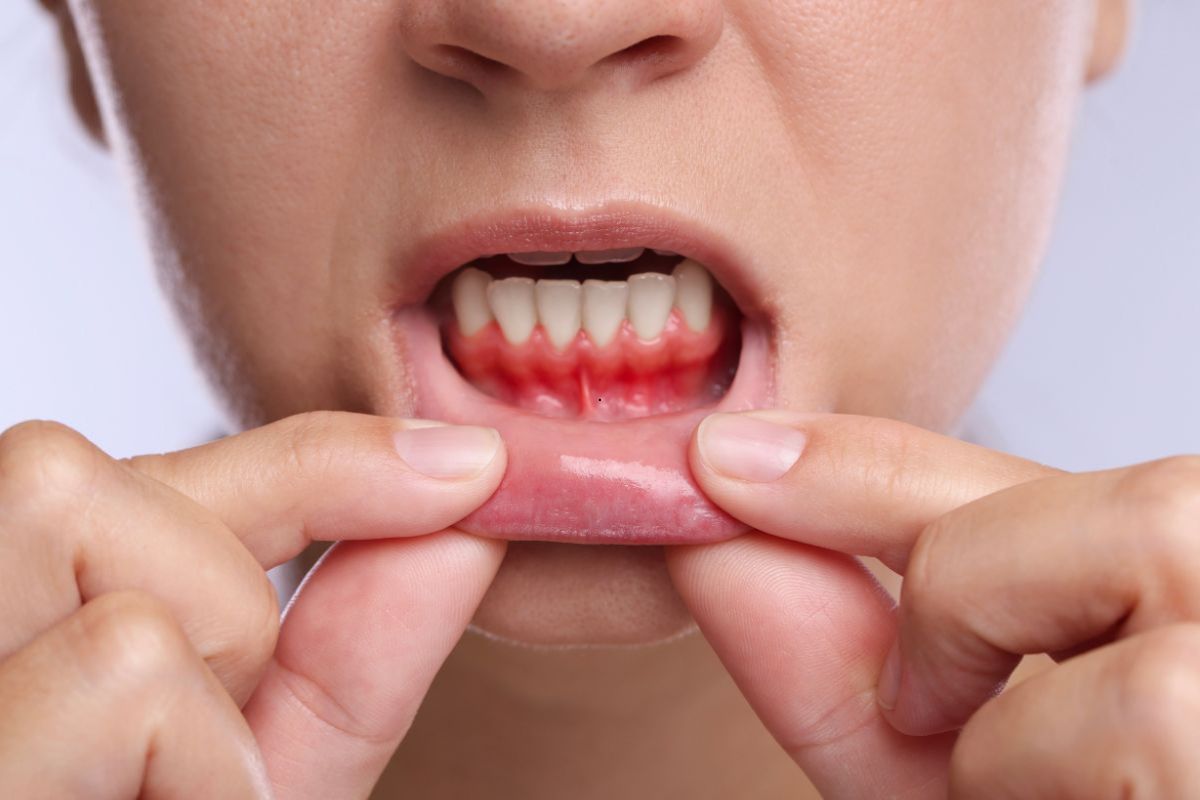
In its early stage, gums may appear red, swollen, or bleed during brushing. At this point, the condition is still reversible. If left untreated, however, inflammation can progress and affect the bone and tissues that support the teeth. This advanced stage can lead to gum recession, loose teeth, and even tooth loss.
Understanding this progression highlights why prevention and early care matter so much.
Daily Habits That Support Healthier Gums
Strong gum health starts with consistent daily care. Small habits practiced every day can make a significant difference over time.
Brush Thoroughly, Not Aggressively
Brushing twice a day removes plaque before it has a chance to irritate the gums. Use a soft-bristled toothbrush and gentle pressure to clean along the gumline without causing damage.
Don’t Skip Flossing
Flossing cleans areas your toothbrush can’t reach. Removing debris between teeth helps prevent bacteria from settling below the gumline, where it can cause inflammation.
Choose the Right Oral Care Products
Using toothpaste and mouthwash designed to support gum health can help reduce bacteria and maintain healthier tissues. Avoid harsh products that may irritate sensitive gums.
The Role of Professional Cleanings
Even with excellent home care, plaque can still build up in hard-to-reach areas. Professional cleanings remove tartar that brushing and flossing can’t eliminate.
Routine dental visits allow providers to spot early changes in gum health before symptoms become severe. For patients with higher-risk factors, such as a history of gum disease or certain medical conditions, more frequent cleanings may be recommended.
A Periodontist McKinney patients trust often focuses on identifying subtle signs of gum problems and creating personalized prevention plans.
Lifestyle Factors That Affect Gum Health
Daily habits outside of brushing and flossing also influence gum health more than many people realize.
- Smoking and tobacco use increase the risk of gum inflammation and slow healing
- Poor nutrition, especially low intake of vitamins, can weaken gum tissue
- Stress may affect immune response, making it harder for the body to fight infection
- Medical conditions like diabetes can increase susceptibility to gum problems
Addressing these factors supports not only oral health but also overall wellness.
Recognizing Early Warning Signs
Early detection is key to prevention. Paying attention to changes in your gums can help you seek care before issues progress.
Common warning signs include:
- Bleeding during brushing or flossing
- Persistent bad breath
- Red or swollen gums
- Gum tenderness or discomfort
- Receding gums or teeth appearing longer
If you notice any of these symptoms, a professional evaluation can help determine the cause and appropriate next steps.
Why Early Care Makes a Difference
When gum issues are addressed early, treatment is often simpler and more effective. Early-stage inflammation can often be managed with improved hygiene and professional cleanings alone.
More advanced cases may require specialized care to stop progression and protect supporting bone. This is why prevention-focused visits and timely referrals play such an important role in long-term oral health.
Building a Long-Term Prevention Plan
Preventing gum disease isn’t about perfection; it’s about consistency. A realistic routine that includes daily care, regular dental visits, and attention to lifestyle factors offers the best protection.
Dental specialists can tailor prevention strategies to individual risk factors, ensuring that care plans fit each patient’s needs and goals.
Conclusion
Healthy gums are essential to a healthy smile and overall well-being. Gum disease often develops quietly, but with the right habits and professional support, it’s largely preventable. Consistent oral hygiene, regular dental visits, and awareness of early signs can go a long way in protecting your gums for years to come.
Taking a proactive approach today helps avoid more complex dental concerns in the future and supports long-term oral health.
If you’re concerned about your gum health or want guidance on prevention, schedule a consultation with Innovative Dental Specialists of McKinney. A personalized evaluation can help you understand your risk factors and take simple, effective steps toward healthier gums.




New Patients Appointments Welcome!
