


Wisdom teeth are the last set of molars to appear, usually in your late teens or early twenties. For some, they come in without a problem. For others, they bring discomfort, swelling, and more serious dental issues. If you’ve noticed changes in the back of your mouth and are unsure if it’s your wisdom teeth, knowing the early signs can help you make informed decisions.
Let’s explore the key symptoms of wisdom teeth eruption and when it might be time to consider wisdom teeth removal, especially for residents in McKinney, TX.
What Are Wisdom Teeth?
Wisdom teeth are your third molars—located at the very back of your mouth. Most people have four wisdom teeth, though it’s possible to have fewer or even none at all. These teeth often don’t have enough space to emerge properly, which is why many dentists recommend removal before they cause issues.
Common Signs Your Wisdom Teeth Are Coming In
1. Jaw Pain or Pressure
As wisdom teeth start to push through the gums, they may put pressure on surrounding teeth and bone. This can lead to a dull ache in the jaw that worsens when chewing or opening your mouth wide.
2. Swollen or Tender Gums
Tenderness at the back of your mouth is a classic sign. You may notice red, inflamed gums or slight swelling behind your second molars. This inflammation can also lead to minor bleeding during brushing or flossing.
3. A Bad Taste or Odor in the Mouth
As wisdom teeth partially erupt, food particles and bacteria can become trapped under the gum flap, creating a bad taste or persistent bad breath. This could be an early sign of infection.
4. Headaches or Earaches
You may not immediately connect headaches or earaches with dental issues, but impacted wisdom teeth can radiate pressure to nearby nerves. If you’re experiencing frequent headaches without another clear cause, your wisdom teeth might be the reason.
5. Difficulty Opening Your Mouth
In more advanced cases, the swelling or pressure caused by erupting wisdom teeth can make it hard to fully open your mouth. This symptom often signals impaction, which means the teeth don’t have enough room to grow in correctly.
When to Consider Wisdom Teeth Removal
Just because your wisdom teeth are coming in doesn’t always mean they need to be removed. However, if you experience any of the following, wisdom teeth removal in McKinney might be the safest option:
- Consistent jaw pain or swelling
- Signs of infection (fever, pus, bad breath)
- Teeth shifting or crowding
- Cysts or damage visible on X-rays
- Difficulty cleaning around the area
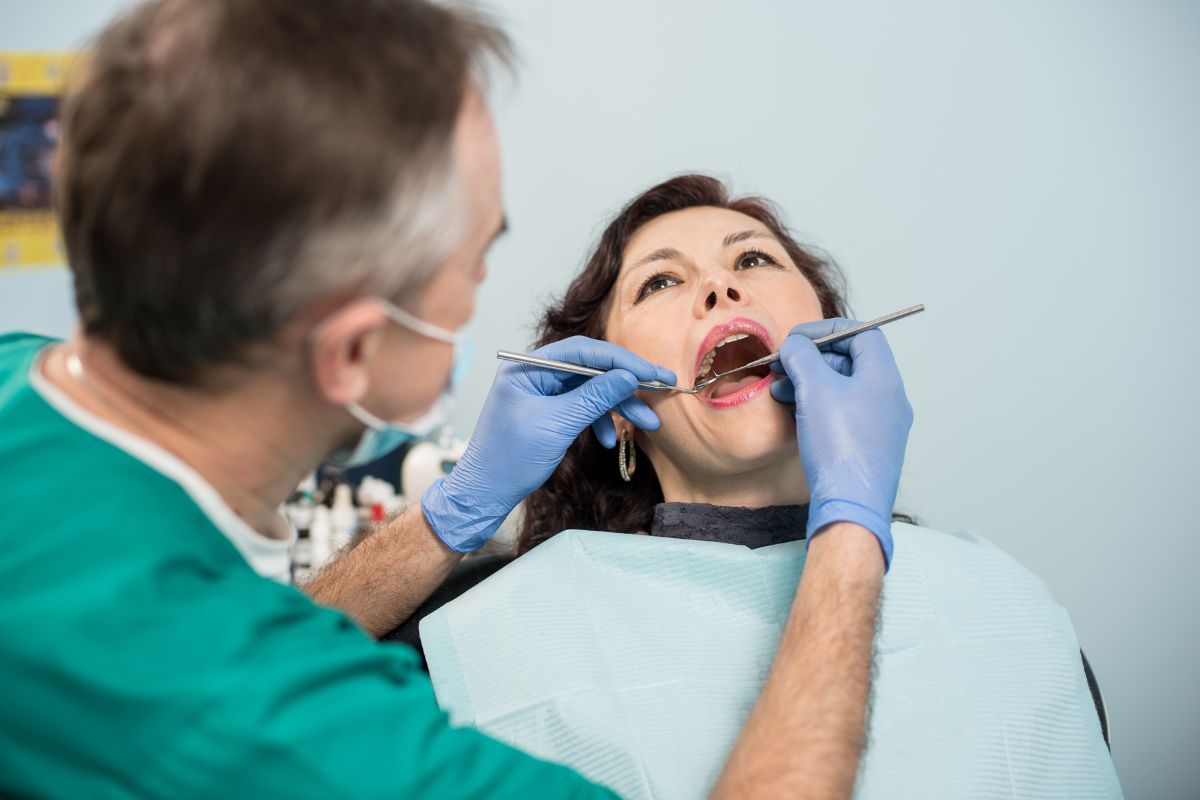
At Innovative Dental Specialists of McKinney, we evaluate each case individually. If your wisdom teeth are impacted or likely to cause future problems, proactive removal is usually recommended.
The Importance of Early Evaluation
Wisdom teeth are easier to remove and recover from at a younger age, typically before the roots fully develop. Regular dental checkups and X-rays help monitor their development. Early detection makes the process smoother and prevents long-term oral health issues.
Conclusion
Knowing the signs of wisdom teeth eruption allows you to take control of your oral health. While some people never experience a problem, others may need professional attention to avoid complications. Understanding the symptoms early can save you from discomfort—and from more serious dental concerns down the road.
If you’re noticing the signs of wisdom teeth coming in, don’t wait. Schedule a consultation with Innovative Dental Specialists of McKinney to assess your needs. Our experienced team offers trusted care for wisdom teeth removal in McKinney, helping you stay ahead of discomfort and keep your smile healthy for the long run.


New Patients Appointments Welcome!
