


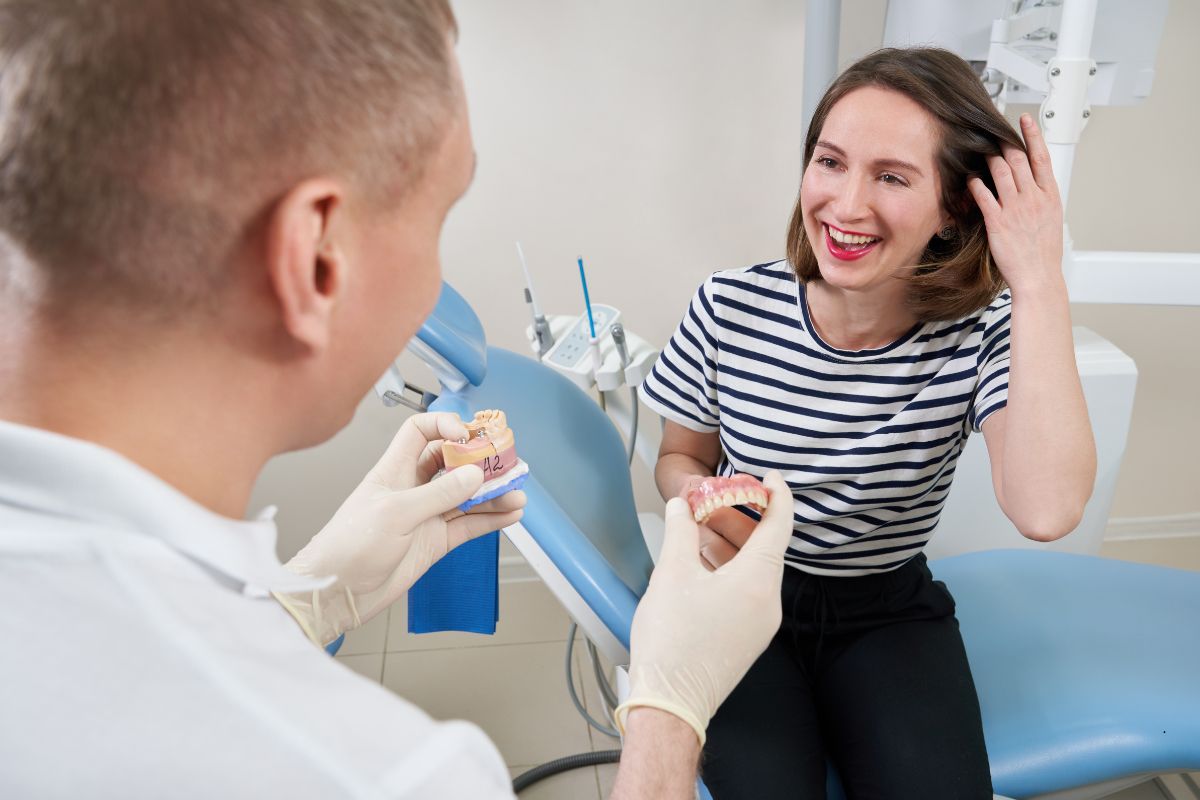
Dental implants offer a lasting solution for missing teeth, providing aesthetic and functional benefits. However, ensuring the successful healing and longevity of implants requires more than just excellent oral care practices. The foods you consume directly influence tissue repair, immune response, and inflammation control.
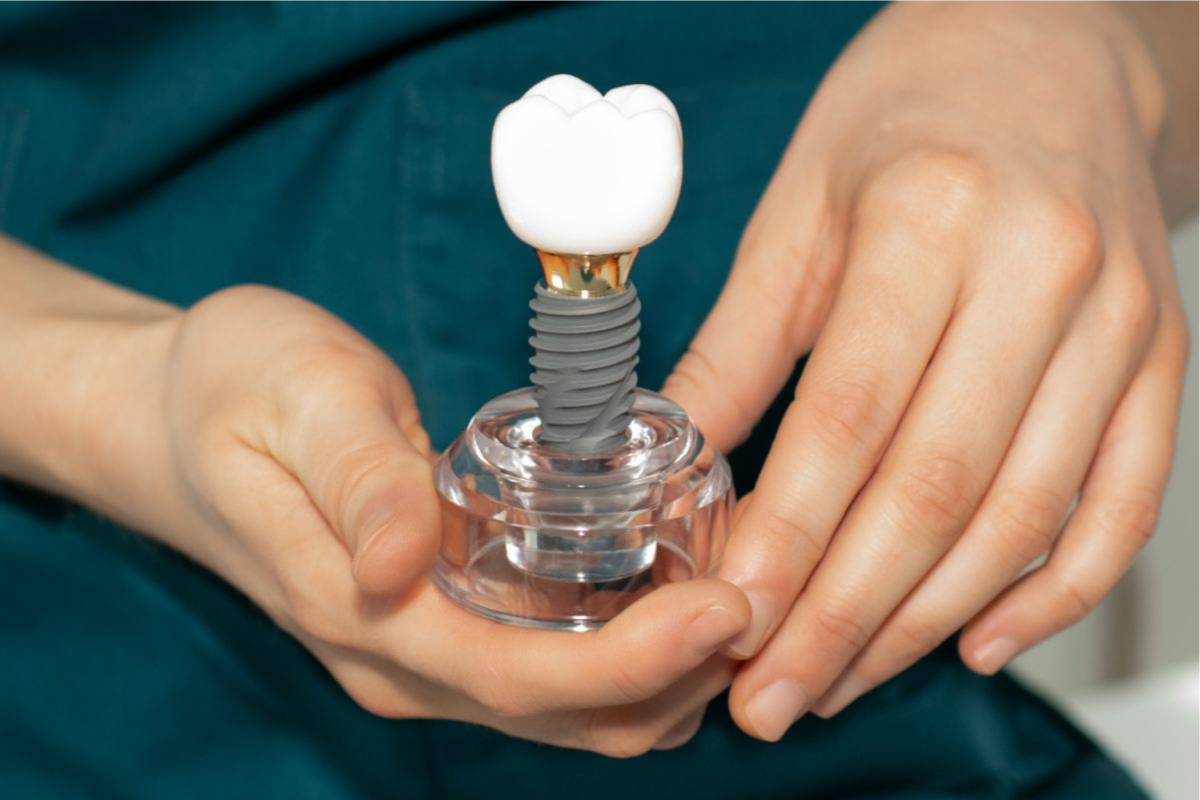
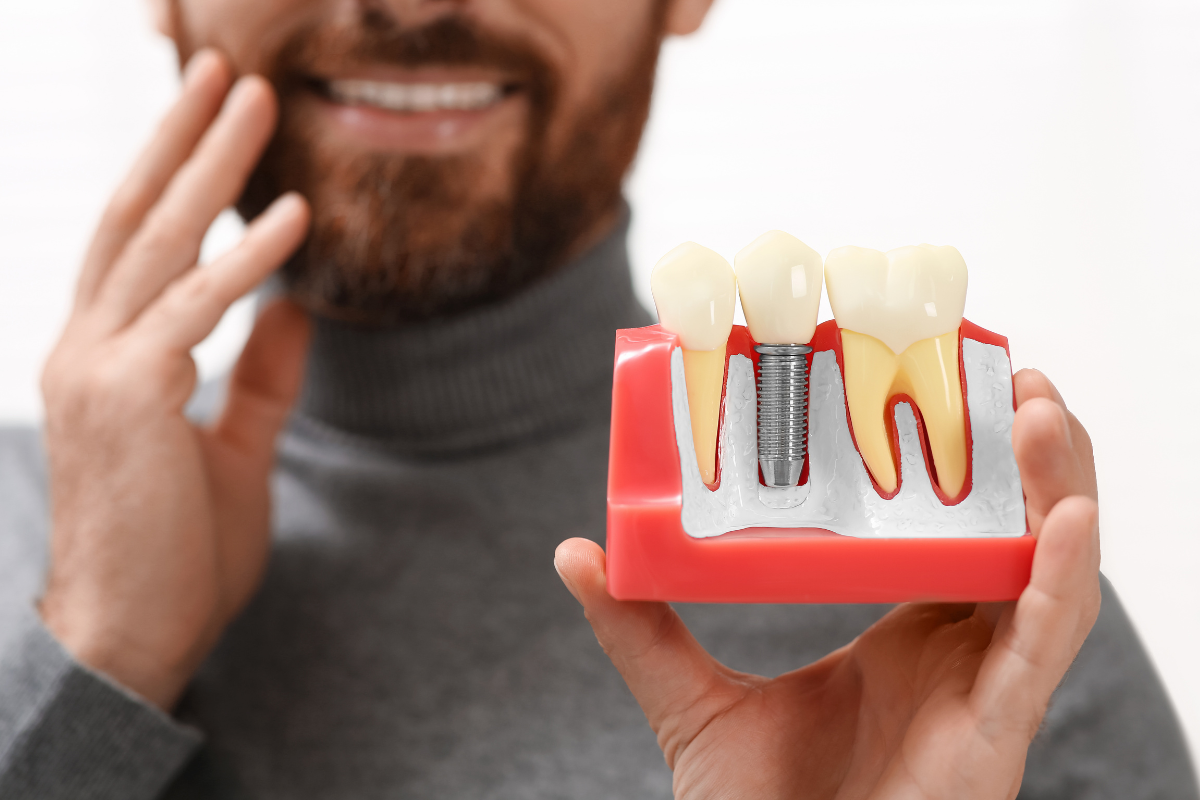
By making mindful dietary choices, you can positively impact the healing process and enhance the lifespan of your implants. To fully understand how this works, let’s explore the essentials of dental restorations. Find out how nutrition aids recovery and what foods should be prioritized for optimal healing. This guide provides essential insights into the recovery process for those considering an implant dentist.
Why Nutrition is Necessary in the Healing Process?
Nutrition is fundamental for successful implant healing and long-term health. Proper nutrients assist in wound healing, reduce inflammation, and improve immune function, helping the body accept and integrate the implant. Let’s take a closer look at some key nutrients essential for recovery:
Protein for Tissue Repair
Protein is a building block for tissue repair and is vital for recovering from implant surgery. It helps regenerate cells, contributing to faster and healthier healing of gum tissues around the implant. Sources of lean protein include fish, chicken, legumes, and eggs.
Calcium and Vitamin D for Bone Health
Strong bone support is critical for implant success. Calcium and vitamin D work together to enhance bone density and health, aiding in osseointegration. These nutrients support the fusion of the implant with the jawbone, ensuring long-term stability. Dairy products, leafy greens, and fortified orange juice are excellent sources.
Antioxidants for Immune Support
Antioxidants, including vitamins C and E, strengthen the immune system, which is essential in the healing phase. They protect cells from oxidative stress and infection, supporting a healthier and quicker recovery. Fresh fruits, vegetables, nuts, and seeds provide a rich source of antioxidants.
Omega-3 Fatty Acids for Reduced Inflammation
Omega-3 fatty acids are known for their anti-inflammatory effects, which help reduce post-surgery swelling and discomfort. By controlling inflammation, these healthy fats contribute to a smoother healing process. Sources include walnuts, flaxseeds, and fatty fish.
Zinc for Tissue Regeneration
Zinc is a mineral that supports tissue repair and regeneration, both essential for healing around implants. It also boosts immune function, minimizing the risk of infection. Zinc-rich foods include meat, shellfish, nuts, and whole grains.
Incorporating these nutrients into your diet aids in the recovery process, helping ensure a successful implant experience. Maintaining a well-rounded diet filled with these nutrients can prevent complications and support implant longevity.
Foods to Avoid During the Healing Process
Choosing the right foods to avoid is as important as selecting nutritious options when recovering from dental implant surgery. Certain foods can delay healing, increase the risk of infection, or even damage the implant itself. Here’s what to keep off your plate for optimal recovery:
Hard or Crunchy Foods
Hard and crunchy foods can exert undue pressure on the implant site, risking complications during early recovery. Foods like nuts, hard candy, and raw vegetables should be avoided to prevent irritation or accidental trauma to the healing area.
Sticky Foods
Sticky foods can get lodged around the implant site and are difficult to clean, increasing the risk of infection. Avoid foods such as caramel, chewy candies, and sticky pastries that could cling to surgical areas and hinder healing.
Sugary Foods
Sugar can promote bacterial growth, raising the risk of infection around the implant site. To minimize the potential for complications and inflammation, avoid sugary snacks, desserts, and sweetened beverages.
By avoiding these foods, you create an environment that allows for a safe, swift recovery, helping to promote long-term implant success. Instead, opt for soft, nutrient-rich foods that support healing while minimizing irritation or trauma to the implant site.
Nutrition is a powerful tool in implant recovery, influencing healing, inflammation, and longevity. By incorporating key nutrients and avoiding harmful foods, you can give your body the best chance to heal, ensuring both immediate and lasting benefits.
Ready to support your dental restoration journey? Consider scheduling a consultation for dental implants in McKinney to learn more. For personalized care and guidance, contact Innovative Dental Specialists of McKinney for expert advice on implant success.

New Patients Appointments Welcome!
