


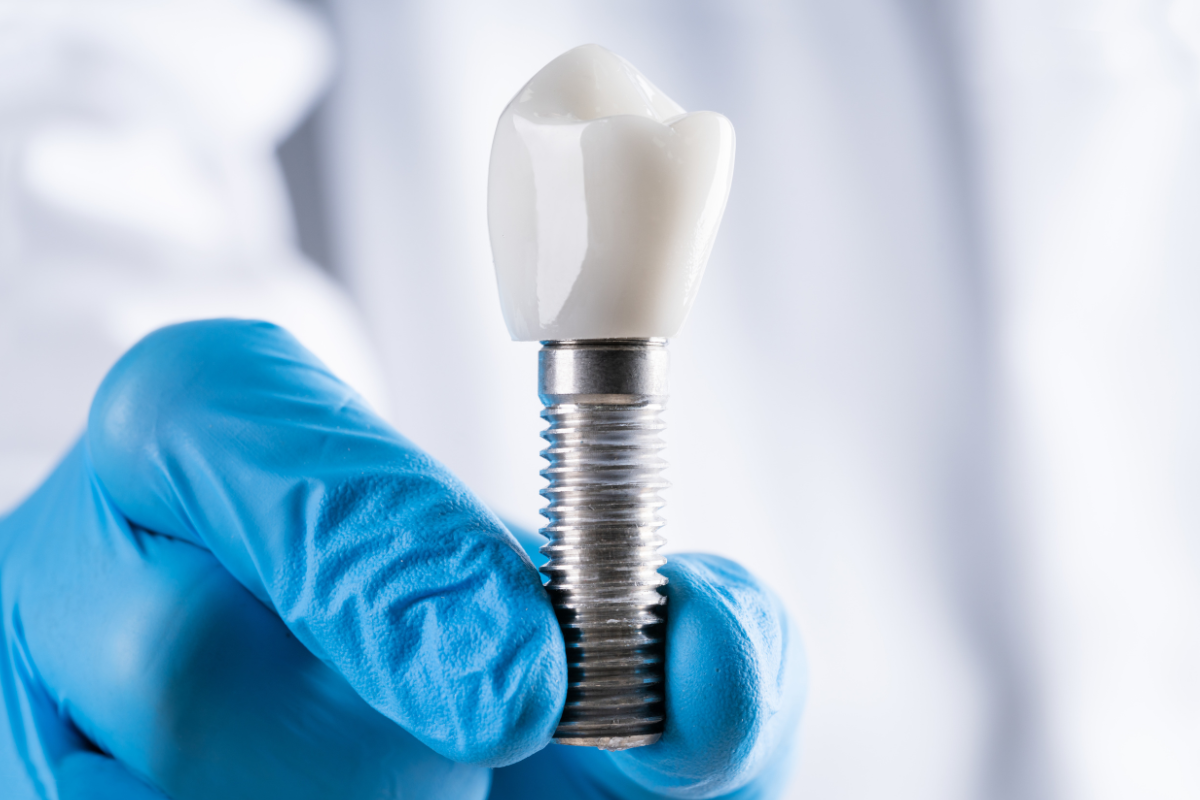
When a tooth can no longer be saved, one of the biggest questions is what happens next. Do you have to wait months after an extraction before replacing the tooth, or can an implant be placed right away?
In some cases, a dental implant can be placed during the same appointment as a tooth extraction. This approach is called immediate dental implant placement. Instead of removing the tooth and waiting for the extraction site to heal completely before placing an implant, the dentist removes the tooth and places the implant into the fresh socket when the site is suitable.
However, same-day implant placement is not appropriate for everyone. The condition of the bone and gums, the presence of infection, the location of the tooth, and whether the implant can be stabilized properly all influence the treatment plan.
For patients considering McKinney dental implants, understanding these factors can make it easier to know what to expect and why a dentist may recommend immediate placement or a staged approach.
What Is a Same-Day Dental Implant?
A same-day dental implant refers to placing the implant post into the jaw during the same appointment in which the damaged or non-restorable tooth is extracted.
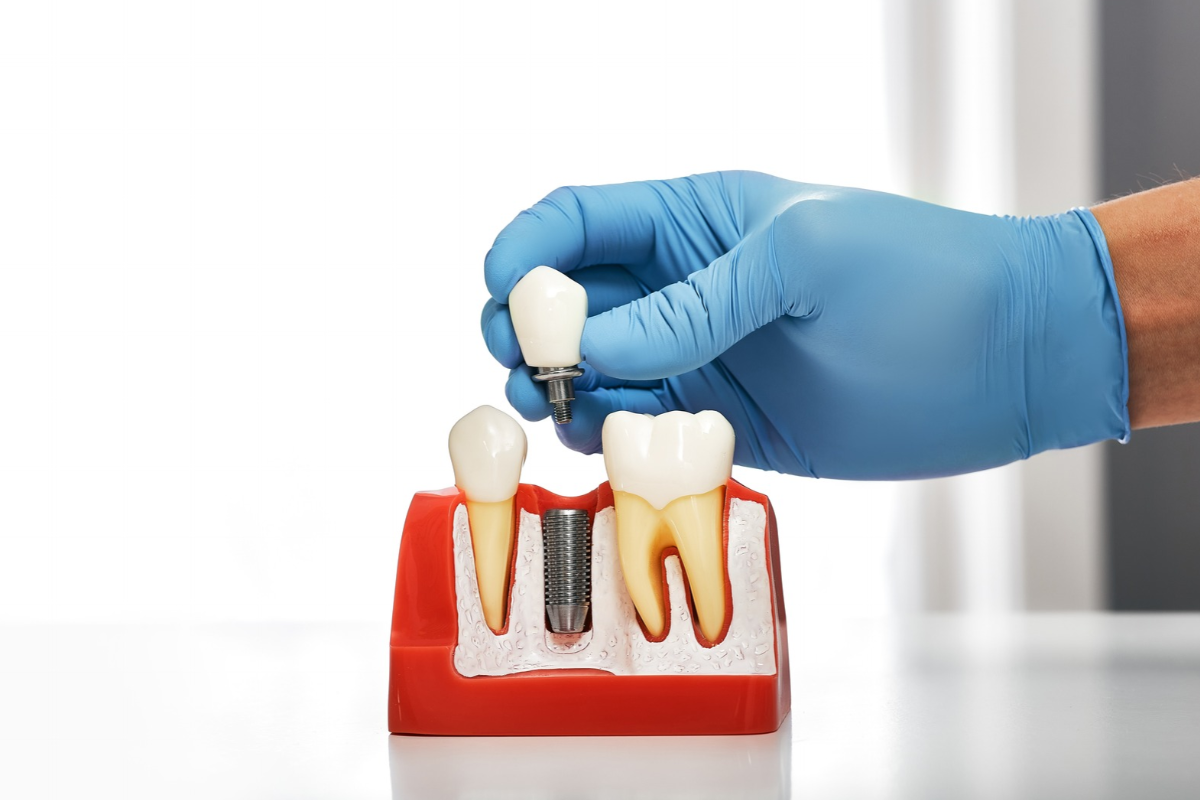
Normally, tooth replacement with an implant involves several stages:
- The damaged tooth is extracted.
- The extraction site heals.
- The implant is placed.
- The implant integrates with the surrounding bone.
- An abutment and permanent crown are placed.
With immediate implant placement, the extraction and implant-placement stages may be combined.
This can reduce the number of surgical appointments and allow the treatment process to begin immediately. However, same-day implant placement does not necessarily mean you receive your permanent replacement tooth that same day.
Depending on the case, a temporary restoration may be used while the implant heals. The permanent crown is generally placed after the implant has adequately integrated with the surrounding bone.
Who May Be a Candidate for Immediate Implant Placement?
The most important factor is not simply whether a tooth needs to be extracted. The extraction site must provide suitable conditions for stable implant placement.
A dental implant may be considered immediately after extraction when factors such as these are favorable:
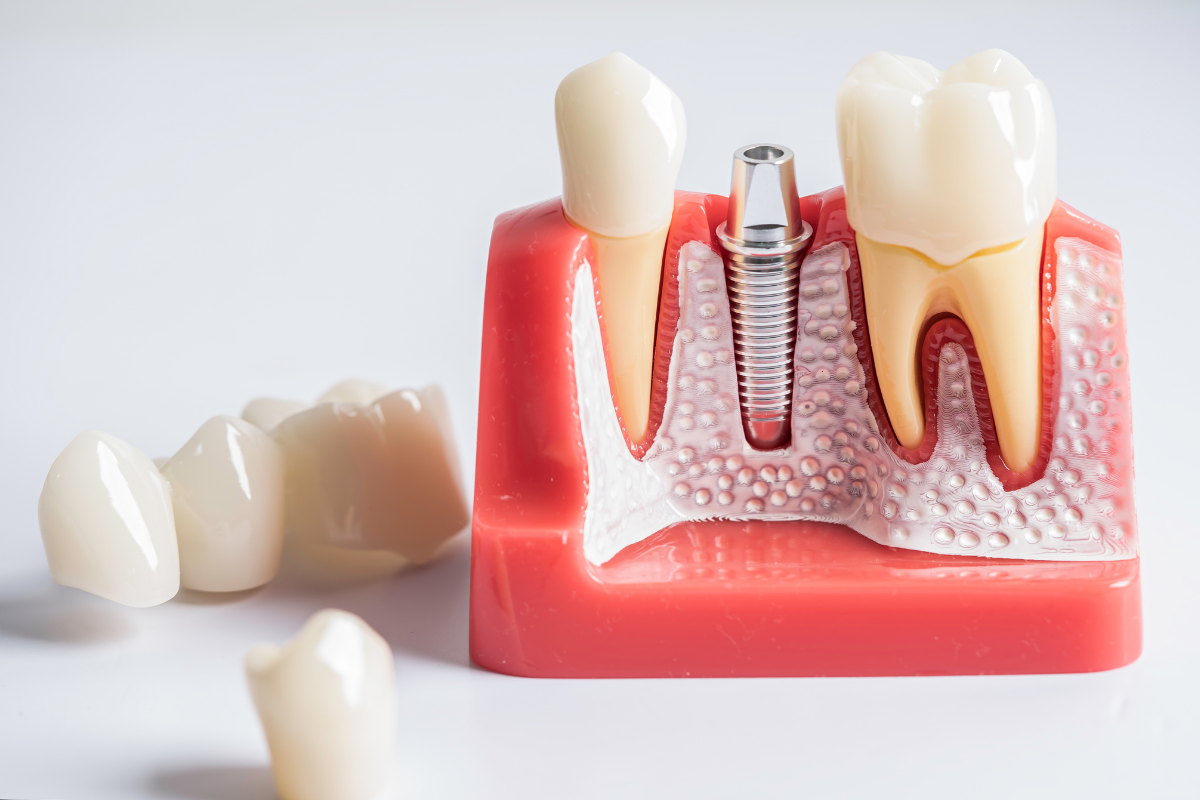
- Enough healthy bone is available to stabilize the implant.
- The extraction site has suitable anatomy.
- The surrounding gums and tissues are healthy enough for treatment.
- There is no uncontrolled infection affecting the implant site.
- The implant can achieve adequate initial stability.
- The patient’s overall oral health supports healing.
- The tooth can be removed without creating an unsuitable defect.
A comprehensive examination and appropriate imaging help determine whether immediate placement is realistic.
Local McKinney competitors are increasingly emphasizing 3D imaging and case-specific evaluation for immediate implants. MDRN Dental Studio, for example, states that immediate placement requires adequate bone quality, appropriate anatomy, and no active infection at the extraction site.
That distinction is important because not every tooth that needs extraction is automatically a candidate for a same-day implant.
When Might an Immediate Implant Not Be Recommended?
Sometimes waiting is the safer or more predictable option.
Active or Significant Infection
Infection is one of the major considerations when evaluating an extraction site.
A severely infected tooth does not automatically mean an implant can never be placed. However, the extent of the infection, the condition of the surrounding tissues, and the ability to establish stable implant support all matter.
If the site is not suitable, the dentist may recommend removing the tooth first, treating the underlying problem, and allowing the area to heal before implant placement.
This is one reason a thorough evaluation is important before promising a same-day implant.
Insufficient Bone Support
Dental implants require adequate bone support for stability. If the extraction leaves a large defect or the patient already has significant bone loss, placing an implant immediately may not be appropriate.
In those situations, bone grafting or another site-development procedure may be recommended.
Innovative Dental Specialists of McKinney already provides bone-grafting treatment designed to preserve or rebuild jawbone following tooth loss and prepare areas for future implant treatment.
Poor Gum Health
Healthy gum tissue plays an important role in implant treatment.
Patients with active periodontal disease or significant inflammation may need periodontal treatment before proceeding with implant placement. The goal is to create a healthier environment for the implant and surrounding tissues.
The existing Innovative Dental Specialists of McKinney candidacy guidance also identifies healthy gums and oral tissues as important considerations when evaluating implant treatment.
The Implant Cannot Be Stabilized Properly
Even when the tooth has been successfully removed, there may not be enough suitable bone to hold an implant securely at the time of surgery.
Initial implant stability is an important part of immediate-placement planning. If stable placement cannot be achieved, waiting and allowing the area to heal may provide a better foundation for later treatment.
Does the Tooth Have to Be Completely Healthy Before an Immediate Implant?
No. In fact, immediate implants are specifically considered when a tooth is no longer viable and needs to be removed.
The important question is why the tooth needs extraction and what condition the surrounding tissues are in.
For example, a tooth may require extraction because of:
- Severe structural damage
- Extensive decay
- A non-restorable fracture
- Certain failed restorations
- Advanced damage from trauma
But the condition of the bone and surrounding tissues still needs to be evaluated.
Innovative Dental Specialists of McKinney also emphasizes evaluating whether a severely compromised tooth can potentially be saved before moving directly to extraction and replacement.
That is an important part of responsible treatment planning: an implant should replace a tooth when extraction is appropriate, not simply because an implant is available as an option.
What Happens During Same-Day Extraction and Implant Placement?
The exact sequence depends on the tooth and the patient’s individual treatment plan, but the process may include several steps.
1. Examination and Imaging
Before treatment, the dentist evaluates the tooth, gums, bite, surrounding bone, and overall oral health.
Dental imaging can help determine:
- Bone volume
- Bone anatomy
- Position of neighboring structures
- Root shape and location
- Potential infection or bone defects
- Whether immediate implant placement is feasible
Three-dimensional imaging may be particularly useful when detailed assessment of the implant site is needed.
2. Tooth Extraction
The damaged tooth is carefully removed while preserving as much healthy bone and soft tissue as possible.
This is especially important when immediate implant placement is being considered because the condition of the extraction socket affects what can be done next.
3. Evaluation of the Extraction Site
After the tooth is removed, the site can be evaluated more closely.
The dentist determines whether the available bone and anatomy are suitable for immediate implant placement.
If the site does not provide appropriate support, the treatment may need to be modified.
4. Implant Placement
When the site is suitable, the implant post can be positioned within the extraction area.
The objective is to achieve appropriate positioning and initial stability while respecting the surrounding anatomy.
5. Temporary Restoration or Healing Period
Depending on implant stability, tooth location, bite forces, and the overall treatment plan, a temporary tooth may or may not be placed.
The implant then needs time to integrate with the surrounding bone through a process known as osseointegration.
6. Permanent Crown
Once healing and integration are sufficiently advanced, the permanent restoration can be completed.
This means that a “same-day implant” generally refers to same-day implant placement, not necessarily same-day completion of the entire treatment.
Does Same-Day Implant Placement Mean You Leave With a Permanent Tooth?
Not necessarily.
This is one of the biggest points patients should understand before choosing immediate implant treatment.
Some qualifying patients may receive a temporary restoration shortly after implant placement. Other patients may need to allow the implant to heal without a tooth attached to it, depending on stability, location, bite forces, and other clinical considerations.
The permanent crown is a separate part of the treatment.
Local implant providers sometimes market same-day treatment as a complete tooth replacement in one visit, but the actual treatment pathway can vary substantially between patients. Dream Family Dental, for example, describes cases where extraction, implant, abutment, and temporary crown may be completed during one visit, while also noting that some patients require additional procedures because of bone or oral-health concerns.
A personalized treatment plan is therefore more meaningful than a generic “one-day implant” promise.
What Are the Potential Benefits of Immediate Implant Placement?
When a patient is an appropriate candidate, immediate implant placement can offer several potential advantages.
Fewer Surgical Appointments
Combining extraction and implant placement can eliminate the need for a separate implant-placement surgery later.
A More Streamlined Treatment Timeline
Because implant placement begins immediately, the overall treatment pathway may be shorter than a fully staged approach in selected cases.
Immediate Start to Tooth Replacement
Instead of leaving the extraction site untreated for an extended period before implant placement, the implant process begins during the extraction appointment.
Preservation of the Treatment Site
Immediate placement may help support the extraction area and can be part of a treatment plan designed around preserving available bone and tissue.
However, these potential benefits depend on the individual case. Immediate placement should not be viewed as automatically better than delayed implant placement.
Immediate vs. Delayed Dental Implants
The choice generally comes down to what provides the most appropriate foundation for the implant.
| Immediate Implant | Delayed Implant |
| Implant placed during extraction | Tooth is extracted first |
| Treatment begins immediately | Site is allowed to heal first |
| May reduce surgical appointments | May be preferred when the site needs healing |
| Requires favorable anatomy | Can allow treatment of bone or tissue deficiencies first |
| Not appropriate for every patient | Can be planned after grafting or other treatment |
There is no universal “best” timing.
For one patient, placing the implant immediately may be reasonable. For another, waiting several weeks or months may provide a healthier and more stable site.
What If You Need a Bone Graft?
A bone graft does not necessarily mean dental implants are off the table.
In some situations, bone grafting is used to preserve the extraction socket or rebuild an area that does not have enough bone for implant support.
Innovative Dental Specialists of McKinney provides bone-grafting treatment for patients who need additional jawbone support for implant treatment. The practice’s existing bone-grafting information specifically discusses socket preservation following extraction as well as rebuilding areas affected by bone loss.
The important question is whether the graft can be performed at the same time as implant placement or whether the site needs to heal before the implant is placed. That decision depends on the size and location of the defect, available bone, implant stability, and other clinical factors.
Is Immediate Implant Placement Right for You?
If you have been told that a tooth needs to be removed, it is worth asking about your replacement options before the extraction whenever possible.
Important questions include:
- Is my tooth definitely beyond repair?
- Am I a candidate for immediate implant placement?
- Do I have enough bone for an implant?
- Is there an infection at the extraction site?
- Would a bone graft or socket preservation be recommended?
- Could I receive a temporary tooth?
- When would the permanent crown be placed?
- Would waiting provide a better treatment outcome?
- What will the complete treatment process involve?
These questions can help you understand why a particular timeline is recommended rather than simply choosing treatment based on speed.
Why a Personalized Implant Evaluation Matters in McKinney
Immediate dental implants can be an excellent option for appropriately selected patients, but the decision requires more than looking at whether a tooth needs to be extracted.
At Innovative Dental Specialists of McKinney, our team evaluates the tooth, surrounding tissues, jawbone, and overall oral health when developing an implant treatment plan. Our services include dental implants and bone-grafting procedures, allowing treatment to be planned around the condition of the individual site rather than using a one-size-fits-all approach.
For patients seeking dental implants in McKinney, the goal is not simply to place an implant as quickly as possible. The goal is to determine the treatment approach that provides an appropriate foundation for the replacement tooth and supports long-term oral health.
Frequently Asked Questions
Can a dental implant be placed immediately after a tooth extraction?
Yes, immediate implant placement is possible for some patients. The extraction site must have suitable bone and tissue conditions, and the implant must be capable of achieving adequate stability.
Is immediate implant placement better than waiting?
Not necessarily. Immediate placement can reduce treatment stages for appropriate candidates, but waiting may be recommended when infection, bone loss, gum problems, or other factors make immediate placement less suitable.
Can an infected tooth receive a same-day dental implant?
It depends on the extent and location of the infection and the condition of the surrounding tissues. Some infected extraction sites may require treatment and healing before implant placement.
Will I get a permanent crown on the same day as my implant?
Not always. Same-day implant placement refers to placing the implant during the extraction appointment. A temporary restoration may be used in some cases, while the permanent crown is typically completed after adequate healing and implant integration.
How do I know if I qualify for an immediate dental implant?
A dental examination and appropriate imaging are needed to evaluate your bone, gums, extraction site, bite, and overall oral health. Your dentist can then determine whether immediate placement or a staged approach is more appropriate.
Conclusion
A dental implant can sometimes be placed on the same day as a tooth extraction, but immediate placement is not a universal treatment option. The condition of the extraction site, available bone, gum health, infection status, implant stability, and overall treatment needs all influence the decision.
For some patients, combining extraction and implant placement can streamline treatment. For others, allowing the area to heal first or completing bone grafting or other preparation may provide a more appropriate foundation.
If you have a tooth that may need to be extracted and are considering replacement with a dental implant, Innovative Dental Specialists of McKinney can evaluate your individual situation and explain your options. Our team provides personalized implant and bone-grafting care in McKinney, TX, with treatment planning based on your oral health and long-term needs.
Schedule a consultation with Innovative Dental Specialists of McKinney to find out whether immediate dental implant placement may be appropriate for you.

New Patients Appointments Welcome!
