


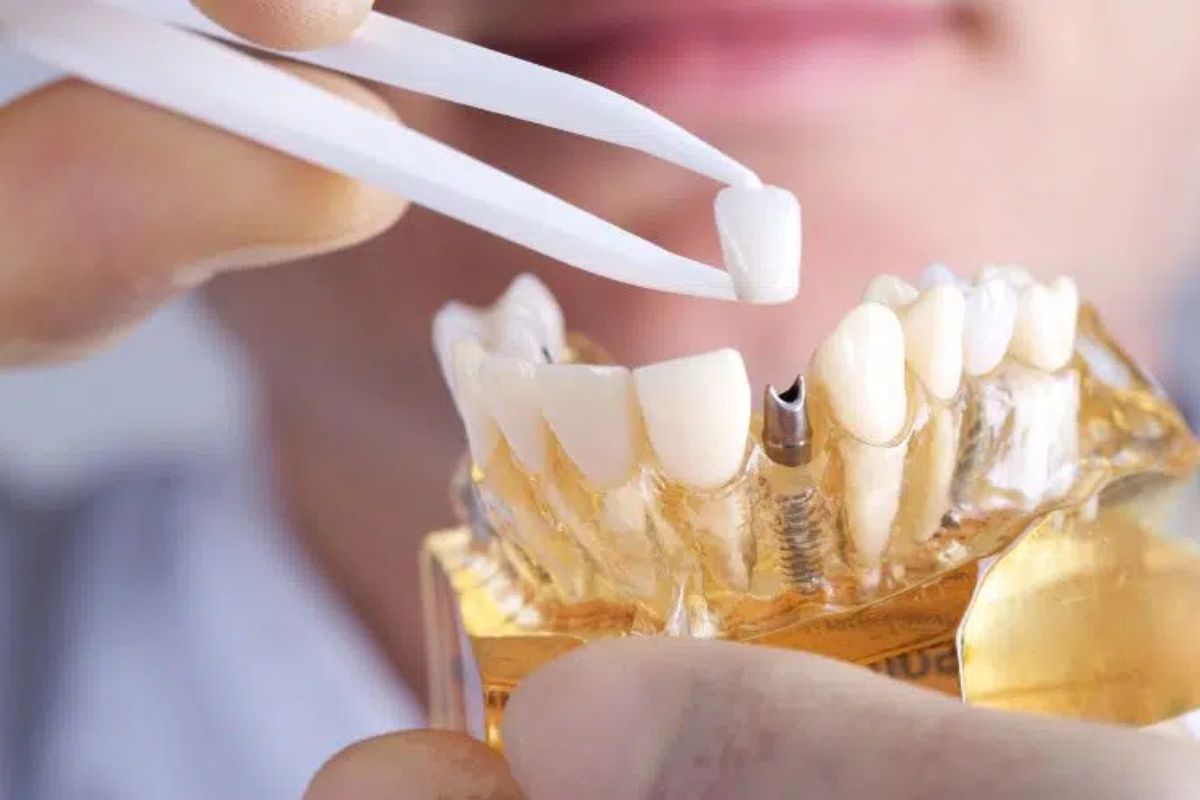
Tooth replacement is a big decision, and one of the most common questions patients ask is how long dental implants truly last. While they’re widely known for durability and stability, their lifespan depends on several important factors—many of which are within a patient’s control.
This guide explains what makes implants last, what can shorten their lifespan, and how patients can protect their results over time. For those considering dental implants in McKinney, understanding longevity helps set realistic expectations and supports informed decision-making.
What Are Dental Implants Made Of?
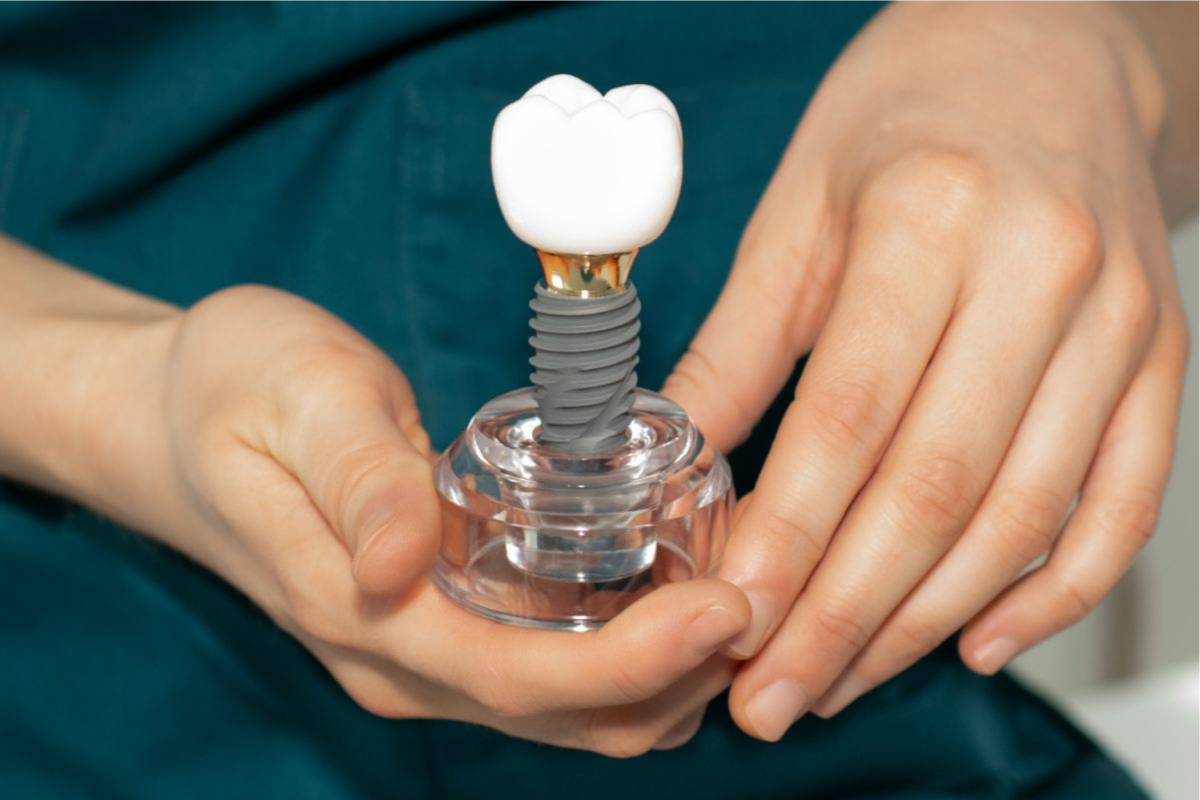
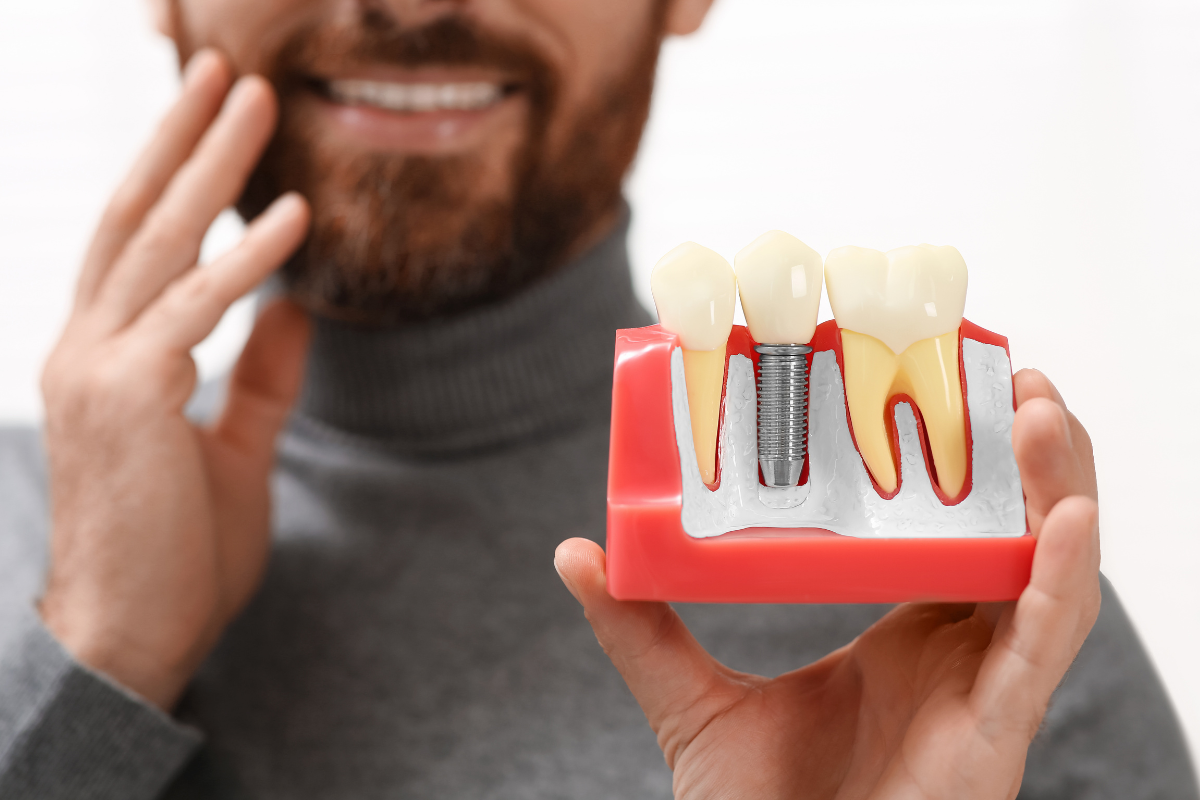
Dental implants consist of three main parts:
- A titanium post placed in the jawbone
- A connector piece called an abutment
- A crown or restoration that looks like a natural tooth
Titanium is biocompatible, meaning it bonds well with bone through a process called osseointegration. This strong bond is a major reason implants are considered one of the most reliable tooth replacement options available.
Average Lifespan of Dental Implants
With proper placement and care, the implant post itself can last 20 years or longer, and in many cases, a lifetime. The crown attached to the implant typically lasts 10 to 15 years before it may need replacement due to normal wear.
Patients seeking Mckinney dental implants often find that long-term success depends less on the materials and more on daily habits and professional follow-up.
Factors That Affect Implant Longevity
Oral Hygiene Habits
Consistent brushing, flossing, and routine dental visits are essential. While implants don’t decay, the surrounding gum tissue and bone can still develop infection if plaque buildup isn’t controlled.
Gum and Bone Health
Healthy gums and adequate bone density provide the foundation for long-term implant stability. Conditions like gum disease can compromise support if left untreated.
Bite Force and Teeth Grinding
Excessive pressure from clenching or grinding can wear down restorations or place stress on the implant. Night guards are often recommended for patients with grinding habits.
Smoking and Tobacco Use
Smoking restricts blood flow and slows healing, increasing the risk of implant complications. Studies consistently show higher failure rates among smokers.
Overall Health
Conditions such as uncontrolled diabetes or immune disorders can affect healing and long-term success. A full health history helps providers plan appropriately.
Are Dental Implants Permanent?
The implant post is designed to be permanent, but “permanent” doesn’t mean maintenance-free. The crown, which handles daily chewing, may need replacement over time due to wear.
Patients who choose dental implants Mckinney providers offer are often advised to think of implants like natural teeth—strong, reliable, but dependent on consistent care.
How to Make Dental Implants Last Longer
Maintain Excellent Oral Hygiene
Daily brushing and flossing help protect the gums around the implant. Specialized tools like interdental brushes or water flossers can improve cleaning around restorations.
Schedule Regular Dental Visits
Routine exams allow early detection of inflammation or bite changes that could affect implant health. Professional cleanings remove buildup that home care can’t.
Protect Against Damage
Avoid chewing ice, hard candy, or non-food items. If you play contact sports, a mouthguard can help prevent injury.
Address Issues Early
Discomfort, swelling, or looseness should never be ignored. Early treatment can often prevent more serious complications.
What Causes Dental Implants to Fail?
Although implant success rates exceed 95%, failures can occur. Common causes include:
- Infection around the implant (peri-implantitis)
- Insufficient bone support
- Poor oral hygiene
- Excessive bite force
Most failures are preventable with proper planning and follow-up care.
Are Dental Implants Worth the Investment?
When compared to other tooth replacement options, implants often provide the longest lifespan and the most natural function. While the initial cost may be higher, their durability and stability can make them cost-effective over time.
Patients exploring dental implants in McKinney frequently choose this option because it supports chewing comfort, speech clarity, and jawbone health.
Long-Term Expectations for Patients
Implants are designed to integrate seamlessly into daily life. After healing, most patients report that their implants feel just like natural teeth. There’s no special diet required long term—just thoughtful habits and consistent care.
Choosing experienced providers and following recommended maintenance routines are key to enjoying lasting results.
Conclusion
Dental implants are one of the most durable and reliable solutions for replacing missing teeth. While the implant post itself can last decades or longer, overall longevity depends on oral hygiene, lifestyle choices, and regular dental care. With proper attention, many patients enjoy stable, comfortable results for years to come.
Understanding what affects implant lifespan empowers patients to take an active role in protecting their oral health and investment.
If you’re considering tooth replacement or have questions about implant longevity, schedule a consultation with Innovative Dental Specialists of McKinney in McKinney, TX. Their experienced team can help you understand your options and create a care plan designed for long-term success.


New Patients Appointments Welcome!
