


Introduction
A complete, healthy smile plays a vital role in both confidence and overall well-being. Missing teeth can affect more than just appearance; they can interfere with chewing, speaking clearly, and even maintaining proper oral health. Over time, untreated tooth loss may also lead to jawbone deterioration and changes in facial structure.
While traditional solutions like dentures and bridges have been used for years, they often come with limitations in comfort, stability, and longevity. Today, dental implants offer a modern, reliable alternative that closely replicates the look and function of natural teeth.
For patients seeking a permanent and natural-looking solution, McKinney dental implants provide advanced restorative options tailored to individual needs. At McKinney Dental Specialists, patients benefit from comprehensive implant care using modern techniques designed for long-term success.
Why Patients Consider Dental Implants
Tooth loss can impact daily life in many ways. Patients may avoid certain foods, feel self-conscious about smiling, or experience difficulty speaking clearly. These challenges often lead individuals to explore more stable and lasting tooth replacement options.
One of the main reasons patients choose McKinney dental implants is their ability to function like natural teeth. Unlike removable dentures, implants are securely anchored into the jawbone, eliminating slipping or shifting while eating or speaking.
Durability is another key factor. Dental implants are designed to be a long-term solution. With proper care, they can last decades, making them a worthwhile investment compared to temporary alternatives.
Aesthetic benefits also play a significant role. Implants are custom-crafted to match surrounding teeth in color, size, and shape, creating a seamless and natural appearance.
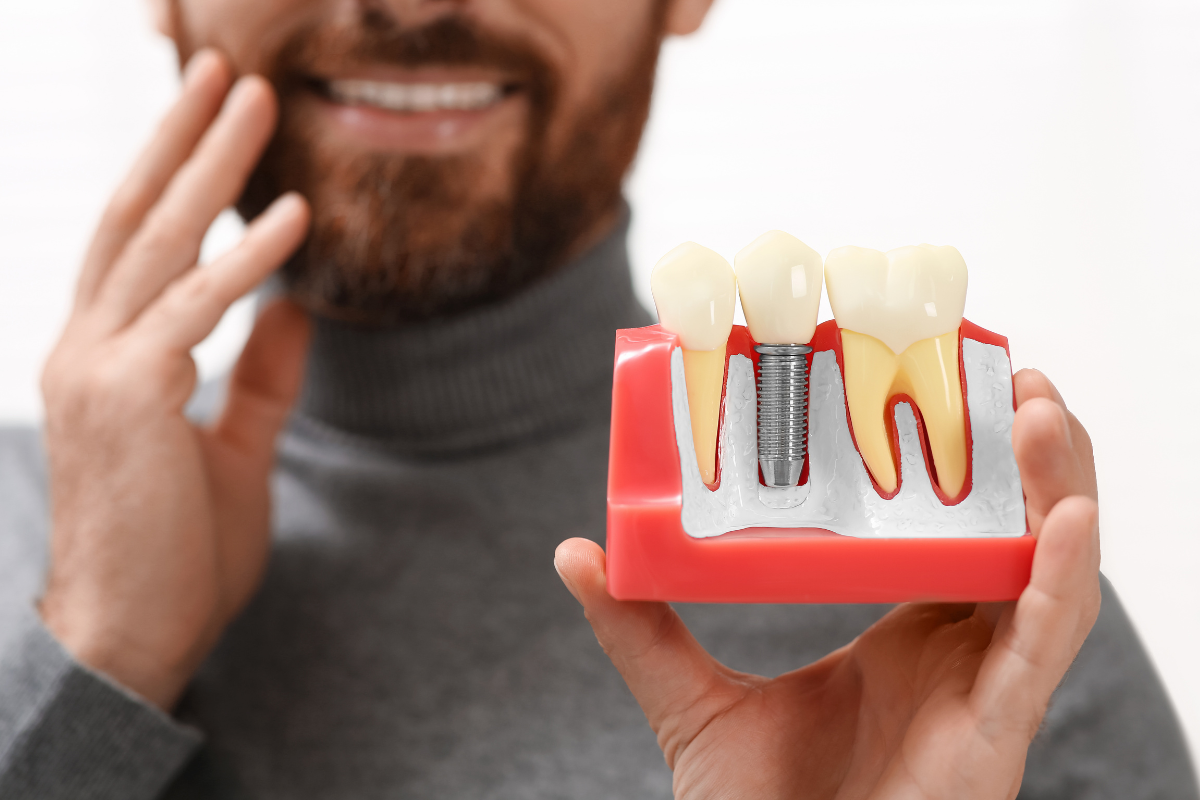
Additionally, implants help preserve jawbone health. When a tooth is lost, the underlying bone begins to shrink due to a lack of stimulation. Dental implants replicate the function of natural tooth roots, helping maintain bone density and facial structure.
Patients also appreciate the convenience. Implants do not require adhesives or removal for cleaning. They can be maintained with regular brushing, flossing, and routine dental visits, just like natural teeth.
How Dental Implants Work
Initial Consultation
The process begins with a thorough examination, including digital X-rays or 3D imaging. The dentist evaluates bone density, gum health, and overall oral condition to determine if implants are suitable. A personalized treatment plan is then created.
Implant Placement
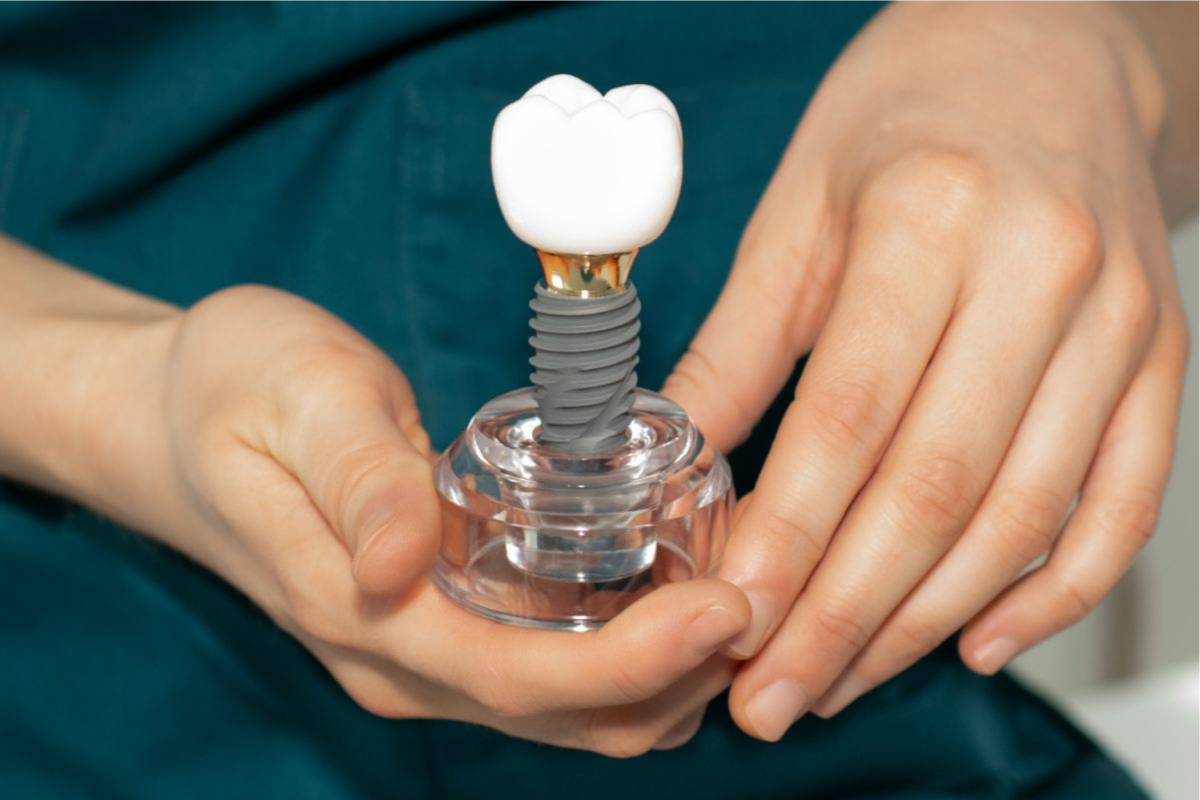
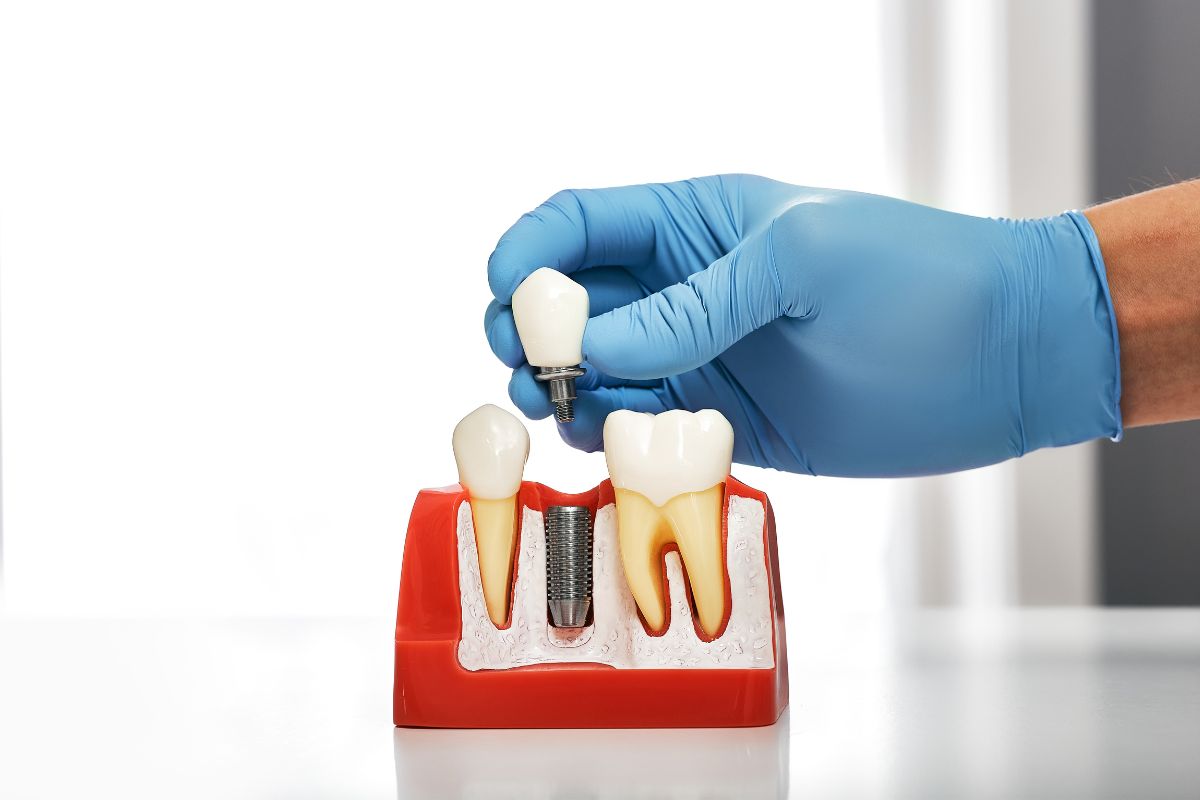
During the surgical phase, a small titanium post is placed into the jawbone. This post acts as an artificial tooth root. Over the next few months, it integrates with the bone through a process called osseointegration, providing a stable foundation.
Healing and Integration
This phase is critical for long-term success. As the implant fuses with the bone, it becomes strong enough to support a replacement tooth. Temporary restorations may be used during this time if needed.
Abutment and Crown Placement
Once healing is complete, an abutment is attached to the implant. A custom-designed crown is then placed on top, restoring the tooth’s appearance and function.
Aftercare Guidance
Patients receive detailed instructions on caring for their implants. Regular checkups and proper oral hygiene are essential to maintaining long-term results.
Each stage of the process is carefully managed, ensuring that McKinney dental implants provide safe, predictable, and lasting outcomes.
Types of Dental Implants Available
Modern implant dentistry offers several options depending on patient needs:
- Single Tooth Implants
Ideal for replacing one missing tooth without affecting adjacent teeth. - Implant-Supported Bridges
Used when multiple teeth are missing in a row, providing more stability than traditional bridges. - Full Arch Implants (All-on-4/All-on-6)
A complete set of teeth can be restored using a limited number of implants, offering a fixed alternative to dentures. - Mini Dental Implants
Smaller in size and sometimes used in cases with limited bone structure.
A consultation helps determine which type of McKinney dental implants is best suited for each patient.
Benefits of Dental Implants
- Natural Look and Feel
Designed to blend seamlessly with your natural teeth. - Improved Chewing and Speech
Restores full functionality without slipping or discomfort. - Long-Term Solution
With proper care, implants can last decades. - Bone Preservation
Prevents bone loss and maintains facial structure. - Enhanced Confidence
Helps patients feel comfortable smiling and interacting socially. - No Damage to Adjacent Teeth
Unlike bridges, implants do not rely on surrounding teeth for support. - Low Maintenance
Easy to care for with standard oral hygiene routines.
These advantages make McKinney dental implants one of the most advanced and reliable solutions in modern dentistry.
Who Is a Good Candidate for Dental Implants?
Dental implants are suitable for many individuals, but certain factors influence eligibility.
Ideal candidates typically:
- Have one or more missing teeth
- Maintain good oral hygiene habits
- Have healthy gums free of active disease
- Possess adequate jawbone density
However, patients with bone loss may still qualify with additional procedures such as bone grafting.
Some conditions require careful evaluation, including:
- Gum disease
- Chronic illnesses like diabetes
- Smoking, which can affect healing
Even if you’ve been told you’re not a candidate in the past, advancements in McKinney dental implants techniques may provide new options.
Recovery and What to Expect
After implant placement, mild discomfort, swelling, or tenderness is normal for a few days. Most patients can return to normal activities quickly.
Healing time varies depending on the complexity of the procedure, but the full integration process typically takes a few months. During this time, following your dentist’s instructions is crucial for successful outcomes.
Patients are encouraged to:
- Maintain good oral hygiene
- Avoid hard or sticky foods during healing
- Attend follow-up appointments
Proper care during recovery ensures the long-term success of your implants.
Common Questions About Dental Implants
Are dental implants safe?
Yes, dental implants are a well-established and safe treatment when performed by an experienced dental professional.
How long do dental implants last?
With proper care, implants can last decades, making them one of the most durable tooth replacement options.
Is the procedure painful?
The procedure is typically performed under local anesthesia, and most patients report minimal discomfort.
How long does the entire process take?
The full process can take several months, depending on healing time and whether additional procedures are required.
Are dental implants worth it?
For many patients, the long-term benefits, durability, and improved quality of life make implants a valuable investment.
Conclusion
Dental implants offer a long-lasting, natural-looking solution for replacing missing teeth and restoring oral health. With their durability, functionality, and aesthetic appeal, they continue to be a preferred choice for patients seeking a permanent solution.
For those considering McKinney dental implants, choosing a trusted and experienced provider is essential. At McKinney Dental Specialists, personalized treatment plans and advanced technology ensure each patient receives the highest standard of care.
If you’re ready to restore your smile and regain confidence, scheduling a consultation is the first step toward a healthier, more complete smile.


New Patients Appointments Welcome!
