


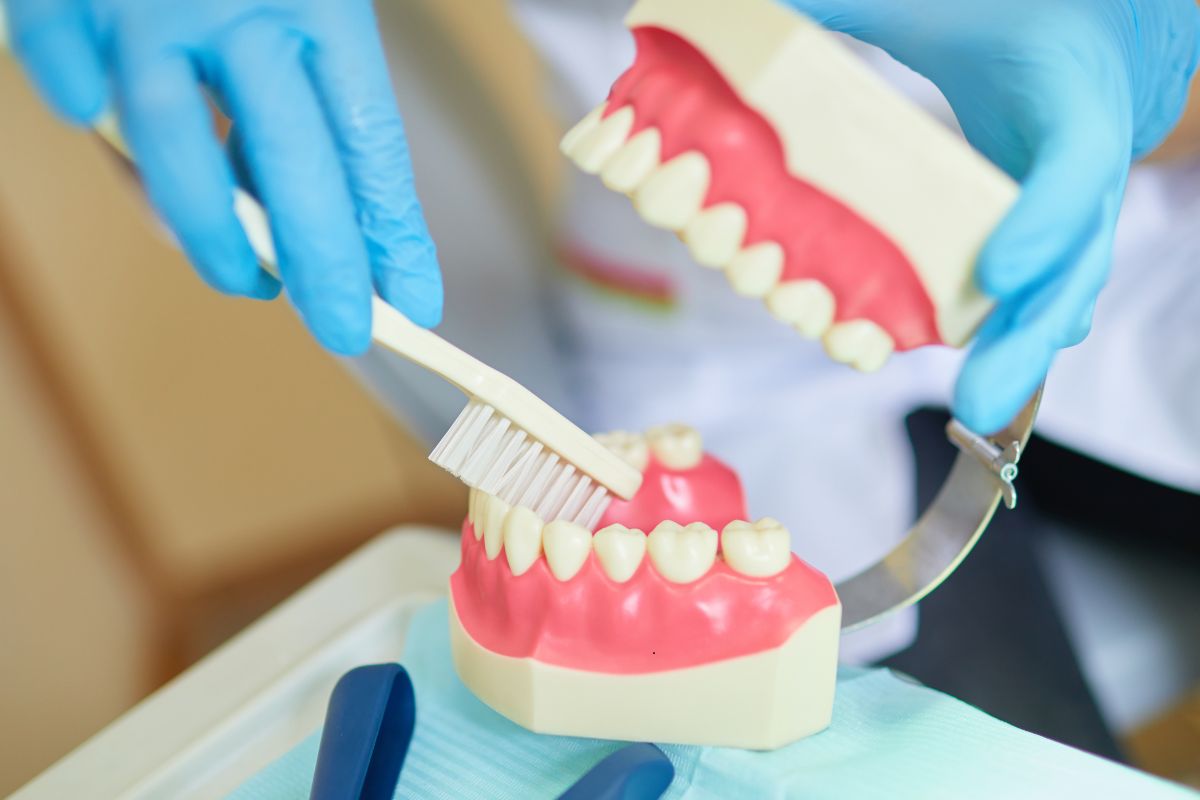
Your toothbrush is one of the most important tools for maintaining good oral health. It helps remove food particles, plaque, and bacteria that can cause cavities, gum disease, and bad breath. But not all toothbrushes are created equal, and how you use and care for your toothbrush can significantly impact your oral health. This blog will explore how your toothbrush affects your smile and share tips to ensure it works effectively.
The Role of Your Toothbrush in Oral Health
Your toothbrush serves as the first line of defense against plaque and bacteria that build up on your teeth and gums daily. Regular brushing helps:
- Prevent tooth decay by removing food debris.
- Protect gums from diseases like gingivitis and periodontitis.
- Maintain fresh breath by reducing bacteria.
- Promote overall oral health, which is linked to your general health.
Choosing the right toothbrush and using it correctly are crucial for achieving these benefits.
Choosing the Right Toothbrush
1. Manual vs. Electric Toothbrushes
Both manual and electric toothbrushes can clean effectively if used properly. The choice often depends on personal preference, but there are a few factors to consider:
- Manual Toothbrushes: Affordable and widely available, they require good technique to ensure effective cleaning.
- Electric Toothbrushes: These are easier to use, especially for those with limited mobility, and often include features like timers to help you brush for the recommended two minutes.
2. Bristle Type
The bristles on your toothbrush can greatly affect your oral health. Most dental professionals recommend soft-bristled brushes as they are gentle on your gums and enamel while still effectively removing plaque. Hard bristles can cause gum irritation and enamel wear over time.
3. Toothbrush Head Size
Choose a toothbrush with a head size that fits comfortably in your mouth and can reach all areas, including the back molars. A smaller head is often more effective for precise cleaning, especially for people with smaller mouths.
How to Use Your Toothbrush Properly
Even the best toothbrush won’t be effective if it’s not used correctly. Follow these tips to maximize its benefits:
- Brush Twice a Day: Brush your teeth in the morning and before bed for at least two minutes each time.
- Use the Right Technique: Hold your toothbrush at a 45-degree angle to your gums and use gentle, circular motions. Avoid brushing too hard, as it can damage your gums and enamel.
- Don’t Forget Your Tongue: Bacteria can accumulate on your tongue, contributing to bad breath and other oral health issues. Gently brush your tongue or use a tongue scraper.
Caring for Your Toothbrush
A clean and well-maintained toothbrush is essential for effective oral hygiene. Here’s how to care for your toothbrush:
- Replace It Regularly: Dentists recommend replacing your toothbrush every three to four months or sooner if the bristles become frayed. A worn-out toothbrush won’t clean as effectively.
- Store It Upright: Keep your toothbrush upright and let it air dry. Avoid storing it in closed containers, as this can encourage bacterial growth.
- Keep It Clean: Rinse your toothbrush thoroughly after each use to remove toothpaste and debris.
Common Toothbrush Mistakes to Avoid
To ensure your toothbrush works effectively, avoid these common mistakes:
- Using the Same Brush for Too Long: An old toothbrush can harbor bacteria and won’t clean as well as a new one.
- Brushing Too Hard: Vigorous brushing can cause gum recession and enamel erosion.
- Skipping Hard-to-Reach Areas: Pay extra attention to the back teeth and along the gum line, as these areas are often missed.
When to Consult a Dentist
While proper toothbrush use is crucial, regular dental visits are equally important for maintaining oral health. A Dentist can provide professional cleanings and check-ups to address any issues you may miss during your routine brushing. They can also recommend the best toothbrush and techniques for your specific needs.
If you notice signs like persistent bad breath, bleeding gums, or sensitivity, it’s time to schedule an appointment with your dentist. These could indicate underlying oral health problems that need professional attention.
Final Thoughts
Your toothbrush plays a vital role in your oral health, but its effectiveness depends on choosing the right one, using it correctly, and replacing it regularly. By combining good brushing habits with regular visits to your Dentist in McKinney at Innovative Dental Specialists of McKinney, you can maintain a healthy and confident smile for years to come.
Take the time to assess your toothbrush and brushing routine today—your teeth and gums will thank you!


New Patients Appointments Welcome!
