



What starts as mild tooth sensitivity can quickly escalate into sharp, throbbing pain that makes everyday tasks like chewing unbearable. Many people hope the discomfort will fade, but untreated infections rarely improve on their own.
If left unchecked, the pain can worsen, leading to swelling, gum tenderness, and even visible tooth discoloration.
Early intervention is key to saving your tooth and preventing more complex procedures. If you’re experiencing these symptoms, consulting an endodontist in McKinney can provide relief and preserve your natural tooth. At Innovative Dental Specialists of McKinney in McKinney, advanced root canal treatment can eliminate infection, relieve pain, and, whenever possible, preserve the natural tooth.
Keep reading to discover how modern root canal care can help you find lasting comfort and protect your oral health.
How To Know You Have An Emerging Tooth Infection?
Oral infections often begin quietly before symptoms become more noticeable. Recognizing early warning signs can help patients seek treatment before the condition worsens.
One of the most common indicators is persistent tooth pain that doesn’t disappear. The discomfort may feel sharp or throbbing and can intensify when biting or applying pressure to the tooth.
Another common symptom is prolonged sensitivity to hot or cold foods and drinks. While temporary sensitivity can occur with minor enamel wear, lingering discomfort often signals that the tooth’s inner pulp may be affected.
Swelling or tenderness in the gums near a specific tooth may also suggest infection. In some cases, patients notice a small, pimple-like bump on the gum, which may indicate an abscess.
Tooth discoloration can also appear. When the inner tissue becomes damaged or infected, the tooth may gradually darken compared to surrounding teeth.
These symptoms should not be ignored, as early treatment can prevent infection from spreading deeper into the jawbone or nearby teeth.
How Does Endodontic Therapy Protect The Natural Tooth?
An endodontist in McKinney focuses on removing infection from inside the tooth while preserving the remaining healthy structure. Understanding the process can help patients feel more comfortable about the procedure.
Detailed Examination And Diagnosis
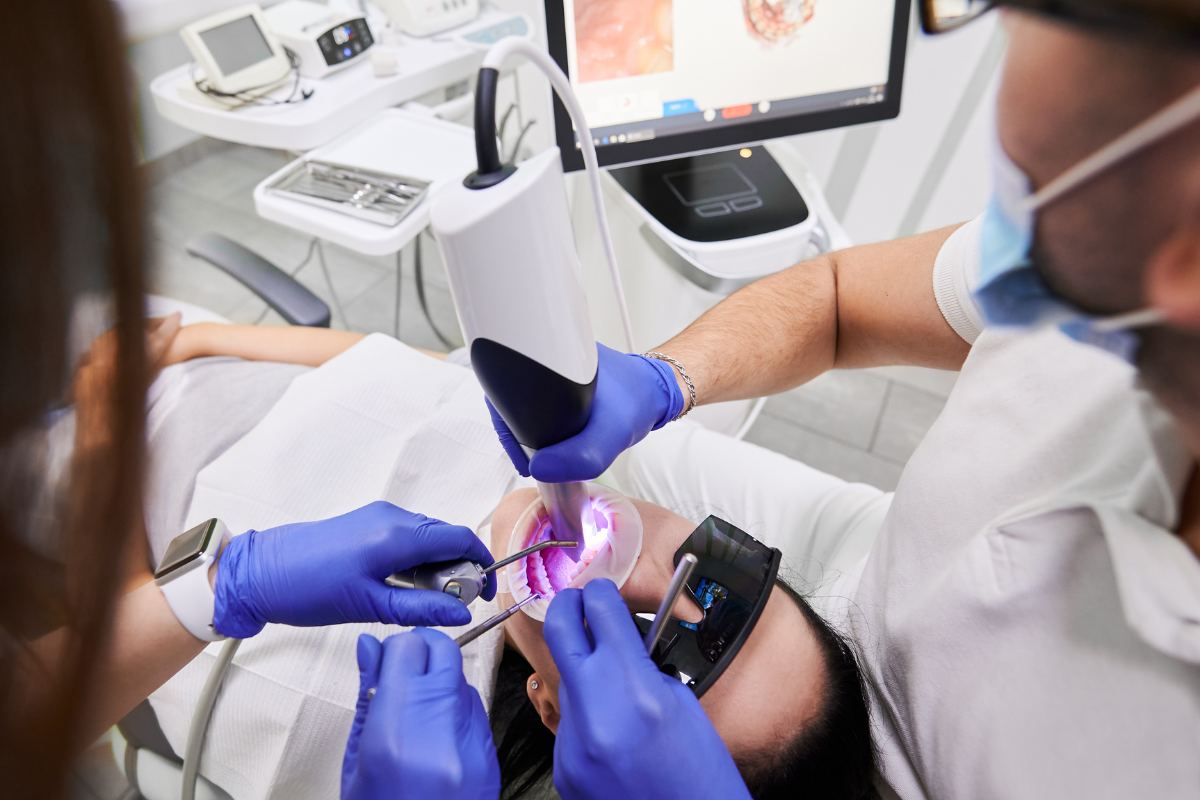
The first step involves evaluating the affected tooth through clinical examination and dental imaging. X-rays allow the endodontist to identify infection inside the root canals and assess the surrounding bone. This information helps determine whether pulp therapy is the most appropriate solution.
Ensuring Patient Comfort
Before treatment begins, the area around the tooth is numbed using local anesthesia. Modern anesthetic techniques allow the procedure to be completed comfortably, often with minimal sensation. A protective dental dam is placed around the tooth to keep the treatment area clean and free from bacteria.
Removing the Infected Pulp
Using specialized instruments, the endodontist carefully removes the infected or damaged pulp from inside the tooth. This step eliminates the source of pain and prevents bacteria from spreading further.
Cleaning And Sealing The Root Canals
After the infected tissue is removed, the root canals are cleaned and shaped to prepare them for filling. A biocompatible material is then placed inside the canals to seal them and prevent future infection.
Restoring The Tooth’s Strength
In many cases, a dental crown is placed on the treated tooth to restore its strength and function. The crown protects the tooth and allows it to withstand normal chewing forces again. With proper restoration, the treated tooth can continue functioning just like a natural tooth.
Why Saving The Natural Tooth Is Important?
Whenever possible, preserving a natural tooth is usually the preferred approach in dentistry. Nerve therapy in McKinney provides several long-term advantages for oral health.
Pain Relief
By removing infected tissue, the procedure eliminates the source of discomfort and inflammation.
Prevention of Infection Spread
Treating the infected tooth protects surrounding teeth, gums, and jawbone from further damage.
Maintaining Natural Bite Alignment
Keeping the natural tooth helps maintain proper chewing function and jaw balance.
Natural Appearance
After restoration with a crown, the treated tooth blends seamlessly with the surrounding teeth.
Long-Term Durability
With proper care and regular dental visits, a tooth that has undergone root canal treatment in McKinney can last many years.
Preserving natural teeth also helps patients avoid the need for more extensive restorative procedures in the future.
Supporting Recovery And Long-Term Oral Health
After an endodontic procedure, most patients return to their normal routines quickly. However, following a few basic care guidelines can help ensure a smooth recovery and protect the treated tooth. Maintaining daily brushing and flossing habits remains essential. Keeping the surrounding gums and teeth healthy helps prevent future infections.
Regular dental checkups also play an important role. Routine visits allow the dental team to monitor the treated tooth and confirm that healing is progressing properly.
Patients are typically advised to avoid chewing extremely hard foods with the treated tooth until the final crown or restoration is placed. These simple steps can help extend the life of the treated tooth and support overall oral health.
Frequently Asked Questions
Is root canal therapy painful?
Many patients are surprised to learn that modern pulp therapy is planned to relieve pain rather than cause it. With effective anesthesia and advanced techniques, most patients feel little to no discomfort during treatment.
How long does the procedure usually take?
Endodontic surgery is often completed in one or two appointments, depending on the complexity of the tooth and the number of root canals involved.
Can a root canal save my tooth permanently?
In many cases, yes. When combined with proper restoration and routine dental care, a treated tooth can remain functional for decades.
What happens if a tooth infection is left untreated?
Untreated infections can spread to surrounding bone and tissues, potentially leading to abscesses, severe pain, or tooth loss. Early treatment helps prevent these complications.
Advanced Endodontic Care In McKinney
Choosing a specialist can make a significant difference when treating tooth infections. McKinney endodontists receive additional training focused specifically on diagnosing and treating problems within the tooth’s root system.
At Innovative Dental Specialists of McKinney, the team uses modern imaging technology and precise treatment techniques to ensure accurate diagnosis and effective care. This approach allows the team to treat infections while preserving as much natural tooth structure as possible. Patients benefit from personalized treatment planning, clear communication, and a comfortable clinical environment designed to reduce anxiety during procedures.
This patient-centered approach helps ensure that every stage of treatment focuses on both comfort and long-term dental health.
For patients experiencing these symptoms, seeking care from our endodontist in McKinney can provide the specialized treatment. At our dental office, modern root canal therapy is performed with precision, advanced technology, and a focus on patient well-being. Timely treatment not only relieves discomfort but also protects the long-term health and function of your smile. So, instead of waiting, if you have noticed any signs of tooth infection, schedule an appointment now!


New Patients Appointments Welcome!
