


Wisdom teeth removal is a common dental procedure, especially for those in their late teens or early twenties. While the surgery is simple, recovery can be challenging—especially when getting a good night’s sleep.
Discomfort, swelling, and pain may make resting difficult, but the proper techniques can help ensure a smoother healing process. In this blog, we’ll explain when wisdom teeth extraction is necessary and share expert tips on how to sleep comfortably during recovery.
When Is Wisdom Teeth Removal Necessary?
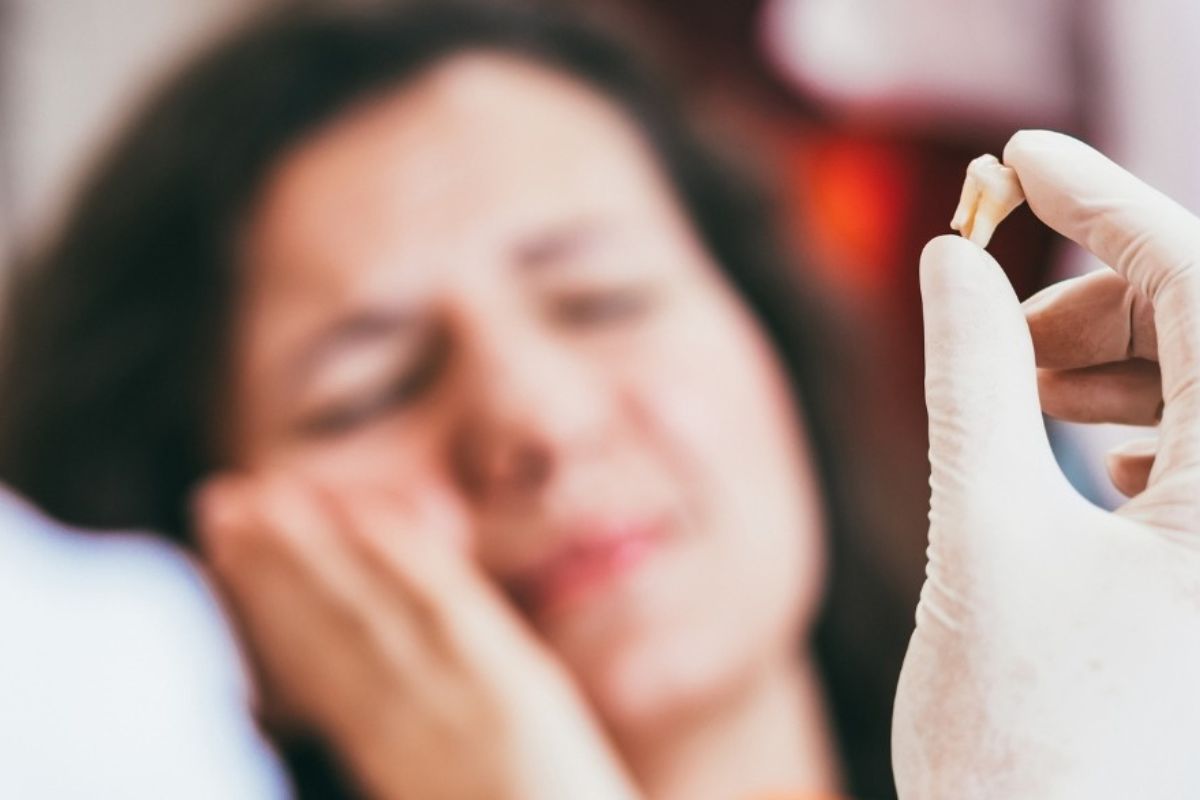
The wisdom tooth, the third molar, is the last tooth located at the back of your mouth. Most people’s wisdom teeth emerge between ages 17 and 25. However, not everyone needs to have them removed. In some of the cases, these molars come in without any issue. But for many, they cause problems like-
- Impaction– When the 3rd molars lack space to emerge or develop properly.
- Infection– These teeth partially emerge and make pockets where the bacteria can grow, leading to infections.
- Damage to Nearby Teeth- Crowding or pressure from wisdom teeth can damage neighboring ones.
- Pain and Discomfort—Even if the teeth do not cause any problems, the pain and discomfort can become challenging to manage.
If you face any of these issues, you must contact a dental specialist to determine whether wisdom teeth removal is necessary.
How Do You Sleep After You Remove Your Wisdom Teeth?
The first few days after the extraction surgery can be challenging when you want to sleep. But with the right strategies, you can sleep well and ensure a faster recovery.
- Take Rest With Your Head Elevated
After the procedure, your body will work to reduce swelling in the gums. Sleeping with the head elevated, like propping it up with extra pillows, can eventually reduce swelling in the gums. Keeping the head at an angle prevents blood pooling in the mouth and face, reducing the likelihood of excessive swelling. This position is essential for the first few days after the extraction.
- Choose A Comfortable Sleeping Position
Most people think sleeping on the back is the best position after surgery. Sleeping on the side or stomach might put unwanted pressure on the jaws, leading to further pain. Avoid positions that might disturb the recovery process. If you sleep on your side, try using a body pillow to keep you in a more neutral position at night.
- Use The Ice Packs And Heat Pads Before Going To Bed
While it is not directly related to sleep, using ice packs during the first 48 hours can reduce swelling and discomfort. Apply ice for 15-20 minutes throughout the day before bed. After the first 48 hours, switch to head pads, which will relax your muscles, improve blood flow, and aid sleep.
- Keep your Mouth Clean
Keeping the mouth clean after the extraction procedure is essential for healing and comfort. It is good to avoid vigorous rinsing just after the surgery. A saltwater rinse helps to keep the mouth fresh before going to bed. Maintaining proper dental hygiene not only aids in healing but also enables you to sleep comfortably.
If you’re in McKinney and experiencing issues with your wisdom teeth, seeking professional care is crucial for a smooth and successful recovery.
With the right post-operative care, such as keeping your head elevated and using ice packs, you can heal faster and minimize discomfort. At Innovative Dental Specialists of McKinney, our experienced team is committed to providing exceptional care and ensuring your comfort every step of the way. Contact us today to learn more about our services and schedule a consultation.

New Patients Appointments Welcome!
