


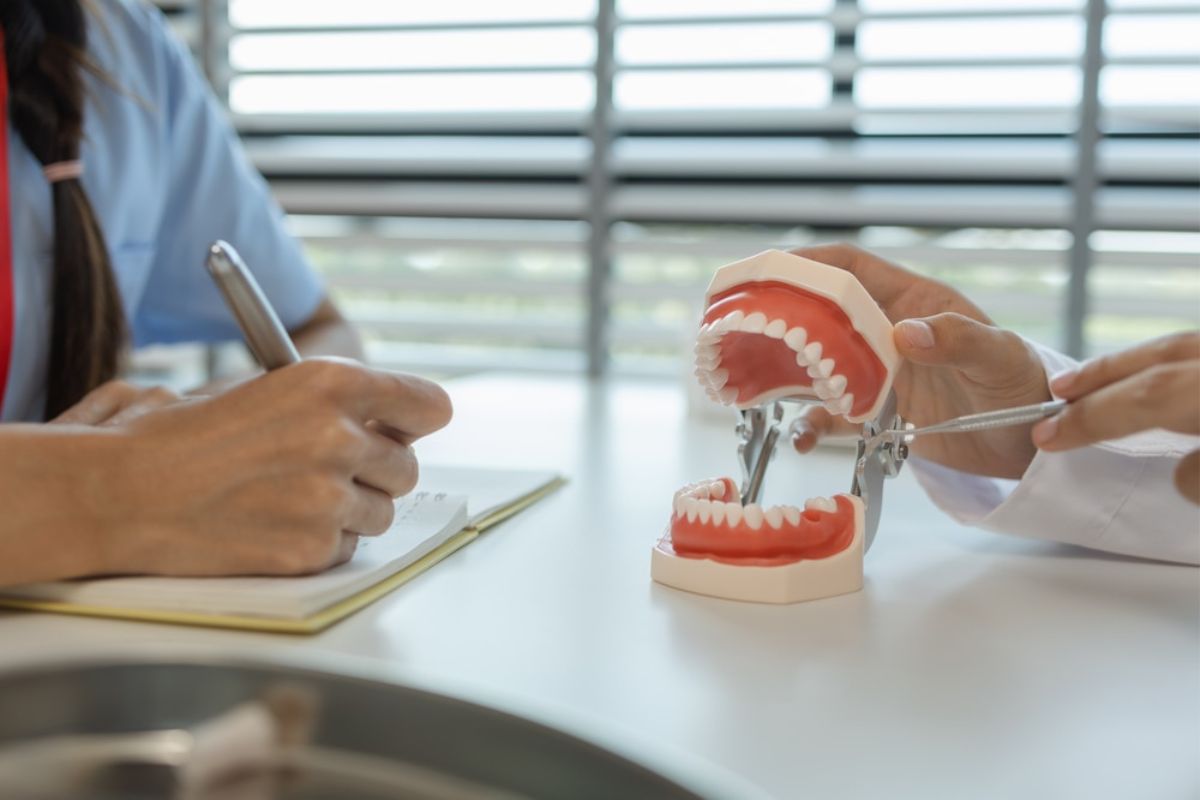
Getting your third molars removed is a common oral surgery procedure, often recommended to address crowding, damage to surrounding teeth, or to prevent infection. However, it’s not something to take lightly, especially when it comes to post-procedure care. One of the biggest mistakes people make? Eating too soon after wisdom teeth removal.
Knowing when and what to eat after a tooth extraction can make all the difference in a smooth healing process. Follow this guide to understand how long you must wait to eat anything after having your third molar tooth removed.
Why Do Dentists Recommend Wisdom Teeth Removal?
Third molars, more commonly known as wisdom teeth, often don’t have enough room to erupt properly. They may grow at an angle, press into other teeth, or remain stuck below the gums. When you ignore this impaction for too long, it can cause pain and infection.
Even as a preventive measure, your specialist often suggests wisdom teeth removal in McKinney. It’s a routine procedure, but recovery must be managed carefully to avoid complications like dry sockets or prolonged bleeding.
How Long Should You Wait to Eat?
Here’s what your meal plan should look like after the extraction of molar teeth.
- First 24 hours: Stick strictly to liquids and cold, soft foods. The blood clot that forms in the empty socket needs time to stabilize. Dislodging it can lead to a dry socket, which is a painful setback.
- Days 2 to 3: You can slowly introduce more texture. Stick with lukewarm soups, pudding, yogurt, or mashed fruits. Avoid any chewing near the surgical area.
- Days 4 to 5: Soft solids, such as scrambled eggs, mashed potatoes, soft bread (without crust), and flaky fish, can be added in small amounts. Still avoid anything crunchy, spicy, or sticky.
- After a Week: If healing progresses well, you can gradually return to your regular diet. However, be cautious around the extraction sites.
What Can You Eat Right After Wisdom Teeth Removal?
Start with food that soothes the gums and supports healing of the extraction site:
- Applesauce
- Smoothies (no seeds or straw!)
- Ice cream or frozen yogurt
- Cold soup
- Mashed bananas or avocado
- Chocolate pudding
These foods are easy to eat, low-risk for the surgical area, and help reduce inflammation.
Safe Foods to Include in Your Meal After 3 to 5 Days
As your mouth starts to heal, introduce soft, warm options:
- Scrambled eggs
- Mashed potatoes or yams
- Well-cooked pasta
- Poached or steamed fish
- Oatmeal or soft cereal soaked in milk
- Soft-cooked vegetables (e.g., carrots, zucchini)
Always chew away from the extraction sites and keep portions small.
Which Foods to Avoid After Dental Extraction?
These items can disrupt healing and lead to serious complications:
- Crunchy snacks (chips, nuts, granola)
- Sticky foods (toffee, gum, caramel)
- Acidic or spicy meals (hot sauces, citrus)
- Hot drinks or alcohol
- Using a straw or smoking
These meals and beverages may induce painful inflammation, loosen clots, or irritate your gums. Avoid them at all costs for optimal healing of the surgery site.
Why Seek Wisdom Teeth Extraction from a Periodontist?
Want to prevent the risk of nerve injury, infection, or healing delays after removing third molars? You can have a safe extraction experience with a periodontist in McKinney, TX. Their expertise ensures a safe procedure and individualized treatment for a speedy recovery after tooth extraction.
Even if you can start craving your favorite foods again, patience is necessary after wisdom teeth removal. Closely monitor your healing journey and adhere to the suggested diet for fast results. Talk to our periodontic specialist if you have any questions about your extraction or aftercare. To book your appointment or discuss post-operative care, get in touch with Innovative Dental Specialists of McKinney right now.
Frequently Asked Questions
What foods are best to eat after wisdom teeth removal?
We generally recommend soft foods that are easy to chew and unlikely to irritate the extraction sites. Choosing gentle foods during the early stages of recovery can help support healing.
When can I return to my normal diet after wisdom teeth extraction?
The timeline varies depending on your healing progress and the complexity of the procedure. Most patients gradually reintroduce firmer foods as comfort improves and the extraction sites heal.
Why should I avoid certain foods after wisdom teeth removal?
Hard, crunchy, spicy, or sticky foods can irritate the surgical areas, disrupt healing, or become trapped near the extraction sites during recovery.
How can we help promote a smooth recovery after wisdom teeth removal?
Following post-operative instructions, staying hydrated, getting adequate rest, and maintaining proper oral hygiene can all contribute to a more comfortable healing process.
What are some signs that the extraction sites are healing properly?
Gradual improvement in swelling, discomfort, and overall comfort are common signs of recovery. As healing progresses, most patients notice increased comfort when eating and performing normal daily activities.

New Patients Appointments Welcome!
