


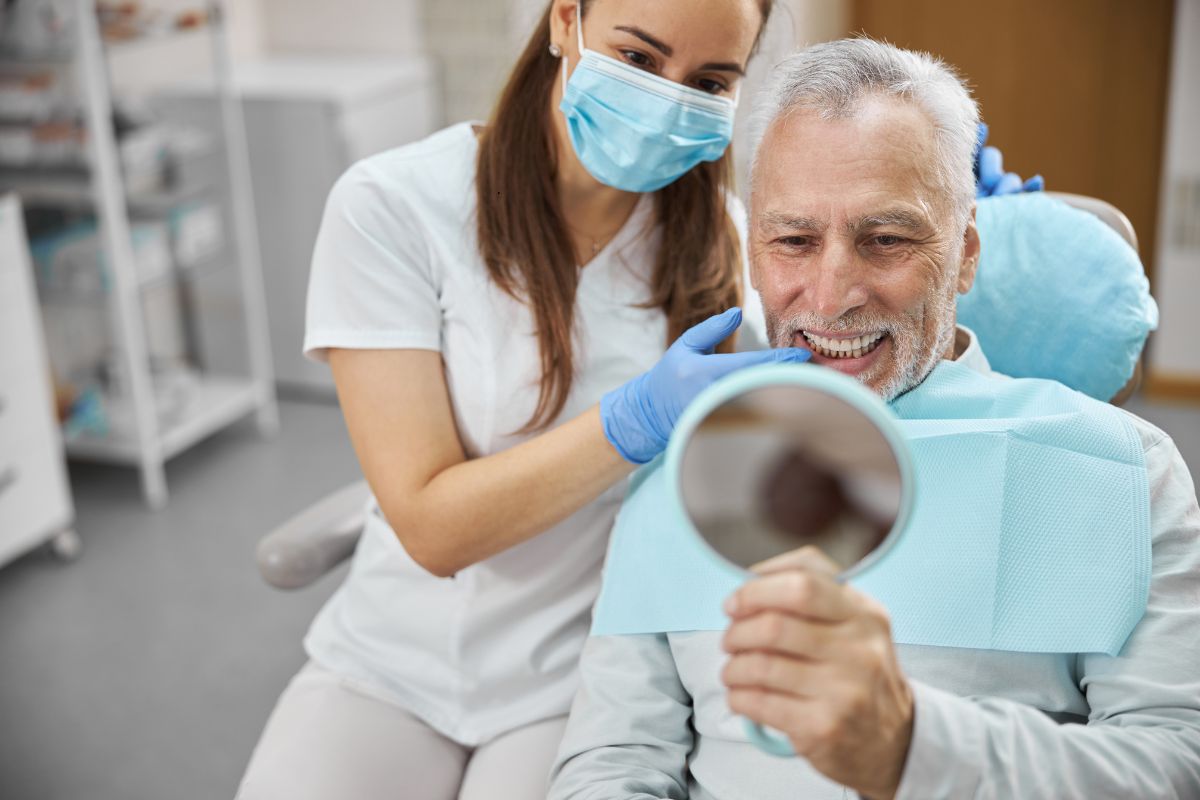
Dental implants are a long-term solution designed to restore both function and confidence. They look and feel natural, allowing you to eat, speak, and smile comfortably. However, the success of implant treatment doesn’t end once the procedure is complete. Proper aftercare plays a critical role in healing and in maintaining results for years to come.
Whether you’ve recently completed treatment or are planning ahead, understanding how to care for dental implants helps protect your investment and supports overall oral health. These practical, dentist-recommended aftercare tips focus on daily habits, healing support, and long-term maintenance.
Why Aftercare Matters for Implant Success
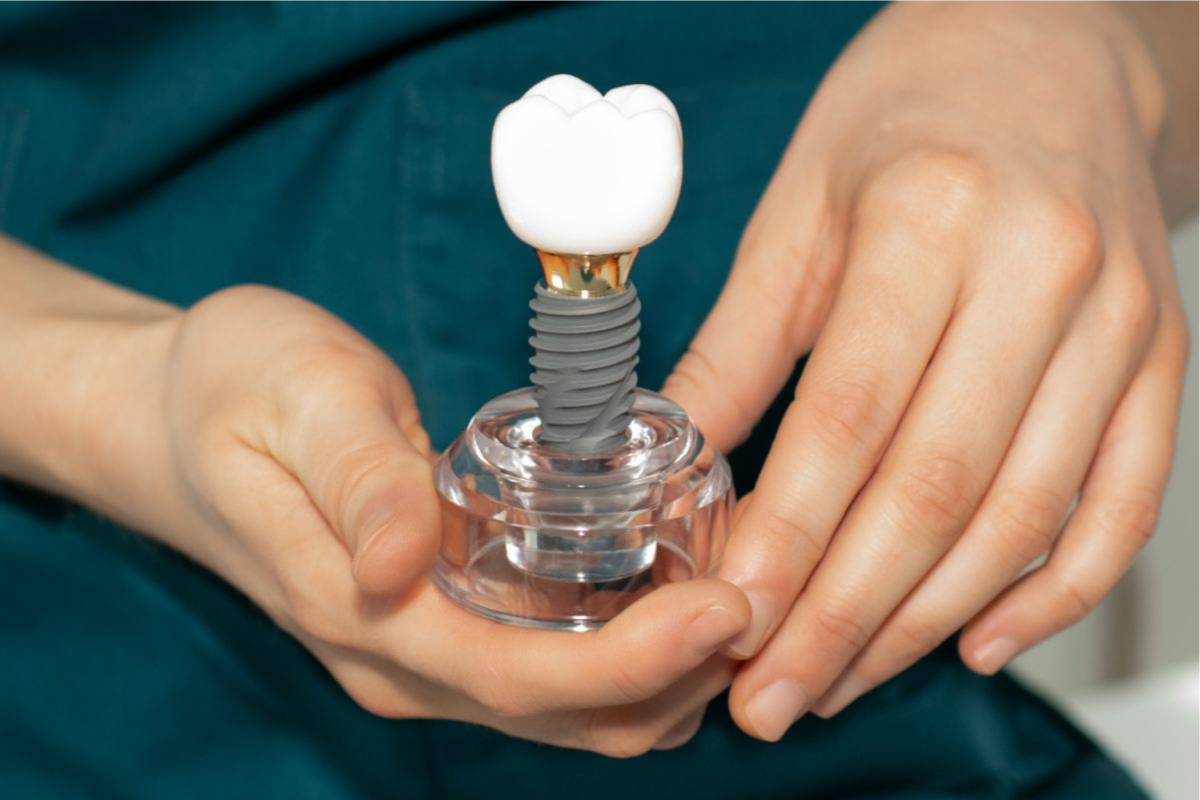
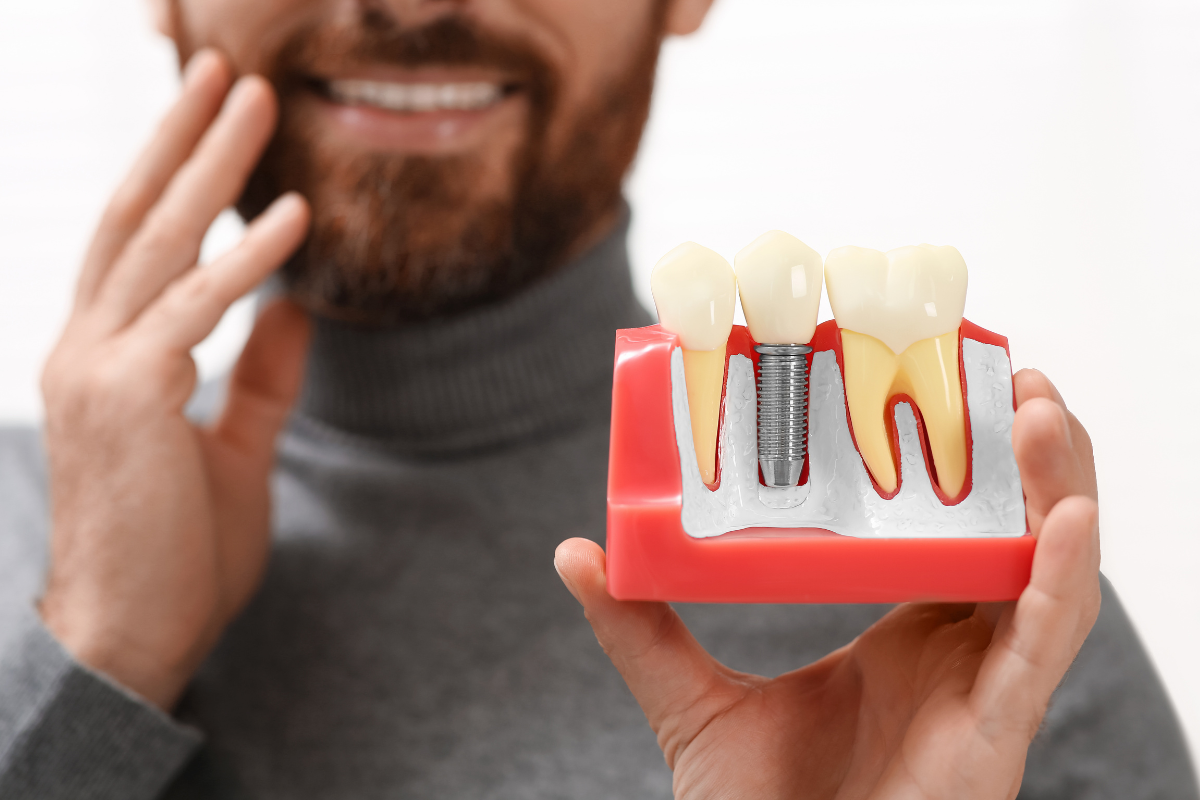
While implants are made from durable materials, they still rely on healthy surrounding gums and bone. Without proper care, issues such as infection, gum inflammation, or bone loss can develop, potentially compromising stability.
Good aftercare promotes proper healing, reduces complications, and helps implants function as intended. Patients who follow consistent care routines tend to enjoy better comfort and longer-lasting results.
The First Few Days After Implant Placement
The initial healing phase is especially important.
Manage Swelling and Discomfort
Mild swelling or tenderness is normal after surgery. Applying cold compresses during the first 24 hours can help reduce inflammation. Any discomfort typically subsides within a few days and can be managed with medications recommended by your dental provider.
Stick to Soft Foods
During early healing, choose soft foods such as yogurt, mashed vegetables, eggs, and smoothies. Avoid hot, crunchy, or chewy foods that may irritate the area or disrupt healing.
Avoid Disturbing the Site
Refrain from touching the surgical area with your tongue or fingers. This reduces the risk of introducing bacteria and allows tissues to heal properly.
Maintain Excellent Oral Hygiene
Cleanliness is essential for long-term implant health.
Gentle Brushing
Brush twice daily using a soft-bristled toothbrush. Pay close attention to the gumline around the implant, but use gentle pressure to avoid irritation. Non-abrasive toothpaste is often recommended to protect surrounding surfaces.
Floss Daily
Daily flossing removes plaque and food debris from areas brushing can’t reach. Implant-safe floss or water flossers are effective tools for cleaning around posts and gum tissue.
Use a Mild Mouth Rinse
An alcohol-free antimicrobial rinse can help reduce bacteria and support gum health, especially during the healing phase.
Protect Your Gums for Long-Term Stability
Healthy gums are essential to implant success.
Redness, swelling, or bleeding may indicate early signs of gum inflammation. Addressing these issues early helps prevent more serious complications. Maintaining proper hygiene and attending regular dental visits helps keep gum tissue strong and resilient.
Patients receiving dental implants in McKinney are often advised to focus on gum care just as much as the implants themselves.
Be Mindful of Your Diet
What you eat affects oral health more than many people realize.
Avoid Hard or Sticky Foods
Hard foods like ice or nuts can place unnecessary stress on restorations. Sticky foods may pull at crowns or trap bacteria around the implant.
Choose Nutrient-Rich Options
A balanced diet rich in lean protein, leafy greens, dairy, and whole grains supports bone and gum health. Staying hydrated also helps maintain saliva flow, which naturally cleans the mouth.
Avoid Harmful Habits
Certain habits can interfere with healing and long-term success.
Smoking is one of the leading risk factors for implant failure, as it reduces blood flow and slows healing. Limiting alcohol consumption during recovery also supports tissue repair.
Additionally, avoid using teeth as tools or chewing on hard objects, which can damage restorations over time.
Protect Implants from Grinding and Clenching
Teeth grinding, especially during sleep, can place excessive pressure on implants.
If you clench or grind your teeth, a custom night guard may be recommended. This protective device helps distribute pressure evenly and protects both natural teeth and implant restorations.
Keep Up with Regular Dental Visits
Routine checkups are essential even after implants have fully healed.
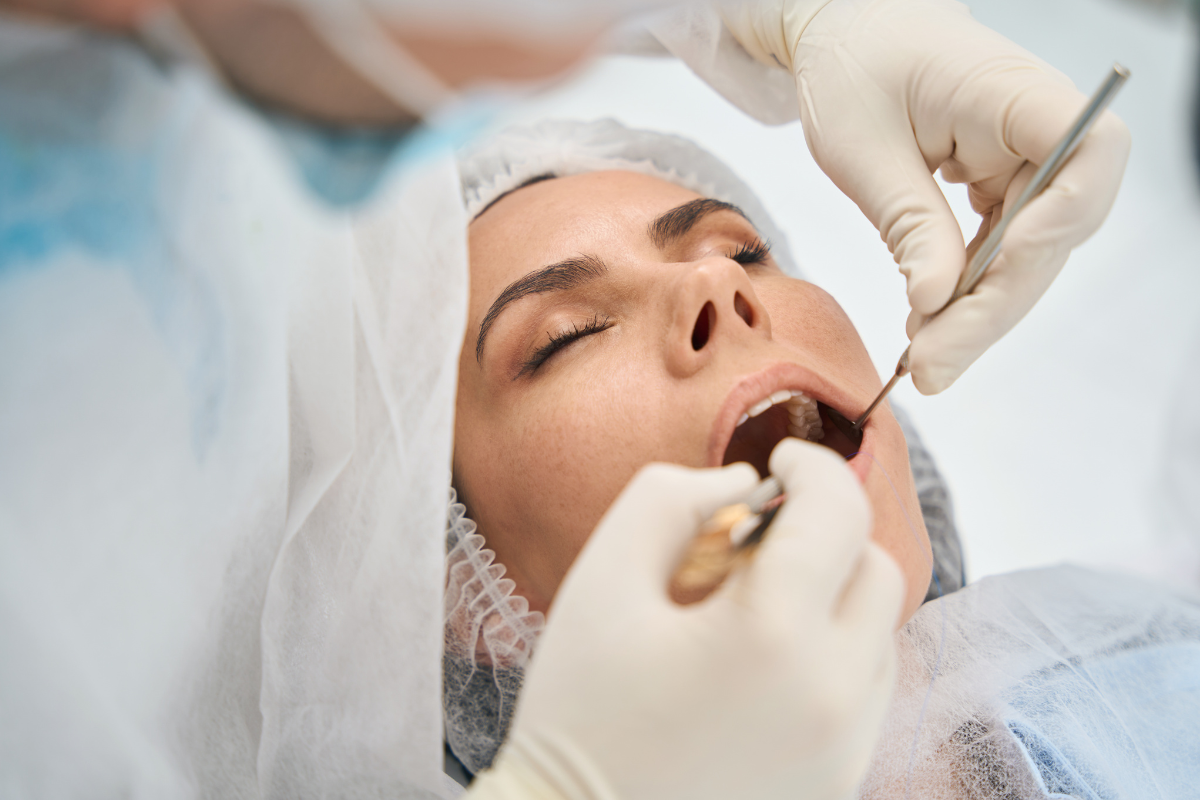
Professional cleanings remove plaque buildup that daily brushing may miss. Dental exams also allow early detection of gum inflammation or changes around the implant site.
Working with an experienced provider for mckinney dental implants ensures your restorations are monitored and maintained over time. At Innovative Dental Specialists of McKinney in McKinney, TX, follow-up care is designed to support long-term oral health and implant stability.
Know the Signs That Need Attention
While implants have high success rates, it’s important to stay alert.
Contact your dental provider if you notice:
- Persistent pain or swelling
- Bleeding around the implant
- A loose feeling in the restoration
- Changes in bite alignment
Prompt attention can often prevent minor concerns from becoming serious issues.
Conclusion
Dental implants are a reliable, long-lasting solution, but their success depends heavily on consistent aftercare. By maintaining excellent hygiene, protecting your gums, making mindful dietary choices, and attending regular dental visits, you can support healing and enjoy lasting results.
These simple yet effective habits not only protect your implants but also contribute to better overall oral health and comfort for years to come.
If you have questions about implant aftercare or want to ensure your restorations are properly maintained, schedule a follow-up visit with a trusted dental provider. Personalized guidance can help you protect your smile and get the most from your dental implant treatment.

New Patients Appointments Welcome!
