


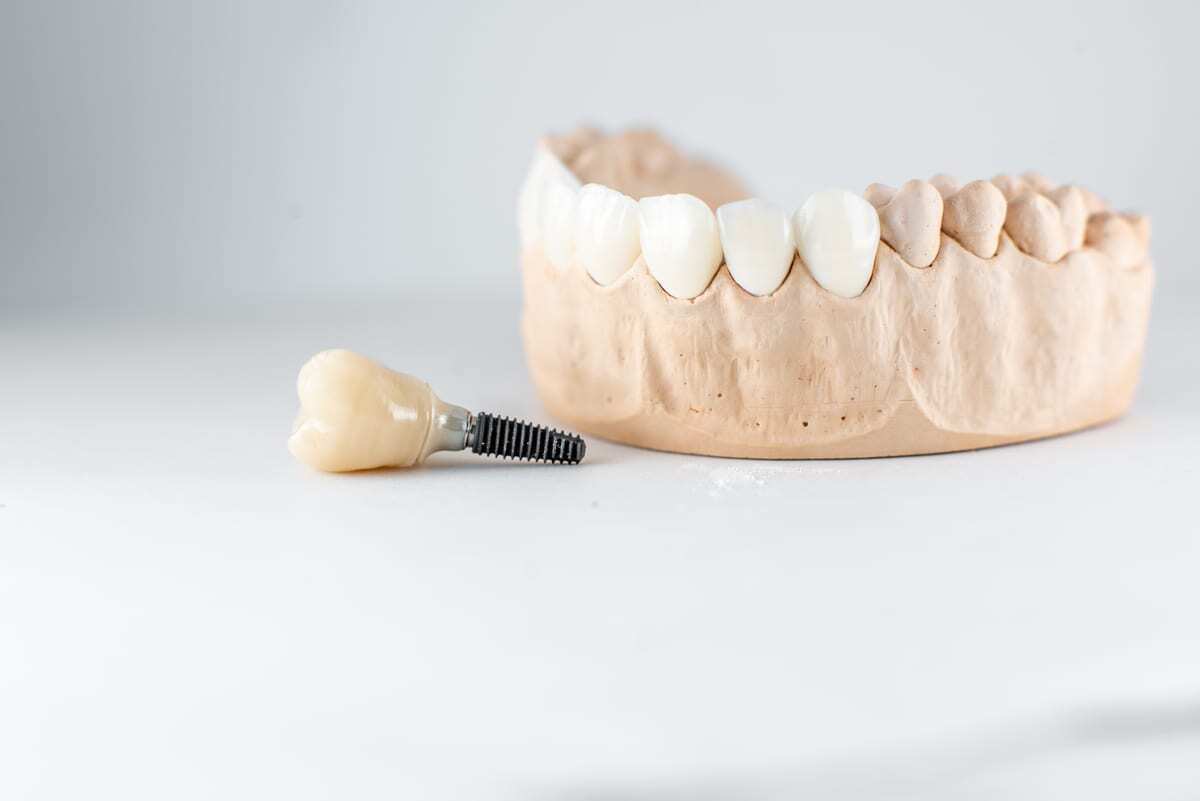
Choosing the right tooth replacement is one of the most important dental decisions you will ever make. For patients weighing Dental Implants vs. Dentures vs. Bridges: Which Option Is Right For You in McKinney, the answer depends on your health, lifestyle, and long-term goals. Each option has real advantages — and real trade-offs. This guide breaks down every choice so you can walk into your consultation feeling informed and confident.
Understanding Your Three Main Tooth Replacement Options in McKinney
When a tooth is lost or must be removed, you generally have three paths forward. Those paths are dental implants, dentures, and dental bridges. Each replaces a missing tooth differently. Each also affects your jawbone, surrounding teeth, and daily routine in unique ways.
Dental Implants McKinney are titanium posts placed surgically into the jawbone. They act as artificial tooth roots and support a crown on top. Dentures are removable appliances that replace one tooth or an entire arch. Bridges are fixed restorations that anchor to neighboring teeth to fill the gap between them.
None of these options is universally better. The right choice depends on factors like bone density, gum health, the number of missing teeth, and your personal preferences. Dr. Wilner Loiseau evaluates all of these factors before recommending a path forward.
Dental Implants vs. Dentures: Key Differences to Consider
Dental implants and dentures solve the same problem in very different ways. Implants are permanent fixtures fused to your jawbone. Dentures are removable and rest on your gums. Both can restore your smile, but day-to-day experiences vary significantly.
Here are key differences between implants and dentures:
- Stability: Implants stay fixed in place. Dentures can shift or slip while eating and speaking.
- Bone preservation: Implants stimulate the jawbone and prevent bone loss. Dentures do not offer this benefit.
- Maintenance: Implants are cared for like natural teeth. Dentures require removal and soaking overnight.
- Longevity: Implants can last decades with proper care. Traditional dentures typically need replacement every 5–10 years.
- Cost upfront: Implants cost more initially. Dentures have a lower starting cost but may require more long-term investment.
For patients missing most or all of their teeth, All-On-4 Implants offer a hybrid solution. This system supports an entire arch of teeth on just four strategically placed implants. It combines the stability of implants with the efficiency of a full-arch restoration.
Dental Implants vs. Bridges: What You Need to Know
A dental bridge is a popular fixed option. It fills a gap by anchoring a false tooth to the healthy teeth on either side. Bridges do not require surgery, which makes them appealing to many patients.
However, bridges come with a significant trade-off. The adjacent healthy teeth must be filed down to support the bridge. This permanently alters those teeth, even if they were completely healthy. An implant, by contrast, stands independently without affecting neighboring teeth.
Here is how implants and bridges compare side by side:
- Bone health: Implants preserve the jawbone. Bridges do not prevent bone loss beneath the gap.
- Impact on other teeth: Bridges require reshaping adjacent teeth. Implants leave surrounding teeth untouched.
- Durability: Implants typically outlast bridges when properly maintained.
- Candidacy: Bridges work well when neighboring teeth already need crowns. Implants work best when surrounding teeth are healthy.
Dental Crowns play a role in both solutions. A bridge uses crowns on anchor teeth. An implant is topped with a single crown. Understanding this overlap helps patients see why the underlying structure matters as much as the visible restoration.
How Gum Health and Bone Density Affect Your Decision
Your gum and bone health play a major role in determining which option is right for you. Dental implants require sufficient bone density to integrate properly. If bone loss has occurred, Bone Grafting may be needed before implant placement. This adds time to the process but expands candidacy significantly.
Gum disease is another critical factor. Active gum disease must be treated before any tooth replacement procedure. Gum Disease Treatment McKinney is often a necessary first step for patients who have experienced tooth loss due to periodontal issues. Treating the underlying problem protects your investment in any restoration you choose.
Periodontal Care at Innovative Dental Specialists ensures your gums are healthy enough to support long-term results. Skipping this step puts any restoration at risk of failure. Dr. Loiseau takes a thorough approach to evaluating your gum and bone health before recommending a plan.
Patients with significant anxiety about procedures may benefit from IV Sedation. This option makes longer or more complex treatments — like implant surgery or bone grafting — far more comfortable. Many McKinney patients find it transforms their experience entirely.
Which Option Is Right for You in McKinney?
There is no single answer that fits every patient. However, some general patterns can help you think through your situation clearly.
Dental implants tend to be the strongest long-term choice for patients who have good bone density, healthy gums, and one or a few missing teeth. They function and feel the most like natural teeth. They also protect your jawbone and surrounding teeth over time.
Dentures make more sense when most or all teeth are missing and implant surgery is not an option due to health or bone limitations. Modern dentures are more comfortable and natural-looking than older versions. They remain a practical, accessible solution for many patients.
Bridges are a reasonable middle ground when neighboring teeth already need crowns or when a patient prefers to avoid surgery. They provide a fixed, stable restoration without the complexity of an implant procedure.
Implant-supported options like All-On-4 Implants bridge the gap between full-arch dentures and individual implants. They offer stability without requiring an implant for every single missing tooth. This can be a transformative solution for patients who previously thought implants were out of reach.
Frequently Asked Questions
How long do dental implants last compared to bridges and dentures?
Dental implants can last 20 years or more with good oral hygiene and regular dental visits. Dental bridges typically last 10–15 years before needing replacement. Traditional dentures usually require replacement every 5–10 years as the jawbone changes shape over time.
Can I get dental implants if I have gum disease?
Active gum disease must be treated before implant placement. At Innovative Dental Specialists of McKinney, Dr. Loiseau will assess your periodontal health and recommend treatment first. Once your gums are healthy and stable, implants can often be placed successfully.
Is the dental implant process painful?
Most patients report that the implant procedure is more comfortable than they expected. Local anesthesia numbs the area during surgery. Patients with dental anxiety can also opt for IV Sedation for a more relaxed experience. Post-procedure soreness is typically manageable with over-the-counter pain relief.
What is the difference between All-On-4 and traditional dentures?
Traditional dentures rest on the gums and can shift during use. All-On-4 Implants are anchored to four implant posts in the jawbone, making them fixed and stable. They do not need to be removed at night and feel much more like natural teeth. They also help preserve jawbone density over time.
How do I know which tooth replacement option is right for me?
The best way to determine the right option is through a comprehensive evaluation with an experienced provider. Dr. Wilner Loiseau at Innovative Dental Specialists of McKinney reviews your bone density, gum health, number of missing teeth, and personal goals to recommend the most suitable solution for your situation.
If you are ready to explore your options and find the best path to a healthy, complete smile, our team in McKinney is here to guide you every step of the way. Book Now to schedule your appointment with our team.



New Patients Appointments Welcome!
