


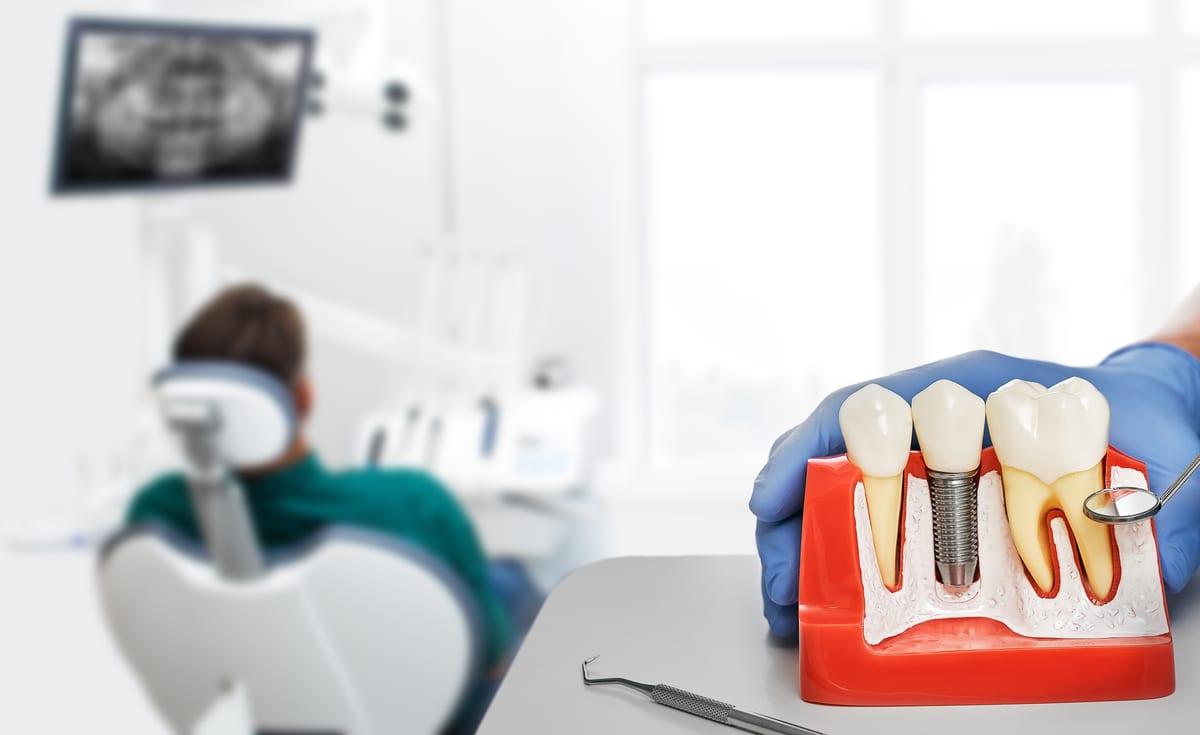
If you are missing one or more teeth, a dental bridge can restore your smile and your confidence. Many McKinney patients want to know exactly what happens during a dental bridge procedure before they commit to treatment. Understanding each step helps reduce anxiety and sets clear expectations. This step-by-step guide walks you through the entire process at Innovative Dental Specialists of McKinney.
What Is a Dental Bridge and Who Needs One in McKinney?
A dental bridge is a fixed restoration that literally bridges the gap left by a missing tooth. It anchors to the natural teeth on either side of the gap, called abutment teeth. The artificial tooth in the middle is called a pontic. Bridges restore chewing function, speech, and smile aesthetics.
Dr. Wilner Loiseau recommends bridges for patients who have one or more adjacent missing teeth. They are also a strong alternative to removable partial dentures. If you have healthy surrounding teeth and adequate bone support, a bridge is often an excellent choice. Some patients also explore dental implants in McKinney as another long-term solution for missing teeth.
Before any treatment begins, Dr. Loiseau performs a thorough evaluation. He reviews your dental and medical history carefully. X-rays and digital scans help him assess bone health and tooth alignment. This ensures your treatment plan is precise and personalised from the very start.
Step-by-Step: What Happens During Your Dental Bridge Procedure
Knowing what happens during your dental bridge procedure step by step in McKinney makes the experience far less intimidating. The process typically spans two to three appointments over a few weeks. Each visit has a clear purpose, and Dr. Loiseau’s team guides you through every stage. Here is exactly what you can expect.
Step 1: Initial Consultation and Treatment Planning
Your first appointment focuses entirely on assessment and planning. Dr. Loiseau examines the abutment teeth to confirm they are strong enough to support a bridge. He discusses your goals and answers all your questions. You leave with a clear treatment plan and a timeline.
Step 2: Tooth Preparation
At your second appointment, the abutment teeth are prepared to receive dental crowns. This involves reshaping each tooth by removing a small amount of enamel. Local anaesthetic is administered so you feel comfortable throughout. The reshaping is precise and calculated to ensure your crown fits perfectly.
Step 3: Impressions and Temporary Bridge
Once the teeth are prepared, detailed impressions or digital scans are taken. These go to a dental laboratory where your custom bridge is crafted. A temporary bridge is placed the same day to protect your prepared teeth. The temporary bridge also lets you eat and speak normally while you wait.
Step 4: Fitting and Placing the Permanent Bridge
When your permanent bridge arrives from the lab, you return for the fitting appointment. Dr. Loiseau carefully checks the fit, bite, and appearance. Any minor adjustments are made chairside before the bridge is permanently cemented. You leave with a fully restored, natural-looking smile.
How the Team Keeps You Comfortable Throughout
Patient comfort is a top priority at Innovative Dental Specialists of McKinney. Dr. Loiseau and his team use several strategies to ensure a stress-free experience. Local anaesthetic is used at every preparation stage. For patients with significant dental anxiety, IV sedation is also available.
IV sedation allows you to remain deeply relaxed during longer or more complex procedures. You remain conscious but feel calm and largely unaware of the treatment. It is a safe and highly effective option for anxious patients. Our team monitors you closely throughout the entire sedation process.
The practice also takes time between steps to check in with you. If you feel any discomfort, the team adjusts immediately. Communication is open and ongoing from start to finish. You are never left wondering what comes next.
Caring for Your Dental Bridge After the Procedure
A dental bridge can last ten to fifteen years with proper care. Good oral hygiene is essential for protecting the abutment teeth underneath. Brushing twice daily and flossing carefully around the bridge keeps the area clean. Special floss threaders or water flossers make cleaning under the pontic easier.
Regular dental check-ups are just as important as home care. Dr. Loiseau monitors the bridge at every visit to ensure it remains secure. He also checks the health of your gum tissue around the bridge. If any early signs of gum problems appear, prompt gum disease treatment can protect both your bridge and your natural teeth.
Here are key tips for keeping your bridge in excellent condition:
- Brush the bridge and surrounding teeth twice daily with a soft-bristled brush
- Use a floss threader or interdental brush to clean under the pontic
- Avoid chewing hard or sticky foods that could dislodge the bridge
- Attend professional cleanings every six months
- Report any sensitivity, looseness, or discomfort to Dr. Loiseau promptly
Benefits of Choosing a Dental Bridge at Innovative Dental Specialists of McKinney
A dental bridge offers several practical and aesthetic advantages. It is a proven, time-tested restoration that delivers reliable results. Here is a quick summary of the key benefits:
- Restores your ability to chew and speak comfortably
- Prevents surrounding teeth from shifting into the gap
- Maintains the natural shape of your face and jawline
- Fixed in place, no removal required like a denture
- Completed in just a few appointments
- Custom-crafted to match the colour and shape of your natural teeth
Dr. Loiseau takes pride in delivering bridges that look completely natural. Every bridge is designed with your facial structure and smile goals in mind. The result is a restoration you can smile about with genuine confidence.
Conclusion: Restoring Your Smile in McKinney
Understanding what happens during a dental bridge procedure step by step helps McKinney patients feel prepared and empowered. From the initial consultation to the final placement, every stage is designed with precision and comfort in mind. Dr. Wilner Loiseau and the team at Innovative Dental Specialists of McKinney are committed to delivering outstanding results. Book Now to schedule your appointment with our team.
Frequently Asked Questions
How many appointments does a dental bridge procedure take?
Most patients need two to three appointments. The first visit involves consultation and tooth preparation. The second visit places the permanent bridge once the lab has crafted it. Some cases may require an additional fitting appointment.
Is the dental bridge procedure painful?
The procedure is not painful thanks to local anaesthetic. Patients may feel mild pressure during tooth preparation, but no sharp pain. Some sensitivity is normal for a few days after each appointment. Over-the-counter pain relief usually manages any post-procedure discomfort effectively.
How long does a dental bridge last?
A well-maintained dental bridge typically lasts ten to fifteen years. Proper brushing, flossing, and regular dental check-ups significantly extend its lifespan. Avoiding hard or sticky foods also helps protect the bridge from damage. Dr. Loiseau monitors your bridge at every routine visit.
Can I eat normally with a dental bridge?
Yes, once your permanent bridge is placed, you can eat most foods comfortably. It is best to avoid very hard or extremely sticky foods as a precaution. Starting with softer foods for the first few days after placement is advisable. Most patients find their chewing function improves dramatically after treatment.
What happens if a tooth under the bridge develops a problem?
If one of the abutment teeth develops decay or a structural issue, the bridge may need to be replaced. This is why maintaining excellent oral hygiene is so important. Regular check-ups allow Dr. Loiseau to catch any problems early. Early intervention protects both the bridge and the supporting teeth.



New Patients Appointments Welcome!
