


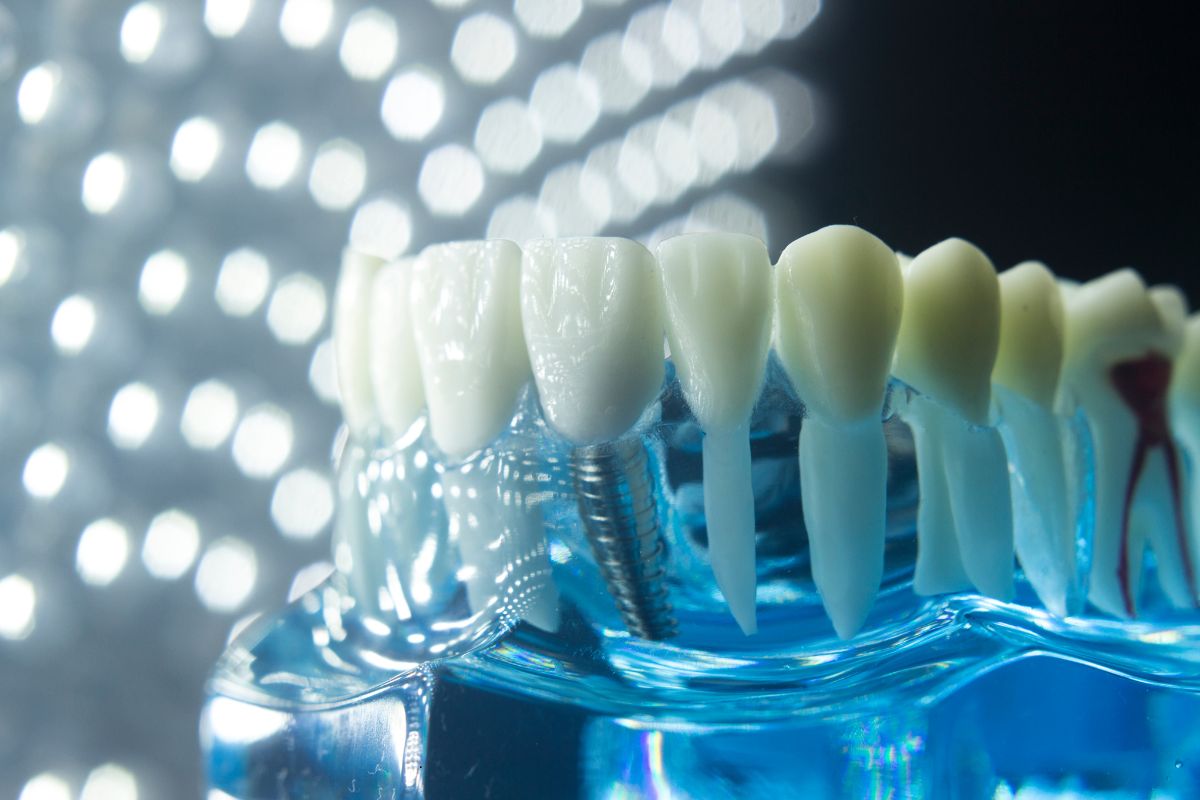
Dental implants are a popular and effective solution for replacing missing teeth. They offer a durable and natural-looking alternative to traditional dentures or bridges. However, one common question patients have is about the longevity of dental implants. How long can you expect them to last, and what factors influence their lifespan? In this blog, we’ll explore the lifespan of dental implants and what you can do to ensure they last as long as possible.
What Are Dental Implants?
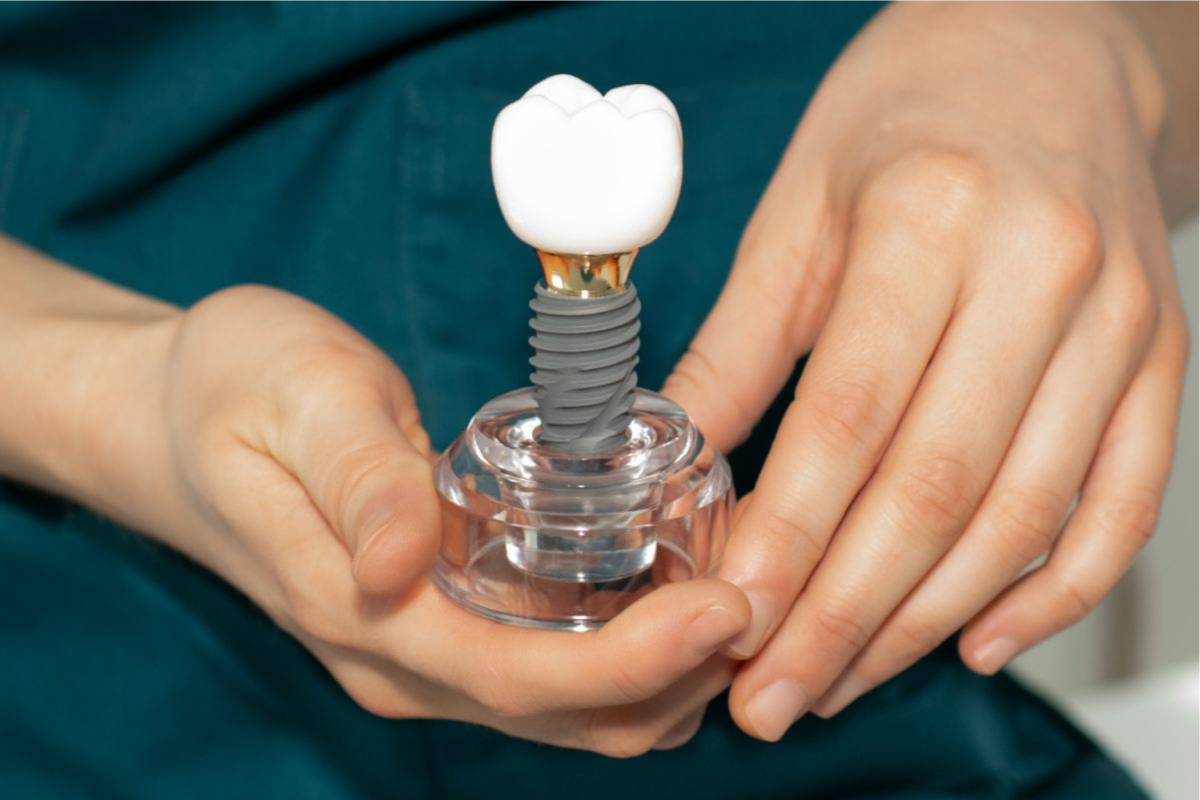
Before diving into their longevity, it’s helpful to understand what dental implants are. Dental implants consist of three main parts:
- Implant Fixture: A small, titanium post that is surgically placed into the jawbone.
- Abutment: A connector placed on top of the implant fixture.
- Crown: The visible part of the implant, which resembles a natural tooth.
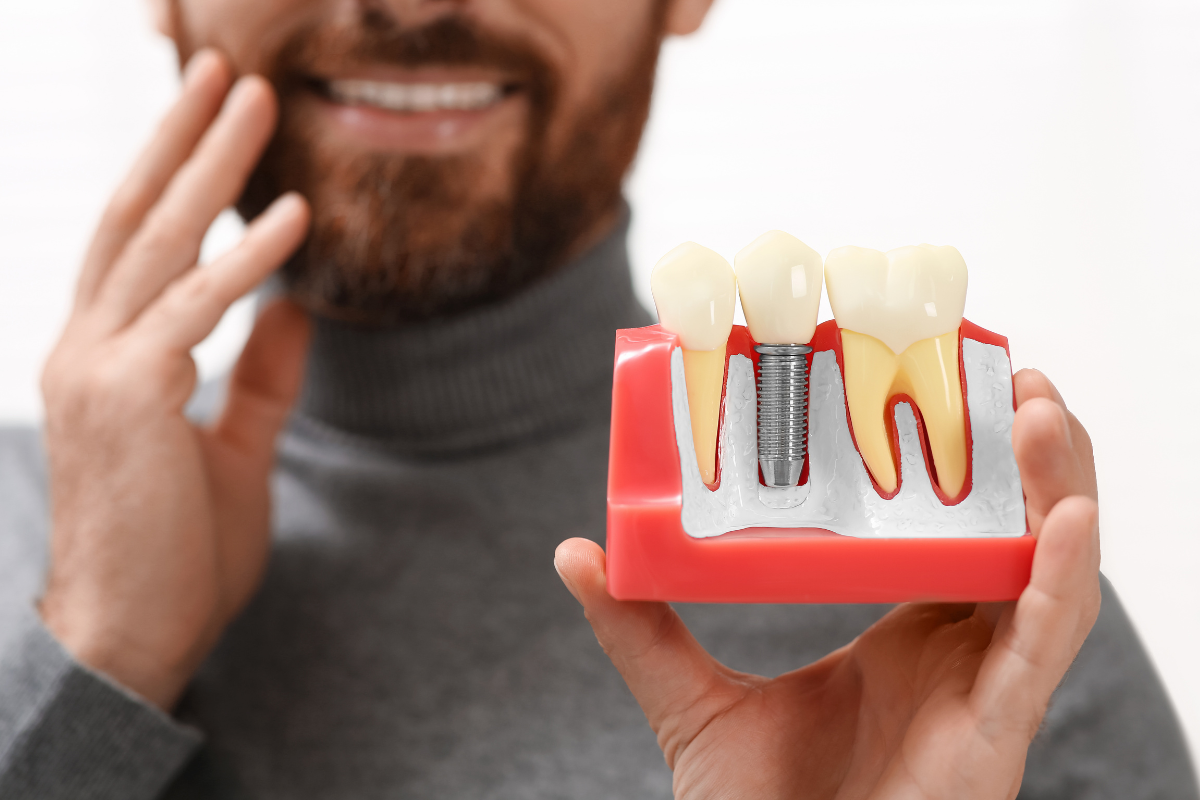
The implant fixture acts as a replacement root, providing a stable base for the crown. Over time, the implant integrates with the jawbone through a process called osseointegration, which helps ensure the implant’s stability and durability.
How Long Do Dental Implants Last?
Dental implants are known for their long-term success, with many lasting 10 to 15 years or more. In some cases, they can last a lifetime. However, their longevity can depend on several factors, including:
1. Quality of the Implant
The quality of the dental implant itself plays a significant role in its lifespan. High-quality implants made from durable materials, such as titanium, are less likely to fail. Choosing an experienced implant dentist who uses reputable implant brands can also impact the longevity of your implants.
2. Oral Hygiene
Good oral hygiene is crucial for the longevity of dental implants. Just like natural teeth, implants need regular brushing and flossing to prevent plaque buildup and gum disease. Neglecting oral care can lead to complications such as peri-implantitis, an infection around the implant that can threaten its success.
3. Bone Health
The health of your jawbone is another important factor. Dental implants require a healthy and sufficient amount of bone to anchor securely. Conditions like osteoporosis or bone loss can affect the implant’s stability. Your implant dentist will evaluate your bone health before placing the implants and may recommend bone grafting if necessary.
4. Lifestyle Factors
Certain lifestyle factors can influence the longevity of dental implants. Smoking, for example, can negatively impact the healing process and increase the risk of implant failure. Additionally, excessive alcohol consumption and poor diet can affect oral health and overall implant success.
5. Proper Care and Maintenance
Regular check-ups with your implant dentist are essential for monitoring the condition of your implants. During these visits, your dentist will assess the health of the surrounding tissues, ensure the implants are functioning correctly, and make any necessary adjustments. Proper maintenance and timely interventions can help address issues before they become serious problems.
Tips for Extending the Life of Your Dental Implants
To maximize the lifespan of your dental implants, consider the following tips:
1. Practice Good Oral Hygiene
Brush your teeth twice a day with fluoride toothpaste and floss daily. Use a soft-bristled toothbrush and consider using an antimicrobial mouthwash to reduce bacteria.
2. Attend Regular Dental Check-Ups
Visit your dentist regularly for professional cleanings and check-ups. Your dentist in McKinney will monitor the condition of your implants and ensure that any issues are addressed promptly.
3. Avoid Smoking
If you smoke, consider quitting. Smoking can interfere with the healing process and increase the risk of complications with your implants.
4. Eat a Balanced Diet
Maintain a healthy diet rich in vitamins and minerals to support overall oral health. Foods high in calcium and vitamin D are especially beneficial for bone health.
5. Protect Your Implants
If you participate in contact sports or activities that pose a risk of injury to your mouth, consider wearing a mouthguard to protect your implants and natural teeth.
Conclusion
Dental implants are a reliable and long-lasting solution for missing teeth. With proper care and regular maintenance, they can provide a durable and aesthetically pleasing result for many years. By choosing a skilled implant dentist, practicing good oral hygiene, and taking care of your overall health, you can help ensure that your dental implants last as long as possible.
If you have questions about dental implants or want to discuss your options, contact us at Innovative Dental Specialists of McKinney. Our team is here to help you achieve a healthy and beautiful smile that lasts.


New Patients Appointments Welcome!
