


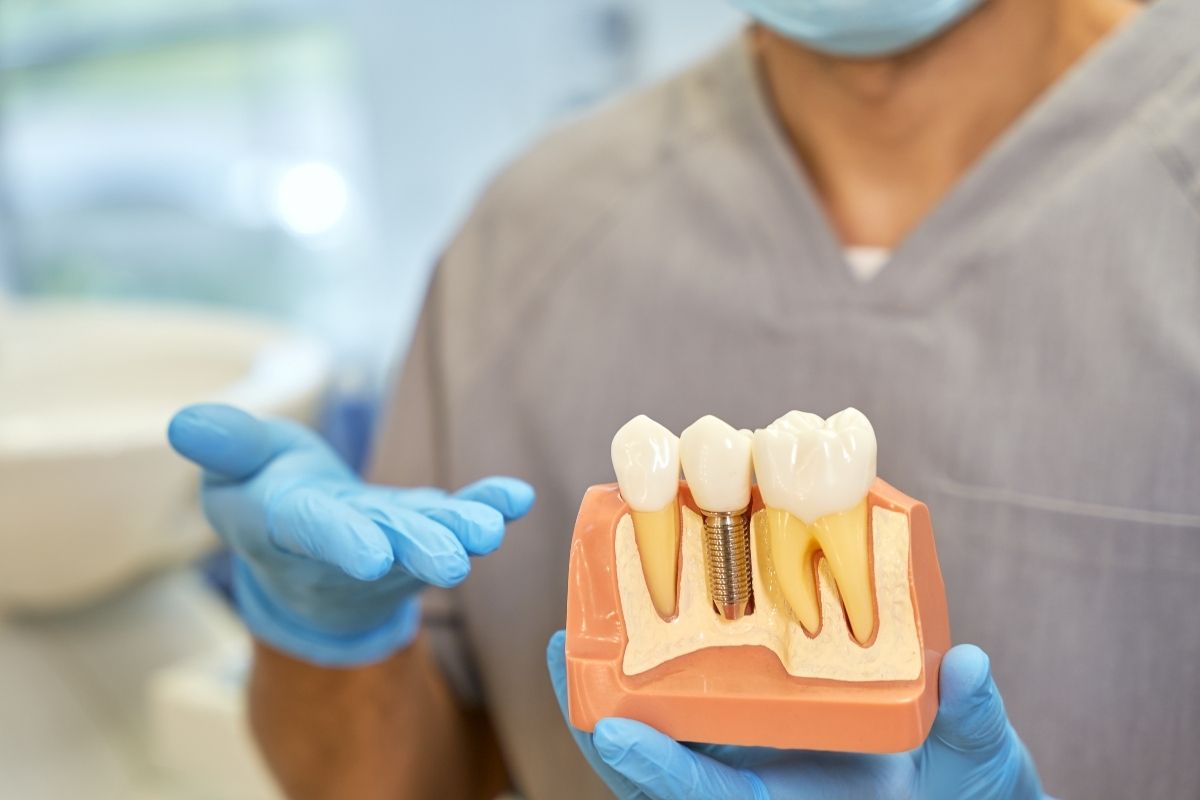
Getting a dental implant is a major step toward restoring your smile, comfort, and confidence. Implants are designed to look and function like natural teeth, but long-term success depends heavily on how well they’re cared for after placement. While implants are strong and durable, they still rely on healthy gums and bone for support.
Whether you’ve recently received treatment or are considering dental implants in McKinney, understanding proper care habits can help you protect your investment and avoid complications. This guide explains how to maintain your implant, what to watch for, and how daily routines support long-term oral health.
Why Dental Implant Care Matters
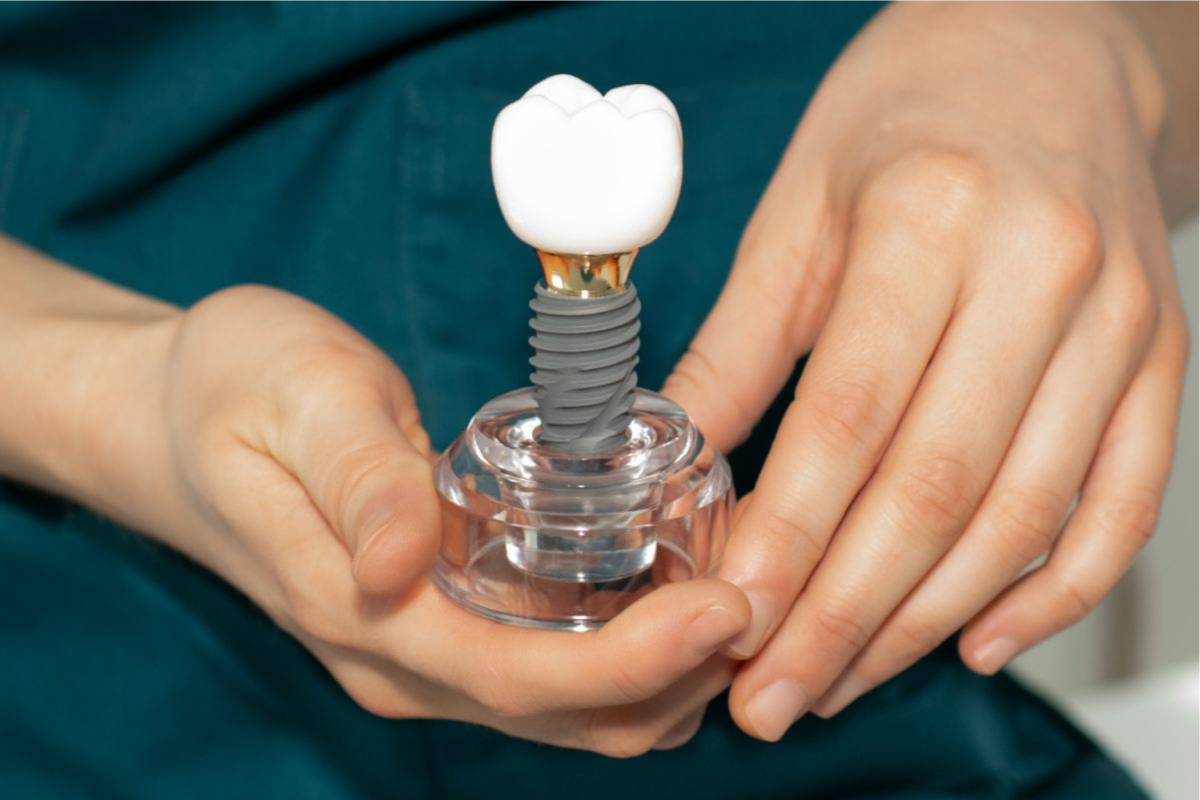
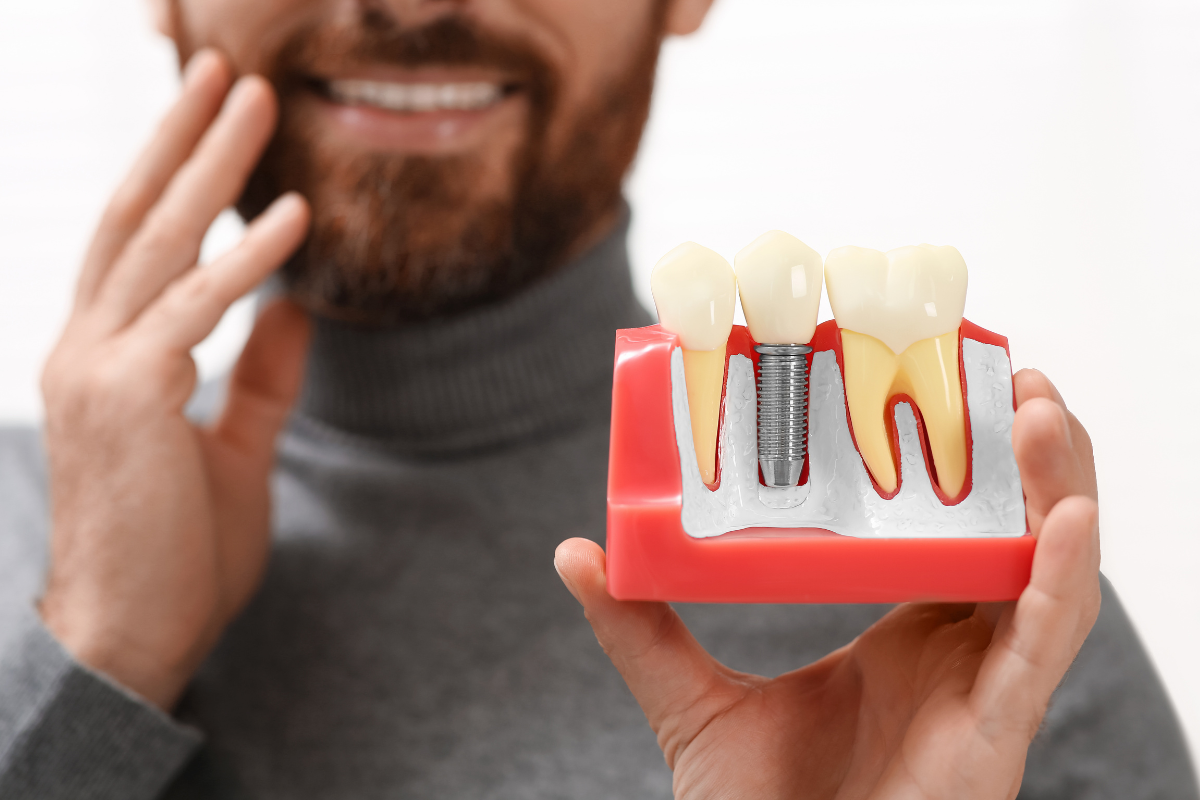
A dental implant replaces the root of a missing tooth and integrates with the jawbone. Although the implant itself can’t decay, the surrounding gum tissue and bone can still become infected if oral hygiene is neglected. Poor care can lead to inflammation, bone loss, or implant failure over time.
Consistent maintenance helps ensure the implant remains stable, functional, and comfortable for many years. Good habits also protect neighboring teeth and overall oral health.
Daily Oral Hygiene for Dental Implants
Brush Twice a Day
Brushing is just as important for implants as it is for natural teeth. Use a soft-bristled toothbrush and non-abrasive toothpaste to clean around the implant and gumline. Electric toothbrushes can be especially effective for removing plaque gently.
Floss Every Day
Flossing removes food particles and plaque from areas your toothbrush can’t reach. Special implant-friendly floss or interdental brushes can help clean around the implant without irritating the gums.
Don’t Skip the Gumline
Plaque tends to collect where the implant meets the gum tissue. Taking extra care in this area helps prevent inflammation and keeps the surrounding tissue healthy.
Foods and Habits to Be Mindful Of
While implants are designed to handle normal chewing forces, certain habits can place unnecessary stress on them.
- Avoid chewing ice, hard candy, or non-food items
- Limit sugary snacks that promote plaque buildup
- Refrain from using teeth as tools
If you grind or clench your teeth, a night guard may be recommended to protect both implants and natural teeth.
The Role of Regular Dental Checkups
Routine dental visits are essential for monitoring implant health. During these appointments, your dental provider checks the stability of the implant, examines the surrounding tissue, and removes hardened plaque that can’t be addressed at home.
Patients who receive dental implants McKinney residents trust often find that regular checkups help catch minor concerns before they become serious. Professional cleanings also help maintain healthy gums, which are key to implant longevity.
Signs of Potential Implant Problems
Early detection is critical if something doesn’t feel right. Contact your dental provider if you notice:
- Redness, swelling, or bleeding around the implant
- Persistent bad breath or a bad taste
- Discomfort when chewing
- A loose or shifting feeling
These symptoms don’t always mean implant failure, but they do require prompt evaluation.
Long-Term Care Tips for Implant Success
Caring for a dental implant is a lifelong commitment. In addition to daily hygiene and regular checkups, consider these long-term habits:
- Maintain a balanced diet to support bone health
- Manage chronic conditions like diabetes, which can affect healing
- Follow any personalized care instructions provided after treatment
Consistency plays a major role in keeping implants healthy and functional.
How Implant Care Differs from Natural Teeth
While the cleaning routine is similar, implants require special attention because they don’t have the same natural defenses as teeth. Natural teeth are supported by ligaments that help detect pressure and protect against overload. Implants lack this feedback, making careful habits even more important.
Understanding these differences helps patients approach care with the right mindset and expectations.
Conclusion
A dental implant is one of the most reliable solutions for replacing missing teeth, but its success depends on daily care and ongoing maintenance. Brushing, flossing, healthy habits, and routine dental visits all work together to protect your new smile.
By staying proactive and informed, you can help ensure your implant remains comfortable, stable, and natural-looking for years to come. Thoughtful care today can prevent complications and preserve the results you worked hard to achieve.
If you have questions about implant care or want to ensure your dental implant is being properly maintained, consider scheduling a visit with Innovative Dental Specialists of McKinney in McKinney, TX. Professional guidance and routine evaluations can help you protect your smile and enjoy lasting results.

New Patients Appointments Welcome!
