


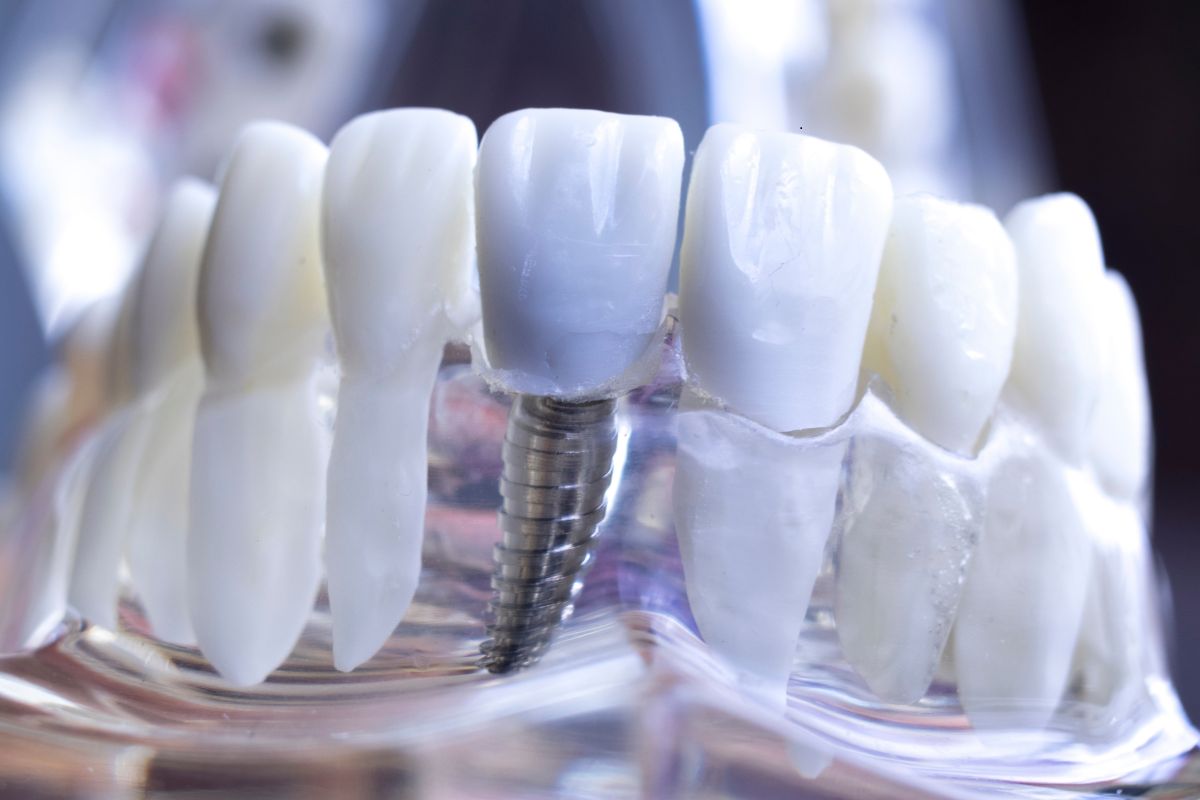
Dental implants have become a preferred solution for individuals seeking permanent tooth restoration. By replacing missing teeth, implants enhance functionality, appearance, and oral health. However, as with any medical procedure, there is potential for complications if preventive measures are overlooked.
If you’re planning a dental restoration, consulting a reliable dentist in McKinney is the first step. Knowing how to detect and prevent implant complications can protect your investment and ensure the best outcome for your health.
Factors That Cause Dental Implant Complications
While dental implants are highly successful, certain factors can increase the likelihood of complications. Being aware of these risks empowers patients to take necessary precautions:
Poor Oral Hygiene: Neglecting daily brushing and flossing can result in plaque buildup around the implant site, leading to infections like peri-implantitis.
Inadequate Bone Support: Sufficient jawbone density is essential for implants to succeed. Insufficient bone can hinder osseointegration and compromise implant stability.
Medical Conditions: Conditions such as diabetes, autoimmune disorders, or osteoporosis can delay healing, increasing the risk of complications. Always discuss your medical history with your dentist beforehand.
Smoking and Alcohol Consumption: Smoking reduces blood circulation to the gums, impairing healing and increasing the risk of implant failure. Excessive alcohol can similarly interfere with recovery.
How to Prevent Complications?
Preventative care is critical to the long-term success of your implants. Following these essential tips can help minimize risks:
Keep the Area Clean: Regular brushing and flossing prevent bacterial growth around the implant site, reducing the risk of infection or gum issues.
Avoid Smoking: Quitting smoking, even temporarily during recovery, significantly improves healing and the chances of successful implant integration.
Take Prescribed Medications: Follow the instructions of your dentist regarding antibiotics and pain management to support healing and prevent infections.
Watch for Signs of Infection: Pay close attention to symptoms like swelling, pain, or unusual discharge. Promptly report any abnormalities to your dentist. Taking a proactive approach to oral care and closely following the advice of your dentist are critical steps to preventing complications.
Ensuring a Smooth Healing Process
The recovery phase after implant surgery is crucial for ensuring long-term success. Adopting careful post-operative care practices helps ensure a smooth healing process.
Soft Diet: Stick to a soft diet during the initial recovery period. Foods like soups, mashed potatoes, and yogurt reduce strain on the implant site.
Stay Hydrated: Proper hydration supports overall health and promotes quicker healing by reducing the risk of dry mouth and bacterial growth.
Gentle Brushing: Use a soft-bristled toothbrush to gently clean around the implant site, avoiding irritation or damage to healing tissue.
Attend Follow-Up Appointments: Regular check-ups with your McKinney Dentist help track recovery progress and address potential concerns early. These visits ensure that your implant integrates properly and remains stable.
Dental restorations provide a long-lasting solution for restoring missing teeth and improving function and appearance. The healing process may require patience, but the results are worth the effort, offering enhanced confidence and functionality. With the proper care, dental implants in McKinney can transform your quality of life for years.
Ready to explore your options for dental restoration? Rely on Innovative Dental Specialists of McKinney to guide you through every step of your journey. Schedule a consultation today with us and take the first step toward achieving a healthier, more confident smile.

New Patients Appointments Welcome!
