


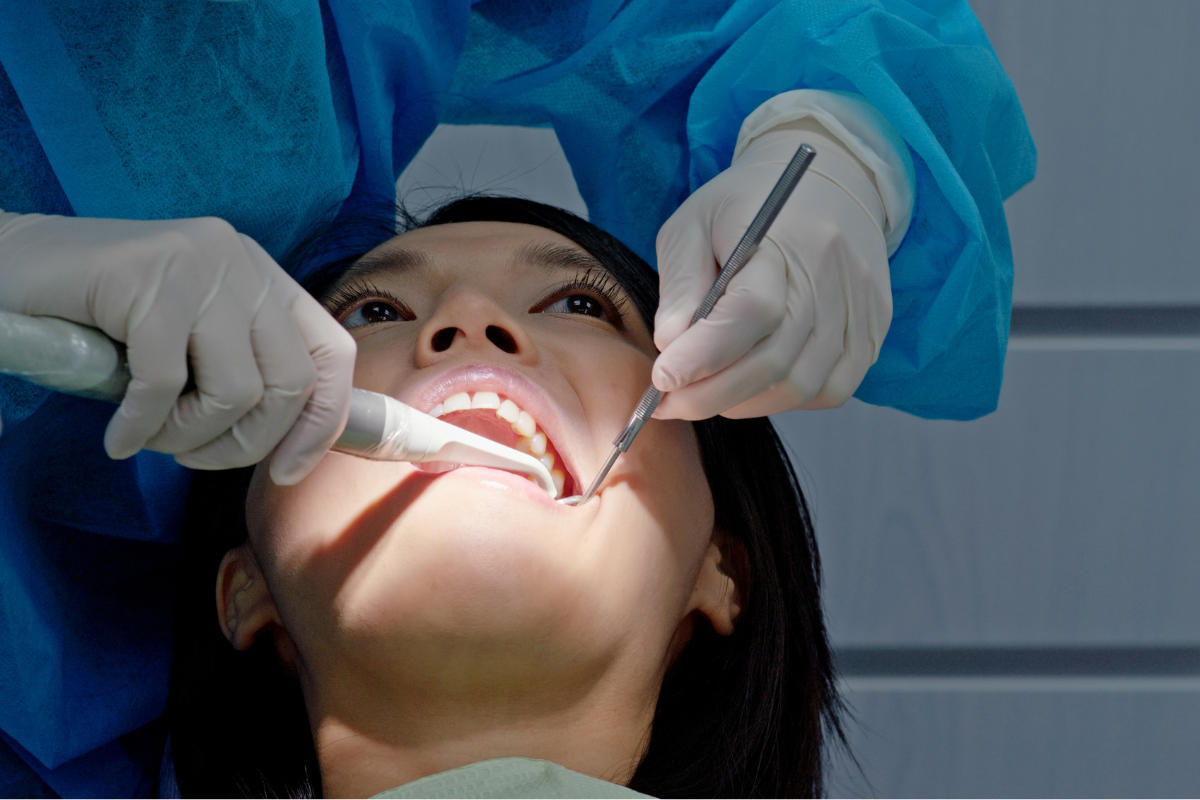
Wisdom teeth can be easy to ignore when they are not causing obvious pain. If you can eat normally, brush your teeth without discomfort, and rarely notice the back of your mouth, you may assume there is nothing to worry about. But wisdom teeth do not always announce a problem with severe pain. Some issues can develop gradually or remain unnoticed until they begin affecting the surrounding teeth and gums.
That is why paying attention to subtle changes and having your wisdom teeth checked when appropriate can help protect your long-term oral health. An examination and dental imaging can reveal problems that are difficult to see or feel on your own.
For patients considering wisdom teeth removal McKinney, understanding these less-obvious warning signs can make it easier to know when professional evaluation is worthwhile. At Innovative Dental Specialists of McKinney, we provide personalized evaluations to determine whether wisdom teeth should be monitored, treated, or removed.
Why Wisdom Teeth Can Look Fine but Still Cause Problems
Wisdom teeth are the third molars located at the very back of the mouth. Because of their position, they can be difficult to clean and difficult to see clearly without dental imaging.
Some wisdom teeth erupt normally and remain healthy. Others become partially erupted, angled, impacted, or crowded by surrounding teeth. In these situations, a problem may develop before you experience significant symptoms.
A wisdom tooth can sometimes appear harmless while:
- Food and bacteria collect around the gumline
- The tooth is difficult to brush or floss properly
- The tooth presses against the neighboring molar
- A partially erupted tooth develops inflammation
- Decay develops in an area that is difficult to reach
- The tooth remains trapped beneath the gum or bone
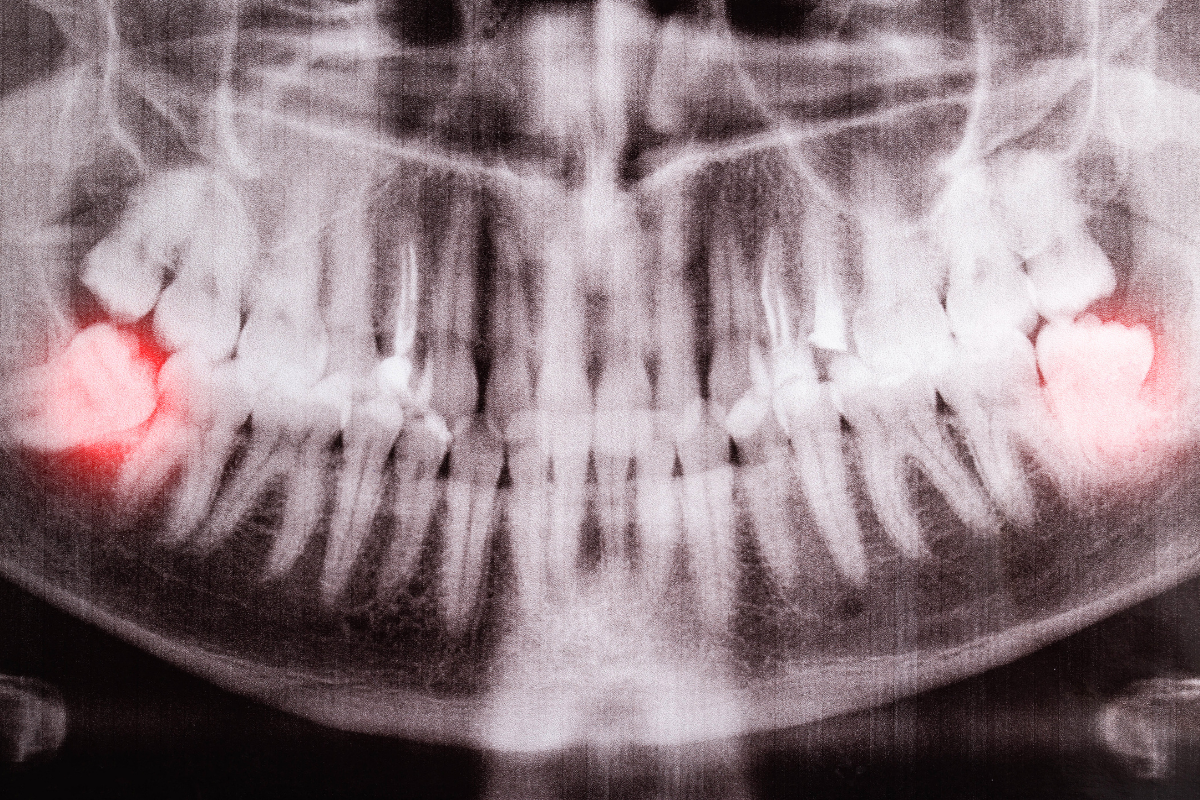
- Changes occur around the tooth that are visible on an X-ray but not obvious to you
This is one reason routine dental examinations can be valuable even when your mouth feels normal.
7 Warning Signs Your Wisdom Teeth May Not Be as Fine as They Seem
1. You Keep Getting Mild Pressure at the Back of Your Jaw
Not all wisdom tooth problems begin with sharp pain.
You may instead notice occasional pressure, tightness, or a dull ache near the back molars. Perhaps it happens when you chew, open your mouth widely, or experience inflammation around the area.
Occasional discomfort does not automatically mean you need an extraction. However, recurring pressure is worth mentioning to your dentist or oral care provider.
A professional examination can help determine whether the sensation is related to the wisdom tooth, surrounding gums, the neighboring molar, or another dental issue.
2. Your Gums Feel Tender Behind Your Last Molar
Take a moment to check the area behind your last visible molar.
If the gums feel swollen, tender, red, or irritated, your wisdom tooth may be partially erupting or difficult to keep clean.
Partially erupted wisdom teeth can create a small area where food and bacteria become trapped. This can make the surrounding gum tissue more vulnerable to inflammation and infection. McKinney dental providers commonly identify gum inflammation, discomfort, bad taste, and jaw stiffness among symptoms associated with problematic wisdom teeth.
If the tenderness keeps returning, do not simply assume it will disappear permanently.
3. You Notice a Bad Taste or Persistent Bad Breath
Bad breath is easy to blame on food, dry mouth, or everyday oral hygiene. But if you repeatedly notice an unpleasant taste or odor coming from the very back of your mouth, your wisdom teeth may deserve attention.
The location of wisdom teeth can make thorough brushing and flossing challenging. If a tooth has only partially erupted, the surrounding area can be even harder to clean.
This does not mean every case of bad breath is caused by wisdom teeth. However, persistent odor combined with tenderness, swelling, or a bad taste around the back molars should not be ignored.
4. Food Frequently Gets Trapped Around the Area
Do you constantly find yourself removing food from behind your last molar?
That may be more than an annoyance.
A wisdom tooth that is difficult to clean can create a recurring food-trapping area. Over time, bacteria can accumulate and contribute to decay or gum inflammation.
If you find yourself repeatedly struggling to clean the same area, tell your dentist. Your local dental practice can examine the tooth’s position and determine whether improved home care is enough or whether additional treatment should be considered.
5. Your Neighboring Molar Feels Sensitive
Sometimes the wisdom tooth itself is not the tooth that causes noticeable symptoms.
A wisdom tooth that grows at an unfavorable angle can affect the second molar directly in front of it. The area between the two teeth can become difficult to clean, increasing the risk of problems affecting either tooth.
This is particularly important because you may assume sensitivity in the back of your mouth is simply another cavity or general tooth sensitivity.
An examination can help identify which tooth is actually responsible.
Dental imaging may also reveal the position of a wisdom tooth and its relationship to neighboring structures before the problem becomes more obvious.
6. Your Jaw Feels Stiff or Opening Your Mouth Feels Different
Changes in how your jaw feels can also be a reason to seek an evaluation.
You might notice:
- Mild jaw stiffness
- Discomfort when opening wide
- Pressure around the back molars
- Difficulty chewing comfortably
- Swelling around the rear gum area
These symptoms can have several possible causes, so they should not automatically be attributed to wisdom teeth. However, when they occur alongside other warning signs, a wisdom tooth evaluation may be appropriate.
7. Your Wisdom Teeth Are Difficult to Clean
Perhaps the biggest warning sign is also one of the easiest to overlook: you simply cannot clean the area well.
If your toothbrush barely reaches the tooth or floss repeatedly gets caught around it, maintaining that area may be difficult over the long term.
A wisdom tooth does not necessarily need to be removed just because it is difficult to reach. Your dentist can assess factors such as its position, eruption pattern, surrounding gum health, and relationship with nearby teeth before recommending treatment.
Can Wisdom Teeth Cause Problems Without Pain?
Yes, a wisdom tooth does not have to hurt for an evaluation to be useful.
Some problems are discovered during routine dental examinations or imaging before a patient develops noticeable symptoms. A tooth may be impacted or positioned in a way that makes cleaning difficult even when there is no significant pain.
This is why using pain as the only reason to seek care can be misleading.
If your wisdom teeth have never been evaluated, or if you have been told they should be monitored, periodic professional assessment can help determine whether their condition has changed.
When Should You Consider Wisdom Teeth Removal?
Not everyone needs their wisdom teeth removed.
The decision depends on your individual situation. Your dentist, periodontist, or oral care provider may recommend removal when a wisdom tooth is creating a current problem or is considered likely to cause significant problems based on its position and condition.
Possible reasons for considering removal include:
- Repeated pain or inflammation
- Recurrent infection around a partially erupted tooth
- Difficulty maintaining adequate oral hygiene
- Decay affecting the wisdom tooth
- Damage or increased risk to a neighboring molar
- An impacted tooth creating oral health concerns
- Gum problems around the wisdom tooth
- Cysts or other abnormalities identified through imaging
Local McKinney providers also emphasize that impacted wisdom teeth can create cleaning difficulties and may affect neighboring teeth.
The key point is that removal should be based on an individual evaluation—not simply on whether the tooth currently hurts.
What Can a Wisdom Teeth Evaluation Tell You?
You cannot always determine the position or condition of a wisdom tooth by looking in the mirror.
During an evaluation, your dental team may assess:
Tooth Position
Is the wisdom tooth upright, angled, partially erupted, or impacted?
Gum Health
Are the gums around the tooth healthy, inflamed, or difficult to keep clean?
Neighboring Teeth
Is the wisdom tooth contacting or putting pressure on the second molar?
Space
Does the tooth have enough room to erupt properly?
Oral Hygiene Access
Can you realistically brush and floss around the tooth effectively?
Dental Imaging
X-rays can provide information that cannot be obtained from a visual examination alone. Imaging may help the dental team understand the tooth’s position and identify concerns involving the surrounding teeth or bone.
At Innovative Dental Specialists of McKinney, we use an individualized approach rather than assuming every wisdom tooth requires the same treatment.
What If Your Wisdom Teeth Are Not Causing Any Problems?
If your wisdom teeth are healthy, functional, and can be maintained properly, removal may not necessarily be the immediate recommendation.
Your dental team may instead recommend monitoring them during routine examinations.
That approach can involve watching for:
- Changes in tooth position
- New gum inflammation
- Decay
- Changes affecting neighboring teeth
- Difficulty maintaining oral hygiene
- New pain or swelling
Monitoring does not mean ignoring your wisdom teeth. It means keeping track of their condition so that changes can be addressed appropriately.
Why You Shouldn’t Wait for Severe Wisdom Tooth Pain
One of the biggest mistakes patients make is assuming that treatment is only necessary once the pain becomes severe.
By that point, an existing dental problem may have progressed.
For example, a tooth that is difficult to clean can develop problems gradually. A partially erupted wisdom tooth may repeatedly irritate the surrounding gum tissue. An impacted tooth may remain hidden while its position creates concerns for nearby structures.
This is why an evaluation can be worthwhile even when your symptoms seem minor.
If something is wrong, finding it earlier allows you to discuss your options before the situation becomes more disruptive.
How Innovative Dental Specialists of McKinney Can Help
At Innovative Dental Specialists of McKinney, we understand that wisdom teeth decisions are not always straightforward.
Some patients want to know whether they really need an extraction. Others have experienced occasional symptoms and want to understand what is causing them. Some simply want to confirm that their wisdom teeth are healthy and can continue to be monitored.
Our services focus on evaluating your individual oral health needs and helping you understand your treatment options.
We provide care designed around factors such as:
- Your symptoms and dental history
- The position of your wisdom teeth
- The condition of surrounding gums and teeth
- Your ability to maintain proper oral hygiene
- Findings from dental imaging
- Your overall oral health goals
Rather than relying on symptoms alone, we can assess the bigger picture and explain whether monitoring, treatment, or wisdom teeth removal may be appropriate.
When Should You Schedule an Evaluation?
Consider contacting a dental clinic if you notice recurring changes around your wisdom teeth, particularly if you experience:
- Repeated pain or pressure
- Swollen or tender gums
- Persistent bad taste or odor
- Food repeatedly becoming trapped
- Jaw stiffness
- Difficulty opening your mouth
- Sensitivity around the neighboring molar
- Difficulty cleaning the area
You should also seek prompt dental attention for significant swelling, fever, pus, severe pain, or other symptoms suggesting an infection.
If you are unsure whether your wisdom teeth are actually causing a problem, that uncertainty itself is a good reason to ask for professional guidance.
Frequently Asked Questions
Do wisdom teeth always need to be removed?
No. Some wisdom teeth can remain healthy and functional. Your dental professional can evaluate their position, condition, surrounding tissues, and cleanability before recommending removal or continued monitoring.
Can an impacted wisdom tooth cause problems without pain?
Yes. An impacted tooth may not produce obvious symptoms. Dental examinations and imaging can help identify its position and determine whether it is affecting nearby teeth or tissues.
How do I know if my wisdom teeth are difficult to clean?
If your toothbrush or floss cannot easily reach the area, food frequently gets trapped, or the gums repeatedly become irritated, your wisdom teeth may be difficult to maintain. An examination can help determine whether their position is contributing to the problem.
Should I wait until my wisdom teeth hurt before seeing a dentist?
No. Pain is not the only sign of a wisdom tooth problem. Regular examinations can help identify changes before they become more noticeable.
Where can I get wisdom teeth evaluated in McKinney?
Innovative Dental Specialists of McKinney provides personalized dental evaluations for patients who have concerns about their wisdom teeth. If you are experiencing symptoms or simply want to understand whether your wisdom teeth should be monitored or removed, our team can help you explore the appropriate next step.
Don’t Assume Your Wisdom Teeth Are Fine – Find Out
Wisdom teeth can be surprisingly quiet when problems are developing. Mild pressure, recurring gum tenderness, food trapping, difficulty cleaning, or sensitivity around nearby teeth may be easy to dismiss, but these changes deserve attention when they persist or return.
You do not have to wait for severe pain to determine whether your wisdom teeth are healthy.
If you are searching for wisdom teeth removal McKinney or simply want to know whether your wisdom teeth need professional attention, Innovative Dental Specialists of McKinney can evaluate your situation and explain your options.
Think something feels different? Schedule a wisdom teeth evaluation and get answers before a small concern becomes a bigger dental problem.


New Patients Appointments Welcome!
