



Periodontal disease, commonly known as gum disease, is a serious oral health issue that affects the gums and supporting structures of your teeth. If left untreated, it can lead to tooth loss and other significant health problems. The good news is that gum disease is largely preventable with proper oral care and lifestyle habits. Here are five key tips to help you prevent periodontal disease and maintain a healthy smile.
1. Maintain a Consistent Oral Hygiene Routine
The foundation of preventing periodontal disease lies in a consistent and thorough oral hygiene routine. This includes brushing your teeth at least twice a day with fluoride toothpaste and flossing daily to remove plaque from between your teeth and under the gumline. Plaque buildup is a leading cause of gum disease, so it’s essential to keep your teeth and gums clean.
Using an antimicrobial mouthwash can also help reduce bacteria that lead to gum inflammation. Regular cleaning helps keep your gums healthy and minimizes the risk of gum disease.
2. Schedule Regular Dental Checkups
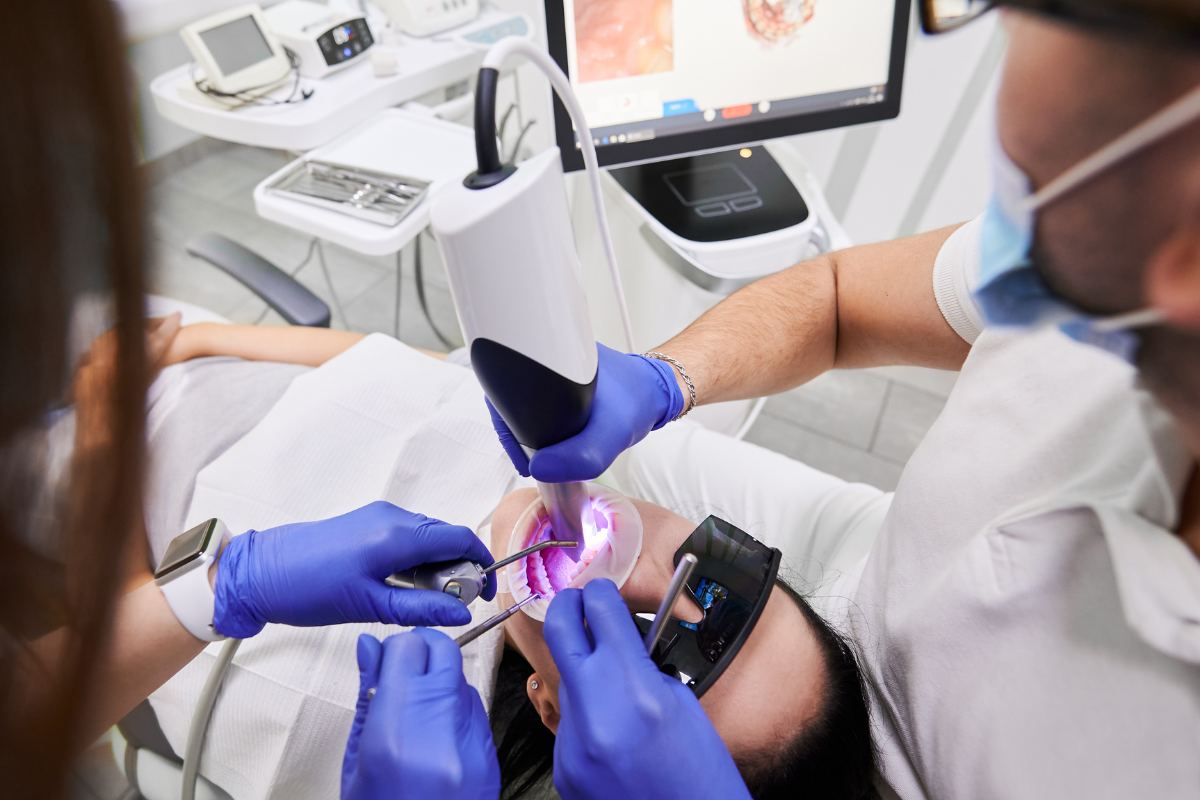
Visiting your dentist regularly is crucial in preventing periodontal disease. Professional cleanings can remove tartar buildup that brushing and flossing can’t eliminate. Your dentist will also be able to detect early signs of gum disease and recommend appropriate treatments before the condition worsens.
If you’re in the McKinney area and are already experiencing signs of gum disease, such as red, swollen, or bleeding gums, consider scheduling an appointment for Gum Disease Treatment McKinney. Early intervention can prevent the progression of gum disease and protect your smile.
3. Avoid Smoking and Tobacco Use
Smoking and tobacco use are significant risk factors for developing periodontal disease. Tobacco weakens your immune system, making it harder for your body to fight off infections, including gum infections. It also slows down healing, making it more difficult to recover from gum disease.
Quitting smoking or avoiding tobacco products altogether can greatly reduce your risk of developing gum disease and improve your overall oral health.
4. Eat a Healthy Diet
What you eat has a direct impact on your oral health. A diet rich in vitamins and minerals, particularly calcium and vitamin C, can help strengthen your gums and teeth. Calcium supports bone health, while vitamin C promotes healthy gum tissue and helps repair damage caused by gum inflammation.
Avoid sugary foods and drinks, which can contribute to plaque buildup and increase the risk of gum disease. Instead, focus on nutrient-dense foods like leafy greens, dairy products, lean proteins, and fruits to keep your gums healthy.
5. Manage Stress Levels
Stress can negatively impact your oral health by weakening your immune system, making it harder for your body to fight off infections, including gum disease. Additionally, stress may lead to habits like teeth grinding or clenching, which can exacerbate gum problems.
Incorporating stress-reduction techniques such as meditation, exercise, or deep-breathing exercises into your daily routine can help lower your stress levels and improve your body’s ability to fight off gum disease.
Conclusion
Preventing periodontal disease requires a proactive approach to oral hygiene and overall health. By following these five tips—maintaining a consistent oral care routine, scheduling regular dental checkups, avoiding tobacco, eating a balanced diet, and managing stress—you can protect your gums from disease and maintain a healthy smile.
If you notice any signs of gum disease or are due for a dental cleaning, don’t wait. Early detection and treatment are key to preventing serious gum issues. For comprehensive care and Gum Disease Treatment McKinney, contact your local dental professionals to keep your gums in great shape.



New Patients Appointments Welcome!
