


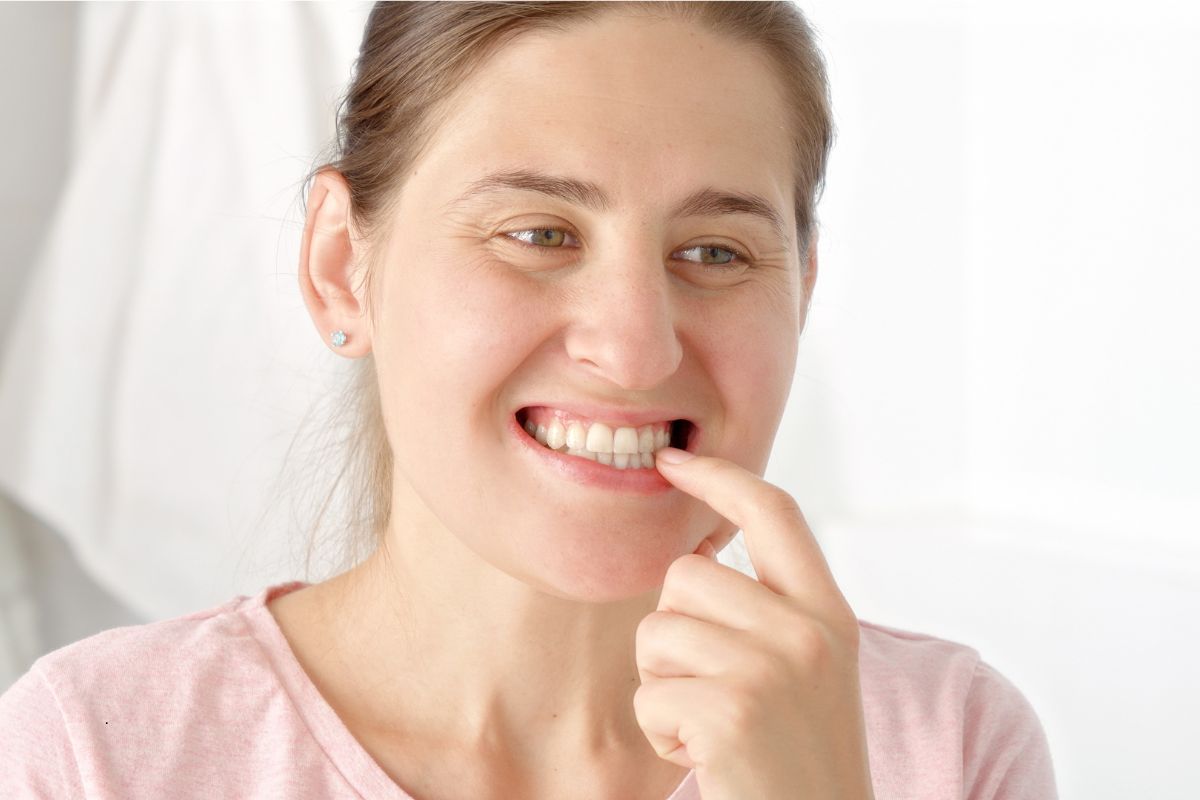
Receding gums can do more than affect the look of your smile—they can lead to tooth sensitivity, higher risk of decay, and eventual tooth loss if untreated. Gum grafting has long been the go-to solution, but many patients used to avoid it because of the discomfort and long recovery times.
Fortunately, modern dentistry has introduced several new techniques that make gum grafting more efficient, comfortable, and successful. At Innovative Dental Specialists of McKinney, our periodontists have seen firsthand how these advancements are transforming patient outcomes.
Why Gum Grafting Is Needed
When gum tissue pulls away from the teeth, it exposes the root surface. This can make teeth sensitive to hot and cold, create an uneven gumline, and allow bacteria to build up more easily. Gum grafting replaces the lost tissue, covering the roots and protecting your teeth from further damage.
In the past, traditional gum grafting often meant taking tissue from the roof of the mouth and stitching it to the gumline. While effective, this approach could involve significant discomfort and a longer healing period. Modern techniques now offer patients a better experience.
Advancements That Make Gum Grafting Better
1. Minimally Invasive Techniques
Today’s periodontists often use less invasive procedures that minimize surgical trauma. These approaches involve smaller incisions, which means less bleeding, less swelling, and faster recovery times.
2. Donor Tissue and Biomaterials
Instead of harvesting tissue from the patient’s palate, many procedures now use donated tissue or specialized regenerative materials. This eliminates the need for a second surgical site, reducing pain and speeding up healing.
3. Pinhole Surgical Technique (PST)
One of the most exciting innovations is the pinhole surgical technique. This method uses a tiny pinhole opening in the gum to loosen tissue and reposition it over exposed roots. There are no scalpels or sutures, and recovery is significantly quicker than traditional methods.
4. Advanced Suturing and Healing Aids
When stitches are necessary, periodontists use advanced microsurgical techniques that create a more natural-looking result. Some procedures also incorporate growth factors or platelet-rich plasma to accelerate healing and encourage tissue regeneration.
5. Improved Comfort and Anesthesia Options
Modern local anesthesia, combined with sedation dentistry when needed, makes gum grafting virtually painless during the procedure. Many patients are surprised by how comfortable the entire experience can be.
Benefits of These Modern Approaches
The latest innovations in gum grafting are not just about convenience—they deliver real clinical benefits:
- Shorter recovery time – Many patients return to normal activities within a day or two.
- Less discomfort – With fewer or no donor sites, post-procedure soreness is significantly reduced.
- Better aesthetics – New techniques create a more even, natural-looking gumline.
- Long-term protection – Covering exposed roots helps prevent cavities and tooth loss.
- Greater predictability – Success rates have improved, giving patients confidence in lasting results.
When to See a Periodontist
If you notice your teeth looking longer than before, have increased sensitivity near the gumline, or see visible recession, it’s time to consult a periodontist in McKinney. Early evaluation can prevent further tissue loss and make treatment easier.
Conclusion
Gum grafting has come a long way from the traditional, invasive procedures of the past. Today’s techniques are less painful, promote faster recovery, and produce natural-looking results. Whether you need coverage for one tooth or your entire smile, there’s likely a modern solution that fits your needs.
Take the Next Step
\If you’ve been putting off gum grafting because you were worried about pain or downtime, now is the time to explore your options. Schedule a consultation with Innovative Dental Specialists of McKinney to discuss the latest treatment approaches and find the best plan for restoring your gum health. Your smile—and your future oral health—will thank you.
Related Articles

New Patients Appointments Welcome!
