


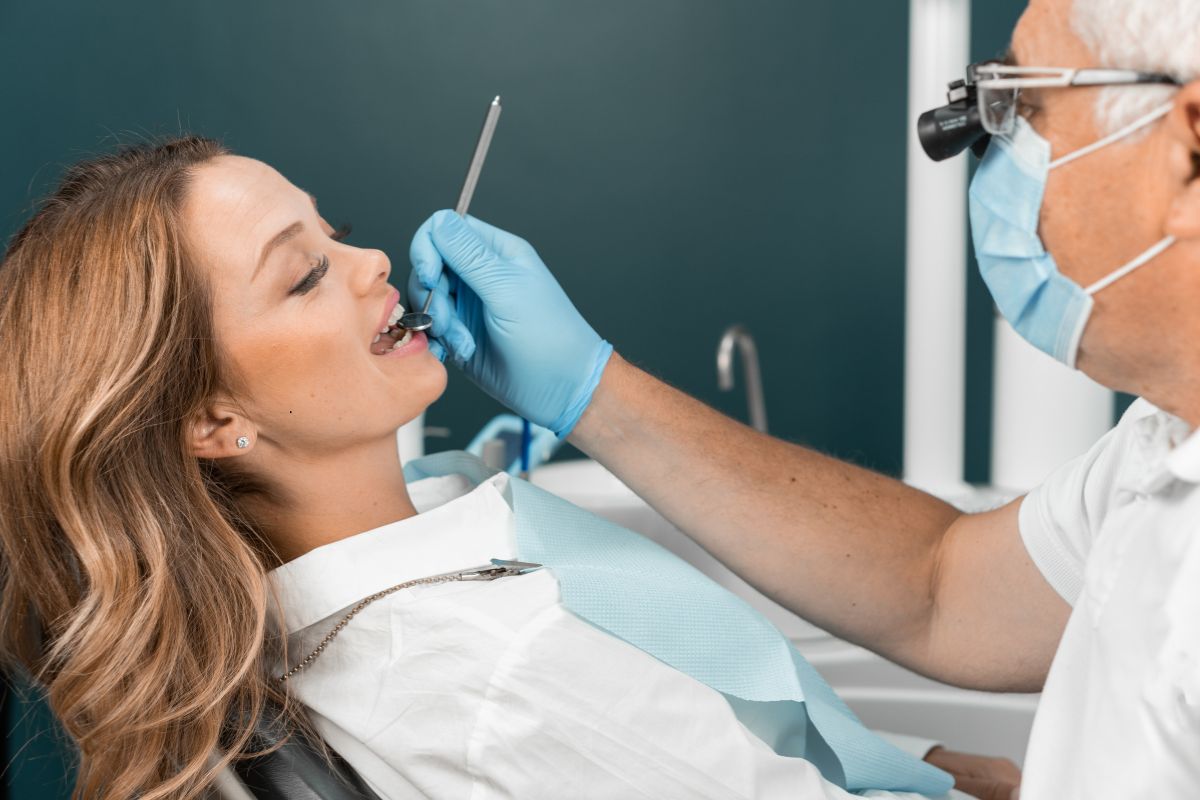
The final teeth that erupt in the human mouth are the third molars. These teeth typically appear between the late teens and early twenties. For some, they cause no problems at all. For others, their arrival signals the beginning of dental complications, often leading to discussions about extraction. Whether removing these molars is necessary depends on several factors, including their position, condition, and impact on overall oral health. If you are keen to know more, continue reading this blog till the end.
The Role of Third Molars in Evolution
Historically, third molars played a critical role in human survival. Early diets consisted of rough, unprocessed foods that wore down teeth rapidly. These additional molars provided essential backup for chewing and grinding tough food. Today, advancements in cooking and dental care have made them largely redundant.
To accommodate these additional teeth, humans frequently lack the necessary jaw space. As a result, third molars frequently erupt improperly or remain impacted. Impacted third molars—those that fail to fully emerge—can create numerous complications, including pain, misalignment, and infection.
Why do Wisdom Teeth Cause Problems?
Inadequate jaw space is the primary reason third molars become problematic. Limited room forces them to grow at angles, often pressing against adjacent teeth or remaining trapped under the gumline. Impacted or partially erupted can create openings for bacteria, leading to conditions such as:
- Pericoronitis: This condition involves inflammation and infection of the gum tissue surrounding partially erupted teeth.
- Cyst Formation: Fluid-filled sacs can develop near impacted molars, potentially causing bone damage and harming nearby teeth.
- Decay: Crowded third molars are hard to clean, making them prone to cavities.
- Gum Disease: Plaque accumulation is more likely when teeth are misaligned or inaccessible for brushing and flossing.
A qualified periodontist in McKinney will assess these risks to determine whether extraction is the best course of action.
Determining the Need for Removal
Not every wisdom tooth requires extraction. A thorough examination, including digital X-rays and clinical evaluation, helps determine the necessity. Dentists consider factors such as:
– The alignment of the molars.
– The gap that exists in the jaw.
– The overall health of the surrounding gums and teeth.
If a wisdom tooth erupts cleanly and without discomfort, removal may not be necessary. However, when signs like swelling, jaw pain, or recurrent infections occur, prompt intervention is essential. An experienced McKinney periodontist can evaluate your situation and recommend the most appropriate treatment.
The Best Time for Extraction
Timing plays a critical role in the success of third molar removal. Many oral surgeons advocate for early extraction, typically during a person’s late teens or early twenties. At this stage, the roots are still developing, and the surrounding bone is less dense, which simplifies the procedure and reduces recovery time.
Delaying removal can lead to more complicated extractions as roots grow longer and bone density increases. In addition, retaining problematic molars can result in damage to adjacent teeth, requiring more extensive dental work later.
Alternatives to Extraction
In certain cases, extracting these teeth might not be necessary. When third molars are asymptomatic and properly aligned, dentists may recommend routine monitoring instead of immediate surgery. Preventative measures, such as professional cleanings and targeted oral care, can help maintain their health.
However, neglecting it can exhibit signs of trouble and can lead to severe issues, including infection and structural damage. Regular dental checkups with a trusted dentist are crucial for staying ahead of potential problems.
Managing Short-Term Needs with Long-Term Care
The decision to remove wisdom teeth should always be made on a case-by-case basis. By consulting a skilled periodontist, you gain access to expert insights tailored to your unique oral health needs. They will carefully weigh the risks and benefits, ensuring you make an informed choice.
Removing problematic molars not only alleviates discomfort but also prevents long-term complications. Your periodontist will provide guidance and care to protect your smile for years to come.
Whether or not to remove third molars depends on their impact on your overall oral health. A professional specializing in wisdom teeth removal in McKinney can provide a comprehensive evaluation, helping you decide the best path forward. Their expertise ensures optimal outcomes, offering lasting peace of mind and safeguarding your smile.


New Patients Appointments Welcome!
