


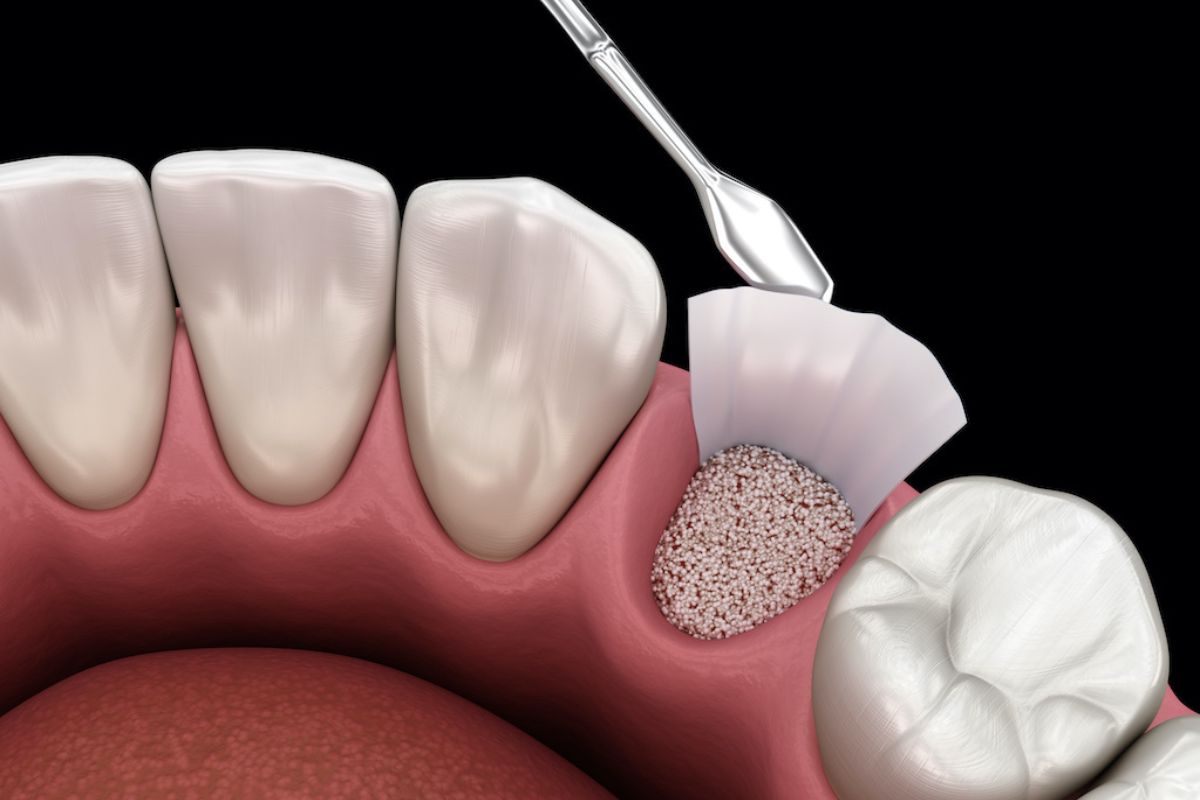
If you’ve had a dental bone graft but aren’t quite ready for an implant, you may wonder how long the graft will last. This is a common question for patients who need to delay implant placement due to health, finances, or other personal reasons. While bone grafts offer a valuable foundation for future dental implants, they don’t last forever without proper stimulation. Understanding how long a bone graft can remain viable without an implant is key to making informed decisions about your oral health.
What Is a Dental Bone Graft?
A dental bone graft is a procedure used to rebuild or reinforce jawbone that has been weakened by tooth loss, gum disease, or trauma. It’s commonly performed before dental implants to ensure there’s enough bone to support them. During the procedure, a periodontist may use natural or synthetic bone material to encourage new bone growth in the jaw. Over time, your body replaces the graft with your own bone, restoring strength and volume.
Why Bone Grafting Is Sometimes Done Before Implants
In some cases, dental implants can be placed immediately after a bone graft. But often, healing takes several months, and patients may need to wait before moving forward with implant surgery. Other times, patients receive a bone graft to preserve bone structure after a tooth extraction—even if they aren’t ready for an implant right away.
Regardless of the reason, it’s important to know that time matters when it comes to graft longevity.
How Long Can a Bone Graft Last Without an Implant?
The durability of a bone graft without an implant depends on several factors, including:
1. Type of Graft Used
Some graft materials, such as synthetic options, are absorbed more quickly than natural bone. Autografts (from your own body) tend to be the most stable over time. Your periodontist in McKinney, TX, will choose the best option based on your needs.
2. Location of the Graft
Grafts in the upper jaw (especially the sinus area) may degrade faster than those in the lower jaw due to bone density differences and pressure from chewing.
3. Oral Health and Bone Quality
Patients with gum disease or low bone density may experience faster graft resorption. Good oral hygiene and routine dental visits help maintain graft health.
4. Time Since Grafting
Generally, a bone graft can remain stable for 6 to 12 months without an implant. After this period, the graft may begin to resorb if not stimulated by a dental implant. In some cases, it may even require a second graft if too much bone volume is lost.
Risks of Delaying Dental Implants After Bone Grafting
Delaying implant placement too long after bone grafting in McKinney may lead to several complications:
- Bone Loss: Without the mechanical stimulation of a tooth or implant, the jawbone begins to shrink over time.
- Reduced Implant Success: A degraded graft may not support an implant, requiring additional surgery.
- Gum Tissue Collapse: The soft tissues over the graft may recede, altering gum shape and making implant placement more complex.
How to Preserve Bone Grafts Until Implant Placement
If you’re not quite ready for an implant, there are ways to support the health of your bone graft:
- Practice Excellent Oral Hygiene: Brush twice daily, floss, and use any medicated rinses your periodontist recommends.
- Avoid Smoking: Smoking reduces blood flow and slows healing, increasing the risk of graft failure.
- Stick to Follow-Up Appointments: Your dental specialist can monitor bone levels and recommend the best timing for implant placement.
- Eat a Balanced Diet: Nutrients like calcium and vitamin D help promote bone health during recovery.
Conclusion
Bone grafting plays a vital role in restoring lost bone and preparing for dental implants, but it has a time-sensitive window. Without an implant, a graft typically remains viable for up to a year, but this can vary depending on your overall health, the graft material used, and oral hygiene. If too much time passes, additional procedures may be needed before placing an implant.
If you’ve recently had a bone graft or are planning one and want to understand your next steps, schedule a consultation with the experts at Innovative Dental Specialists of McKinney. Our team will help you plan the right timeline for implant success and long-term oral health.

New Patients Appointments Welcome!
