


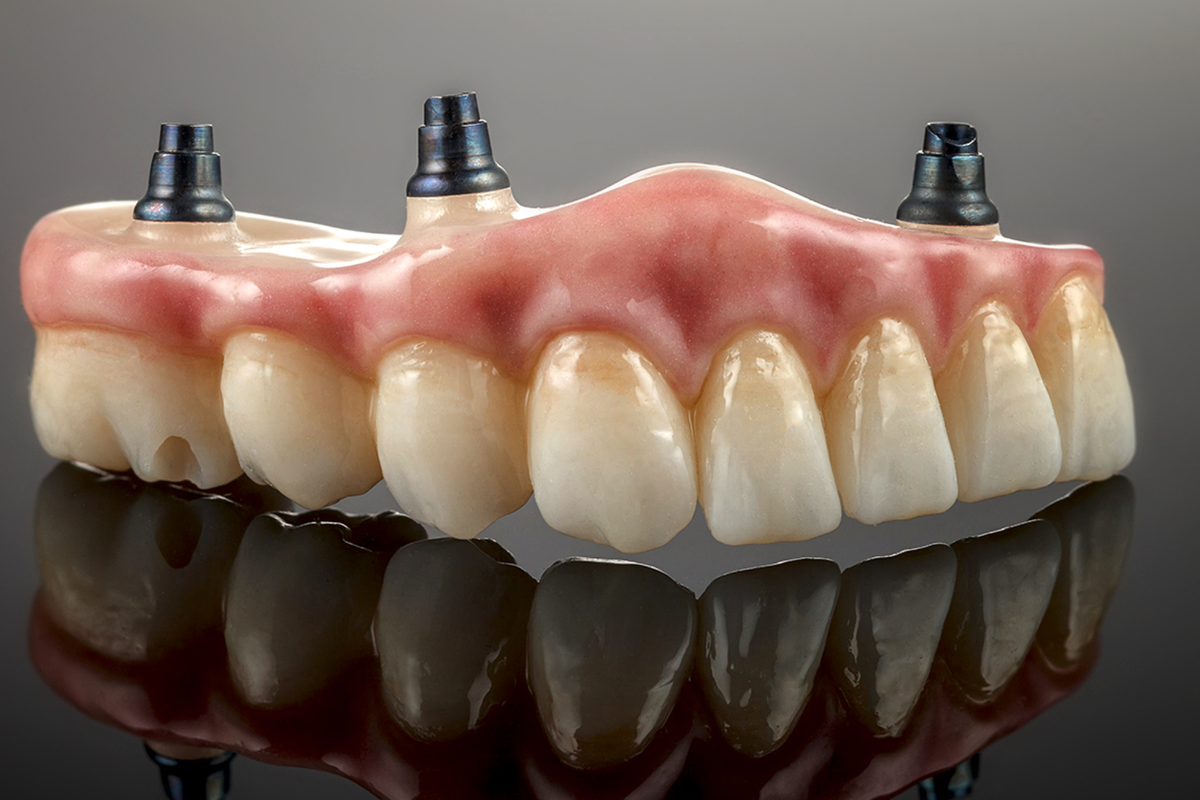
Losing most or all of your teeth can change much more than the appearance of your smile. It can make eating uncomfortable, affect speech, and make everyday activities feel less natural. For people looking for a fixed alternative to traditional dentures, full-arch implant treatment can provide a stable foundation for replacement teeth.
One of the biggest questions patients have before choosing treatment is simple: How long will it last? Understanding the expected lifespan of the implants, the replacement teeth attached to them, and the factors that can affect long-term results can help you make a more informed decision.
For patients researching all on 4 implants mckinney, longevity is an important part of the conversation. All-on-4 treatment is designed as a long-term tooth replacement solution, but it is not completely maintenance-free. The implants and the prosthetic teeth have different lifespans, and your oral health, habits, and ongoing professional care can all influence how well your treatment performs over time.
How Long Do All-on-4 Implants Last?
The implant posts used in All-on-4 treatment are designed to provide long-term support. With proper placement, healthy surrounding tissues, and good maintenance, dental implants can remain functional for decades, and some may last for the rest of a patient’s life.
Clinical research has demonstrated strong long-term outcomes for All-on-4 treatment. One 10-year study of mandibular All-on-4 treatment reported an implant-related cumulative success rate of 94.8% and a prosthesis survival rate of 99.2% at up to 10 years.
However, it is important to understand that an All-on-4 restoration has more than one component.
The implants
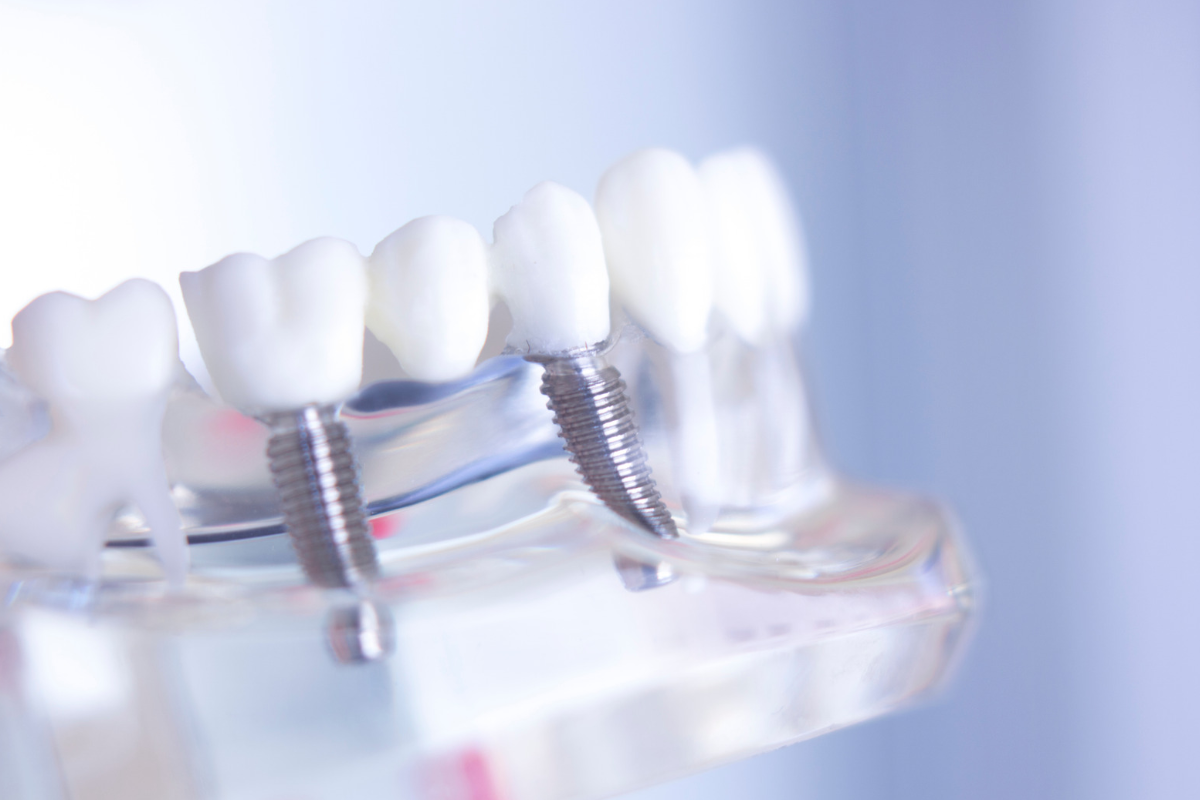
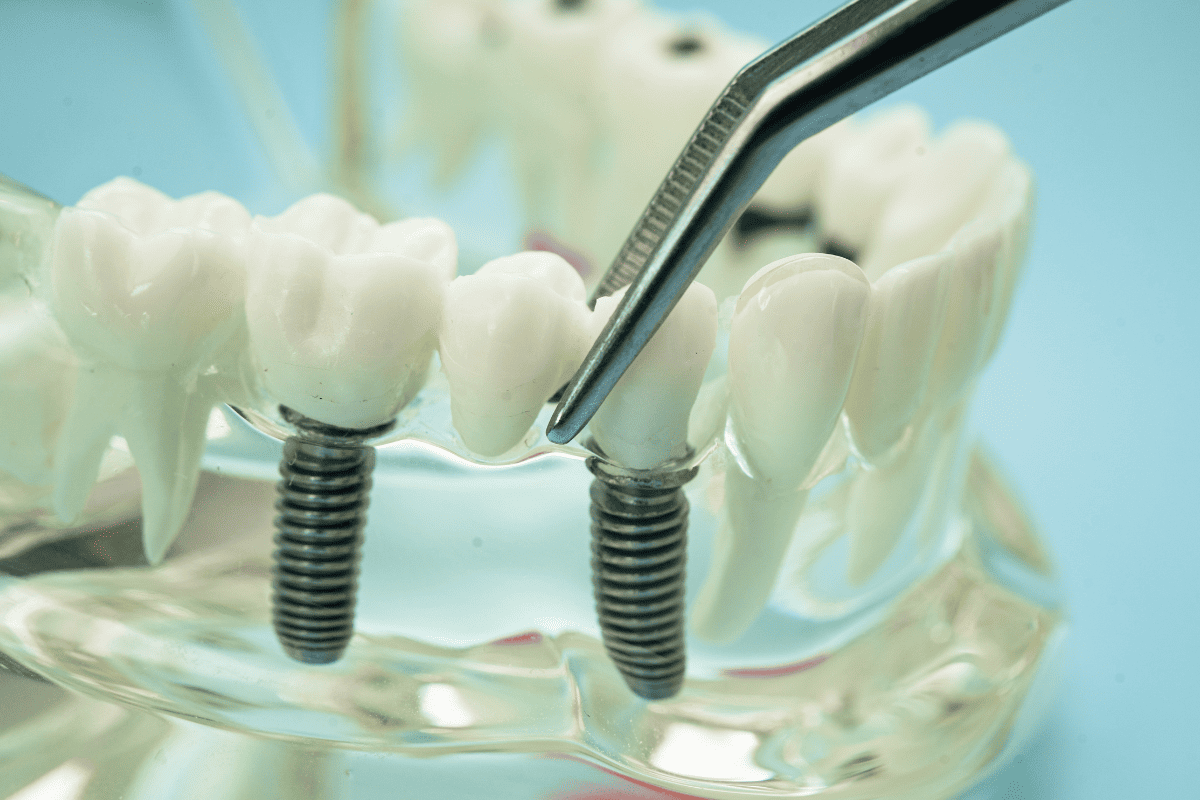
The four implant posts are placed into the jawbone and act as artificial tooth roots. Over time, the bone can integrate with the implant surface through a process called osseointegration. These implants form the foundation that supports the full-arch restoration.
The prosthetic teeth
The visible replacement teeth are attached to the implants. Unlike the implant posts, the prosthetic arch is exposed to everyday chewing forces, food, and normal wear.
Because of this, the prosthesis may eventually need repair, adjustment, or replacement even when the underlying implants remain healthy.
This distinction is important when someone asks, “Do All-on-4 implants last a lifetime?” The implant foundation may last for decades, while the replacement teeth may require attention sooner.
Why the Prosthetic Teeth May Need Replacement
Your All-on-4 restoration is designed to handle everyday function, but it is still subject to wear.
Every time you chew, bite, or clench your teeth, forces are transferred through the prosthetic teeth to the supporting implants. Over many years, this can lead to normal wear.
The exact lifespan varies from person to person and depends on factors such as:
- The material used for the prosthesis
- Your bite and chewing patterns
- Teeth grinding or clenching
- Oral hygiene
- Diet and habits
- The health of the gums and supporting bone
- Regular professional maintenance
Some patients may need a new prosthetic arch after years of use, while others may experience repairs or adjustments along the way.
Replacing a worn prosthesis does not automatically mean the implants have failed. In many cases, the existing implants can continue supporting a new restoration after the appropriate evaluation.
What Can Affect the Lifespan of All-on-4 Implants?
Choosing a long-term treatment is only the beginning. Several factors can influence how well your All-on-4 restoration performs over the years.
1. Gum and Bone Health
Healthy gum tissue and supporting bone are essential for implant stability.
Although an implant cannot develop a traditional cavity like a natural tooth, the tissues around it can still develop inflammation or infection. Conditions affecting the gums and supporting bone can threaten the stability of an implant if they are not addressed.
This is one reason periodontal health is especially important when considering full-arch implant treatment.
At Innovative Dental Specialists of McKinney, our team evaluates the health of the gums, bone, and surrounding oral structures when planning implant treatment.
2. Your Oral Hygiene Routine
An implant-supported restoration still needs daily cleaning.
Food particles and bacterial plaque can accumulate around the prosthetic teeth and gumline. Without proper hygiene, inflammation may develop around the implant sites.
Your daily routine may include:
- Brushing as directed by your dental professional
- Cleaning around and underneath the prosthetic arch
- Using an interdental cleaning method recommended for your restoration
- Using a water flosser when appropriate
- Attending regular professional cleanings and examinations
Good home care works together with professional maintenance to protect your long-term results.
3. Teeth Grinding and Clenching
Do you wake up with a sore jaw or frequently notice yourself clenching your teeth?
Bruxism, or chronic teeth grinding and clenching, can place excessive force on dental restorations and implants. Over time, these forces may contribute to chipped or worn prosthetic teeth, loose components, or other complications.
If you grind your teeth, tell your dentist before and after implant treatment. Depending on your individual needs, a custom nightguard may help protect your restoration.
4. Smoking and Tobacco Use
Tobacco use can interfere with healing and negatively affect the tissues surrounding dental implants.
Patients who smoke should discuss their tobacco use with their implant provider. Reducing or eliminating tobacco exposure can support better oral and overall health and may improve the environment around dental implants.
5. Regular Dental Visits
Long-term implant care should not stop once your new teeth are in place.
Routine appointments allow your dental team to monitor:
- Implant stability
- Gum health
- Bone support
- Prosthetic wear
- Bite changes
- Loose or damaged components
- Signs of inflammation or infection
Early detection can make it easier to address a developing problem before it becomes more complicated.
Can All-on-4 Implants Fail?
Like any dental treatment, All-on-4 implants are not guaranteed to last forever.
Implant complications can occur, particularly when there are problems with oral hygiene, gum health, excessive biting forces, smoking, or other factors that affect healing and long-term stability.
However, failure of one component does not necessarily mean the entire treatment has to be replaced.
The appropriate response depends on what has happened and which component is affected. Your dentist or periodontist may evaluate the implant, surrounding tissues, prosthesis, and bite before recommending treatment.
That is why regular follow-up care is so valuable. A patient may not always notice a developing issue on their own.
What Happens If the Prosthetic Teeth Wear Out?
One of the most reassuring things to understand about All-on-4 treatment is that the implant foundation and the prosthetic teeth are not the same thing.
If the prosthetic arch becomes significantly worn, damaged, or outdated, your dental provider can determine whether repair, adjustment, or replacement is appropriate.
The implants themselves may remain stable and usable.
This can make long-term maintenance different from replacing an entire set of traditional removable dentures. Instead of starting completely over, your dental team can evaluate the existing foundation and determine what needs to be addressed.
How Can You Help Your All-on-4 Implants Last Longer?
While no treatment can come with an absolute lifetime guarantee, there are practical steps you can take to support long-term success.
Follow a Consistent Home-Care Routine
Clean your teeth and the areas around your implant-supported restoration every day. Your dental team can demonstrate the best techniques for your specific prosthesis.
Avoid Using Your Teeth as Tools
Do not use your prosthetic teeth to open packages, bite through hard objects, or perform tasks they were not designed for.
Hard foods and objects can place unnecessary stress on the restoration.
Address Grinding Early
If you notice clenching, grinding, jaw soreness, headaches, or unusual wear, speak with your dentist. Managing excessive biting forces can help protect your restoration.
Keep Your Follow-Up Appointments
Professional examinations allow your oral care provider to monitor your implants and restoration over time.
Maintain Your Overall Oral Health
Healthy gums and supporting tissues remain important even after you have received implant-supported teeth. Any signs of inflammation, bleeding, swelling, discomfort, or changes in the way your restoration feels should be discussed with your dental professional.
Why Long-Term Planning Matters in McKinney
All-on-4 treatment should not be viewed simply as a procedure that replaces missing teeth. It is a long-term oral health plan.
When planning treatment, an implant provider needs to consider the condition of your jawbone, gum health, bite, remaining teeth, overall oral health, and the type of restoration that will best support your needs.
Innovative Dental Specialists of McKinney provides implant-focused care in McKinney, Texas, with treatment planning designed around each patient’s individual situation. Our practice offers All-on-4 treatment for patients who need full upper or lower restoration, and our approach includes evaluation and planning before implant placement.
As a periodontal-focused dental practice, we also understand the importance of maintaining healthy gum and bone tissues around dental implants. This is particularly important because periodontal health can influence the long-term environment supporting an implant.
When Should You Talk to an Implant Dentist?
If you are considering All-on-4 treatment, you do not have to wait until you have lost every tooth to start the conversation.
You may benefit from an implant consultation if you are:
- Missing most or all teeth in an arch
- Struggling with loose or uncomfortable dentures
- Dealing with severely damaged or failing teeth
- Having difficulty chewing normally
- Looking for a fixed full-arch restoration
- Concerned about the long-term effects of extensive tooth loss
- Interested in understanding whether All-on-4 is appropriate for your situation
During a consultation, your dental provider can evaluate your oral health and discuss your available treatment options.
Frequently Asked Questions
How many years can All-on-4 implants last?
The implant posts can potentially remain functional for decades with appropriate placement, healthy supporting tissues, and consistent care. The prosthetic teeth may need repair, adjustment, or replacement sooner because they experience everyday chewing forces. Individual results vary.
Do All-on-4 implants need to be replaced?
Not necessarily. The implant posts are designed as a long-term foundation. However, the prosthetic teeth attached to them can experience normal wear over time. If the restoration becomes damaged or worn, your dental provider can determine whether it should be repaired or replaced.
Can I eat normally with All-on-4 implants?
After healing and once your dental professional confirms that your restoration is ready for normal function, All-on-4 can provide stable support for everyday eating. However, extremely hard foods and habits such as chewing ice can damage prosthetic teeth and should be avoided.
What can cause All-on-4 implants to fail?
Several factors can contribute to complications, including poor oral hygiene, inflammation around implants, inadequate supporting tissues, smoking, excessive biting forces, and certain health conditions. Regular professional monitoring can help identify potential problems early.
How do I make my All-on-4 implants last longer?
Follow your dental provider’s cleaning instructions, maintain healthy gums, avoid tobacco, manage teeth grinding, avoid damaging habits, and attend recommended follow-up appointments. Long-term maintenance is an important part of protecting both the implants and the prosthetic restoration.
Protect Your Investment With the Right Long-Term Care
All-on-4 treatment is designed to provide a stable, long-term solution for people who need full-arch tooth replacement. The implant posts can potentially remain functional for many years, while the prosthetic teeth may require maintenance or replacement as normal wear occurs. Long-term success depends on more than the procedure itself; it also depends on the health of your gums and bone, daily hygiene, lifestyle habits, and professional care.
If you are researching all on 4 implants in McKinney, the next step is to understand what your own mouth needs rather than relying on a one-size-fits-all answer.
At Innovative Dental Specialists of McKinney, we provide personalized implant evaluation and full-arch treatment planning to help patients understand their options. Our team can assess your oral health, discuss your goals, and determine whether All-on-4 is an appropriate solution for your smile.
Schedule a consultation with Innovative Dental Specialists of McKinney in McKinney, Texas, to take the next step toward a stable, long-term smile.


New Patients Appointments Welcome!
