


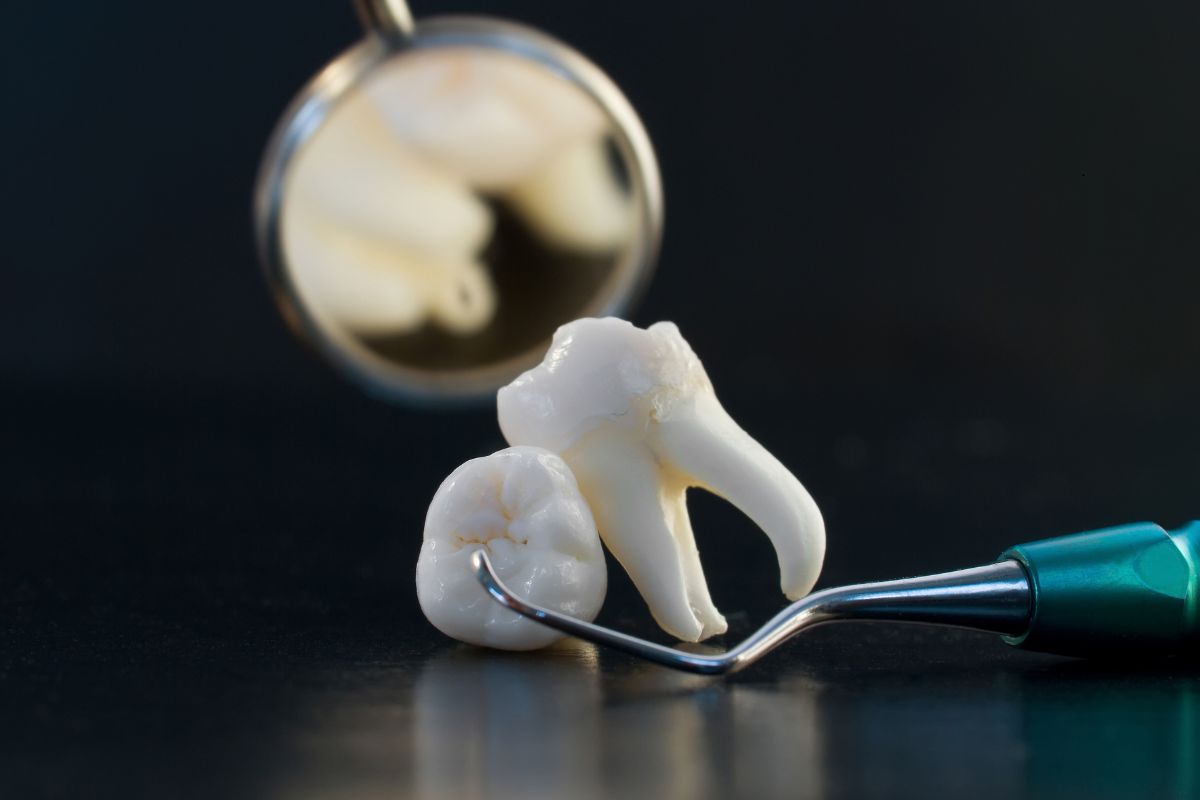
Wisdom teeth removal is a common dental procedure that many individuals go through in their late teens or early twenties. These third molars, which usually erupt in the back of the mouth, can cause issues if they don’t have enough room to grow or come in at an awkward angle. If you or a loved one is preparing for wisdom teeth removal, it’s important to understand the process and what to expect. Here are five essential facts that can help guide you through the experience.
1. Why Wisdom Teeth Removal is Necessary
Not everyone needs their wisdom teeth removed, but for many, it’s a necessary procedure to maintain oral health. Wisdom teeth, if left untreated, can lead to several issues, such as:
- Crowding: As your wisdom teeth emerge, they can push against neighboring teeth, causing them to shift out of alignment.
- Infection: Since these teeth are located in the back of your mouth, they are harder to clean, which can lead to bacteria buildup, infections, and cavities.
- Impaction: If a wisdom tooth is impacted (stuck under the gum or growing at an angle), it can cause discomfort, swelling, and even damage to adjacent teeth.
Removing these teeth can prevent future problems such as pain, infections, and misalignment of other teeth. If your periodontist in McKinney recommends wisdom teeth removal, it’s likely to avoid complications down the road.
2. What to Expect During the Procedure
Knowing what happens during the procedure can help ease any anxiety you might feel. Wisdom teeth removal is typically done by an oral surgeon, and the level of sedation varies depending on the complexity of the procedure.
- Local Anesthesia: This numbs the area around the wisdom teeth, so you won’t feel pain, but you’ll be awake during the procedure.
- Sedation Anesthesia: You’ll be in a relaxed state and may not remember much of the procedure, though you’ll still be awake.
- General Anesthesia: For more complex cases, general anesthesia may be used, rendering you completely unconscious during the procedure.
The removal process involves making a small incision in the gum tissue to expose the tooth and bone. If necessary, the tooth may be divided into smaller pieces for easier removal. Once the teeth are removed, the incision is stitched up, and gauze is placed to control bleeding.
The procedure typically lasts less than an hour, and patients can often go home the same day to recover.
3. Recovery Time and Care
The recovery process after wisdom teeth removal is crucial for healing and preventing complications. Here are some tips for a smooth recovery:
- Rest: Plan to rest for the first 24-48 hours following the procedure. Avoid any strenuous activities, as they can disrupt the healing process.
- Ice: Use ice packs on the outside of your cheek to reduce swelling and discomfort.
- Diet: Stick to soft foods like yogurt, applesauce, and mashed potatoes for the first few days. Avoid anything hard, crunchy, or spicy, as these can irritate the extraction site.
- Oral Hygiene: While brushing your teeth is important, be gentle around the extraction site. Rinse your mouth with warm salt water to keep the area clean and reduce the risk of infection.
Most people recover from wisdom teeth removal within a week, though it’s essential to follow the aftercare instructions provided by your dentist to avoid complications like dry socket or infection.
4. Potential Risks and Complications
Like any medical procedure, wisdom teeth removal carries potential risks. However, complications are rare when performed by a qualified professional. Some of the potential risks include:
- Dry Socket: This occurs when the blood clot that forms in the extraction site dislodges, leaving the bone exposed. It can be painful and may require additional treatment.
- Infection: Though uncommon, infections can develop if bacteria enter the extraction site. Symptoms may include fever, swelling, or pus.
- Nerve Damage: In rare cases, the removal of wisdom teeth can lead to temporary or permanent nerve damage. This could cause numbness or tingling in the lips, tongue, or chin.
Your dentist will discuss any risks with you before the procedure and provide guidance on how to minimize them. Following the recommended aftercare instructions can help ensure a smooth recovery.
5. Timing Matters
One of the most important things to consider before wisdom teeth removal is timing. Most people have their wisdom teeth removed in their late teens or early twenties because the roots of the teeth are not fully developed, which makes the removal easier and reduces the risk of complications. However, if wisdom teeth are causing pain or other issues later in life, it’s still possible to remove them safely.
Delaying the removal of problematic wisdom teeth can lead to more complex surgeries, longer recovery times, and a higher risk of complications. If your periodontist McKinney advises wisdom teeth removal, it’s best to address it sooner rather than later.
Final Thoughts
Wisdom teeth removal can feel intimidating, but with the right information and preparation, the process is manageable. Understanding the reasons behind the procedure, what to expect during the surgery, and how to care for yourself afterward can make all the difference. Remember, your oral health is important, and addressing potential problems early can save you from discomfort and complications in the future.
If you’re considering wisdom teeth removal in McKinney, the team at Innovative Dental Specialists of McKinney is here to help. With years of experience and a patient-centered approach, we strive to make your procedure as comfortable and stress-free as possible. Our specialists will guide you every step of the way, ensuring that you receive the best care for your unique needs. We’re here to serve McKinney, TX, and the surrounding communities with the highest level of dental care.



New Patients Appointments Welcome!
