


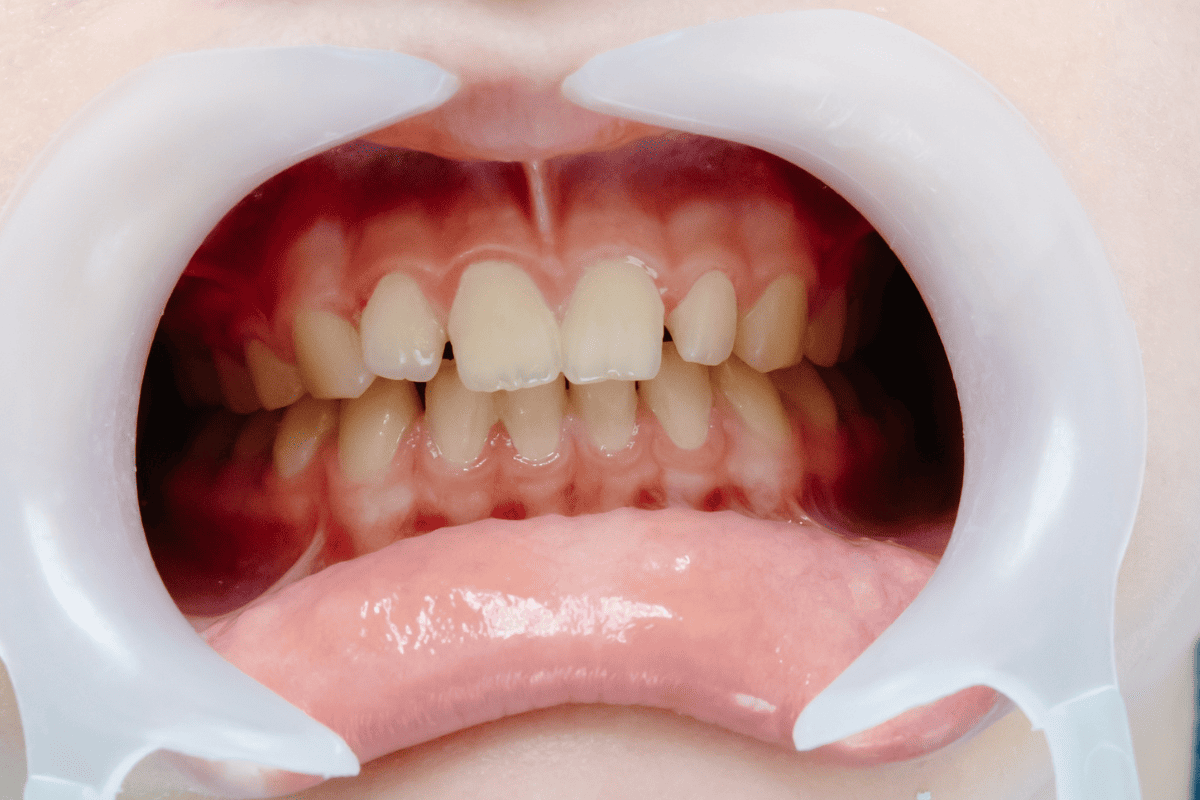
Many people assume their gums are healthy simply because they aren’t hurting. In reality, gum disease often begins silently, with symptoms that are easy to overlook during everyday brushing and flossing. Mild bleeding, slight swelling, or occasional bad breath may not seem like a cause for concern, but these subtle changes can be the first warning signs of periodontal disease.
At Innovative Dental Specialists of McKinney, we believe that early detection is one of the best ways to protect your smile. When gum disease is diagnosed in its earliest stage, treatment is often simpler, less invasive, and highly effective. Waiting until symptoms become painful can allow the disease to progress, increasing the risk of bone loss, loose teeth, and even tooth loss.
If you’re searching for a trusted periodontist McKinney, understanding the early signs of gum disease can help you take action before small problems become serious. Our experienced team provides comprehensive periodontal evaluations and personalized treatment plans to help patients maintain healthy gums and long-lasting smiles.
What Is Gum Disease?
Gum disease, also known as periodontal disease, is a bacterial infection that affects the gums and the supporting structures around your teeth. It develops gradually and typically progresses through different stages if left untreated.
The two primary stages include:
- Gingivitis – the earliest and most treatable stage
- Periodontitis – It is a more advanced stage that can damage the gums, bone, and supporting tissues
The encouraging news is that gingivitis is often reversible with professional treatment and improved oral hygiene. The earlier it’s detected, the easier it is to manage.
Why Early Gum Disease Often Goes Unnoticed
One of the biggest challenges with gum disease is that it rarely causes pain in the beginning.
Many patients don’t realize anything is wrong because the symptoms develop slowly and can seem minor.
You may notice:
- Occasional bleeding while brushing
- Slight gum tenderness
- Mild bad breath
- A little redness around the gums
These signs are often dismissed as temporary irritation, but they may actually indicate the beginning of periodontal disease.
At Innovative Dental Specialists of McKinney, we frequently detect early gum disease during routine dental exams before our patients experience noticeable discomfort.
Early Signs of Gum Disease You Shouldn’t Ignore
Knowing what to look for can help you seek treatment before permanent damage occurs.
1. Bleeding Gums While Brushing or Flossing
Healthy gums generally shouldn’t bleed during your daily oral hygiene routine.
If you notice:
- Blood on your toothbrush
- Pink toothpaste foam
- Blood while flossing
It’s important not to ignore it.
Many people assume they’re brushing too hard, but bleeding gums are often one of the earliest signs of gingivitis.
2. Red, Swollen, or Puffy Gums
Healthy gums should appear firm and light pink.
Early gum disease may cause your gums to become:
- Bright red
- Swollen
- Puffy
- Tender to the touch
These changes can happen gradually, making them easy to overlook if you aren’t checking your gums regularly.
3. Persistent Bad Breath
Everyone experiences bad breath occasionally, but chronic bad breath that doesn’t improve with brushing or mouthwash may signal something more serious.
As bacteria accumulate beneath the gumline, they release compounds that contribute to unpleasant breath.
Persistent bad breath may be associated with:
- Plaque buildup
- Gum inflammation
- Early periodontal infection
Rather than masking the problem with mouthwash, it’s important to identify the underlying cause.
4. Tender or Sensitive Gums
Your gums shouldn’t feel sore during everyday activities.
If you notice discomfort while:
- Brushing
- Flossing
- Eating certain foods
it could be an early sign that your gums are becoming inflamed.
Even mild sensitivity deserves professional evaluation before it progresses.
5. Receding Gums
Have your teeth started looking slightly longer than they used to?
Gum recession is another common warning sign of periodontal disease.
You may notice:
- More of the tooth root is becoming visible
- Uneven gumlines
- Increased tooth sensitivity
- Spaces developing near the gumline
Because gum tissue doesn’t naturally grow back, early treatment is essential to help protect your teeth and supporting bone.
6. Teeth That Feel Slightly Different
Many patients are surprised to learn that gum disease can affect how their teeth feel before they actually become loose.
You might notice:
- Small spaces developing between teeth
- A slight change in your bite
- Teeth that feel different when chewing
These subtle changes may indicate that the supporting tissues around your teeth are beginning to weaken.
7. Tartar Along the Gumline
Plaque that isn’t removed every day eventually hardens into tartar.
Unlike plaque, tartar cannot be removed with brushing or flossing at home.
Tartar buildup near the gums can:
- Irritate gum tissue
- Harbor harmful bacteria
- Increase inflammation
- Accelerate gum disease
Professional dental cleanings are essential for removing tartar and helping keep your gums healthy.
8. Ongoing Gum Tenderness
Some patients experience mild soreness around certain teeth without realizing their gums are becoming infected.
This discomfort may include:
- Tenderness while chewing
- Pressure around the gums
- Mild soreness that comes and goes
Even if the discomfort seems minor, it’s worth having your gums evaluated before the condition worsens.
9. Changes in Gum Color
Healthy gums usually have a consistent pink appearance.
As gum disease develops, you may notice:
- Darker red areas
- Purple or inflamed tissue
- Uneven coloring along the gumline
These changes are often subtle, but they can be valuable early indicators of periodontal disease.
10. Plaque That Builds Up Quickly
If you find yourself constantly dealing with plaque despite brushing regularly, your gums may already be under stress.
Several factors can contribute to faster plaque accumulation, including:
- Inconsistent flossing
- Poor brushing technique
- A diet high in sugary foods
- Missed professional cleanings
During your periodontal evaluation, we’ll examine plaque levels, gum health, and any areas that may require additional attention.
What Causes Gum Disease?
While plaque buildup is the primary cause of gum disease, several other factors can increase your risk.
These include:
- Inadequate oral hygiene
- Smoking or tobacco use
- Diabetes
- Family history of periodontal disease
- Hormonal changes
- Certain medications
- Dry mouth
Understanding your individual risk factors allows us to create a personalized prevention and treatment plan.
Why Early Detection Makes a Difference
The earlier gum disease is diagnosed, the easier it is to treat.
Prompt care can help:
- Stop inflammation from progressing
- Protect the supporting bone around your teeth
- Reduce the need for advanced periodontal procedures
- Preserve your natural smile
- Improve your overall oral health
At Innovative Dental Specialists of McKinney, we emphasize preventive care because treating gum disease early is often far simpler than correcting advanced periodontal damage.
What Happens If Gum Disease Is Left Untreated?
Ignoring early symptoms can allow gingivitis to progress into periodontitis, a more serious form of gum disease that can permanently damage the tissues supporting your teeth.
Without treatment, periodontal disease may lead to:
- Deep pockets around the teeth
- Bone loss
- Loose teeth
- Gum recession
- Tooth loss
- More extensive periodontal treatment
Fortunately, early diagnosis and timely care can often prevent these complications and help you maintain a healthy smile for years to come.
How We Treat Gum Disease
At Innovative Dental Specialists of McKinney, we know that no two patients experience gum disease the same way. That’s why we begin with a thorough periodontal evaluation before recommending treatment. Our goal is to stop the infection, protect your teeth, and restore your gum health as comfortably as possible.
Treatment depends on how advanced the condition is and may include the following options.
Professional Dental Cleanings
If gum disease is caught early, a professional cleaning may be all that’s needed to remove plaque and tartar before they cause further damage.
Professional cleanings help:
- Remove plaque and hardened tartar
- Reduce inflammation
- Improve gum health
- Prevent gingivitis from progressing
Combined with good home care, early treatment can often reverse gingivitis completely.
Scaling and Root Planing
If the infection has spread below the gumline, we may recommend scaling and root planing, also known as a deep cleaning.
This treatment involves:
- Removing plaque and tartar beneath the gums
- Smoothing the tooth roots
- Reducing bacteria below the gumline
- Helping the gums reattach to the teeth
Many patients experience significant improvement after this procedure, especially when followed by consistent periodontal maintenance.
Periodontal Maintenance
Patients who have experienced gum disease often benefit from more frequent cleanings than the traditional six-month schedule.
Our periodontal maintenance visits allow us to:
- Monitor your gum health
- Remove harmful bacteria before they accumulate
- Measure gum pockets
- Detect early signs of recurring disease
- Help protect your long-term oral health
We’ll recommend a maintenance schedule that’s tailored to your individual needs.
How You Can Help Prevent Gum Disease
Although gum disease is common, it’s also one of the most preventable dental conditions with consistent care.
We encourage our patients to:
- Brush twice each day using fluoride toothpaste
- Floss every day to remove plaque between teeth
- Use an antimicrobial mouthwash if recommended
- Avoid smoking and tobacco products
- Eat a balanced diet that supports gum health
- Schedule regular dental checkups and cleanings
Small daily habits can make a significant difference in protecting your gums for years to come.
Why Gum Health Matters for McKinney Families
Life gets busy, and it’s easy to postpone routine dental visits when your teeth don’t hurt. Unfortunately, gum disease often develops quietly, allowing damage to occur before obvious symptoms appear.
That’s why we encourage patients throughout McKinney to have their gums evaluated regularly, even if everything seems normal.
Early periodontal care can help you:
- Keep your natural teeth longer
- Prevent bone loss
- Avoid more extensive treatment later
- Improve your overall oral health
- Maintain a confident, healthy smile
Routine exams allow us to identify concerns early, when treatment is often simpler and more effective.
Why Choose Innovative Dental Specialists of McKinney?
When you’re looking for a provider to care for your gums, experience and preventive care make all the difference.
At Innovative Dental Specialists of McKinney, we’re committed to helping our patients protect their smiles through early diagnosis, advanced periodontal care, and personalized treatment planning.
When you visit our office, you can expect:
- Comprehensive periodontal evaluations
- Advanced diagnostic technology
- Personalized treatment recommendations
- Preventive-focused care
- A compassionate team dedicated to your comfort
Whether you’re experiencing early symptoms or simply want to maintain healthy gums, we’re here to help you every step of the way.
Frequently Asked Questions
Can gum disease be reversed?
Yes. When diagnosed in its earliest stage (gingivitis), gum disease can often be reversed with professional dental care and improved oral hygiene at home.
Does gum disease always cause pain?
No. In fact, most early gum disease develops without pain, which is why regular dental checkups are so important.
What is usually the first sign of gum disease?
Bleeding while brushing or flossing is one of the earliest and most common warning signs. Redness, swelling, and persistent bad breath may also indicate developing gum disease.
Can gum disease cause tooth loss?
Yes. If left untreated, advanced periodontal disease can damage the bone and tissues supporting your teeth, eventually leading to loose teeth and tooth loss.
How often should I visit the dentist if I have gum disease?
Depending on your condition, we may recommend periodontal maintenance visits every three to four months to help keep your gums healthy and prevent the disease from progressing.
Protect Your Gums Before Small Problems Become Serious
Gum disease rarely begins with severe pain, but that doesn’t mean it should be ignored. Bleeding gums, swelling, bad breath, and gum recession are often early warning signs that deserve professional attention. The sooner these symptoms are identified, the easier it is to protect your gums, preserve your natural teeth, and prevent more extensive treatment in the future.
If you’re searching for a trusted periodontist McKinney, our team at Innovative Dental Specialists of McKinney is here to help. We provide comprehensive periodontal evaluations, personalized treatment plans, and ongoing preventive care designed to keep your gums healthy for years to come.
If you’ve noticed changes in your gums or it’s simply been a while since your last periodontal evaluation, don’t wait for symptoms to worsen. Schedule your appointment today and let us help you maintain a healthier smile with expert periodontal care.
Related Articles

New Patients Appointments Welcome!
