



A toothache can range from a mild annoyance to severe pain that disrupts your daily routine. Sometimes the discomfort goes away after a day or two, but in other cases, it can signal a deeper problem that won’t resolve on its own. Knowing the difference between temporary sensitivity and a condition that requires specialized treatment is important for protecting your oral health.
Many people assume that every toothache means they need a root canal, while others ignore persistent pain, hoping it will disappear. The reality is that not all toothaches require endodontic treatment, but some definitely shouldn’t be ignored. Early diagnosis can often prevent the problem from becoming more serious and may even help save your natural tooth.
If you’ve been searching for an endodontist McKinney, understanding the warning signs can help you seek care at the right time. At Innovative Dental Specialists of McKinney, we provide advanced endodontic care for patients throughout McKinney, Texas, with a focus on relieving pain, treating infected teeth, and preserving natural smiles whenever possible.
Not Every Toothache Means You Need a Root Canal
Tooth pain can have many different causes, and not all of them involve damage to the tooth’s inner pulp.
Common reasons for tooth discomfort include:
- Tooth sensitivity.
- Gum irritation.
- A cavity.
- Teeth grinding.
- A cracked tooth.
- A loose filling or crown.
- Food trapped between teeth.
- Infection inside the tooth.
Some problems can be treated with a simple filling or dental restoration, while others require specialized endodontic care. The key is identifying the source of the pain before it worsens.
Persistent Pain That Doesn’t Go Away
One of the most common signs that it’s time to see an endodontist is pain that continues for several days or becomes progressively worse.
The discomfort may:
- Come and go.
- Feel sharp or throbbing.
- Wake you during the night.
- Become more noticeable when chewing.
Persistent pain often indicates that the tooth’s pulp has become inflamed or infected, requiring professional evaluation.
Rather than masking the pain with medication, it’s important to identify and treat the underlying cause.
Lingering Sensitivity to Hot or Cold
Many people experience occasional sensitivity after eating ice cream or drinking hot coffee.
However, if the discomfort lingers long after the hot or cold stimulus is removed, it may indicate damage to the tooth’s nerve.
You should schedule an evaluation if sensitivity:
- Lasts for several seconds or longer.
- Becomes more intense over time.
- Occurs frequently.
- Is limited to one specific tooth.
Early treatment may help prevent further complications.
Pain When Biting or Chewing
If chewing causes discomfort or pressure on a specific tooth, it could be a sign of:
- Deep decay.
- A cracked tooth.
- Infection inside the tooth.
- Inflammation around the root.
Pain while chewing shouldn’t be ignored because it often indicates structural damage that requires professional care.
An endodontic evaluation can determine whether root canal treatment or another procedure is needed.
Swelling Around the Tooth or Gums
Visible swelling is one of the clearest signs that an infection may be present.
You may notice:
- Swollen gums.
- Tenderness around one tooth.
- A pimple-like bump on the gums.
- Facial swelling.
- An unpleasant taste caused by drainage.
Dental infections rarely resolve without treatment and may spread if left untreated.
Seeking care promptly can help protect both your oral health and your overall well-being.
A Tooth That Has Darkened in Color
A tooth that becomes noticeably darker than the surrounding teeth may indicate trauma or damage to the inner pulp.
This type of discoloration can occur even if there are no obvious signs of decay.
Because color changes sometimes signal nerve damage, they should always be evaluated by a dental professional.
A Cracked or Injured Tooth May Need Endodontic Care
Not every dental injury is immediately painful.
Sometimes a crack allows bacteria to enter the inner portion of the tooth, leading to inflammation or infection over time.
If you’ve experienced:
- A sports injury.
- A fall.
- Biting something unexpectedly hard.
- Trauma to the face or mouth.
It’s a good idea to have the tooth examined, even if the discomfort seems minor.
Early treatment can often help preserve the tooth.
Why Saving Your Natural Tooth Is Usually the Best Option
Whenever possible, preserving your natural tooth is generally the preferred approach.
Modern endodontic treatment is designed to:
- Eliminate infection.
- Relieve discomfort.
- Protect surrounding teeth.
- Restore normal chewing.
- Maintain your natural smile.
Saving a healthy tooth root often provides long-term benefits for your bite and overall oral health.
That’s why timely diagnosis is so important.
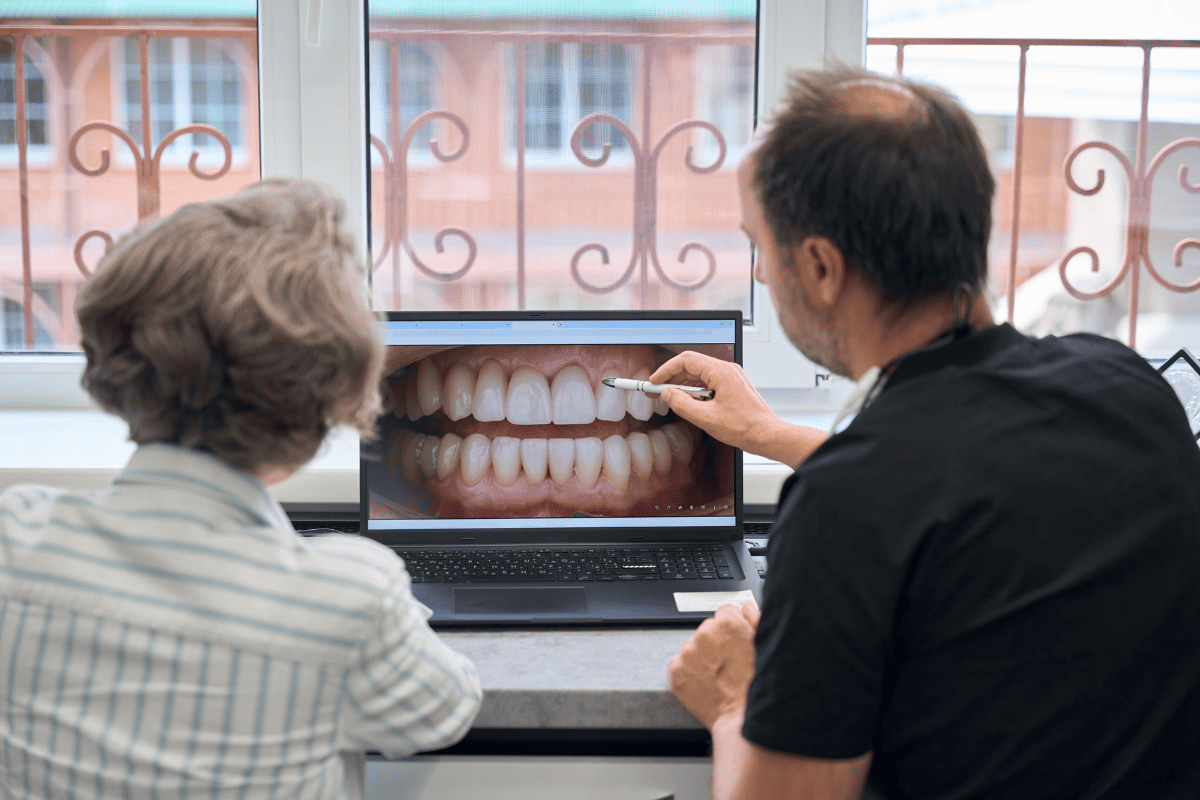
What Happens During an Endodontic Evaluation?
Many patients delay treatment simply because they aren’t sure what to expect.
During your visit, we take time to understand your symptoms before recommending any treatment.
Your evaluation may include:
- A discussion about your pain.
- A clinical examination.
- Digital imaging.
- Tests to determine pulp health.
- A review of your treatment options.
Not every patient who visits an endodontist needs a root canal.
Our goal is always to recommend the most conservative and effective treatment for your specific condition.
Personalized Endodontic Care at Innovative Dental Specialists of McKinney
At Innovative Dental Specialists of McKinney, we understand how stressful tooth pain can be. Our team is committed to identifying the source of your discomfort and providing treatment that relieves pain while preserving your natural teeth whenever possible.
We provide comprehensive endodontic services for patients throughout McKinney, Texas, including root canal therapy, evaluation of cracked teeth, treatment for dental infections, and advanced diagnostic care. Using modern technology and a patient-focused approach, we help make treatment as comfortable and efficient as possible.
Whether you’re experiencing persistent tooth pain or have been referred for specialized care, we’re here to help you protect your smile.
Frequently Asked Questions
Does every toothache require a root canal?
No. Tooth pain can have many causes, including cavities, gum problems, cracked teeth, or sensitivity. An examination is needed to determine the appropriate treatment.
When should I see an endodontist?
If you have persistent tooth pain, lingering sensitivity, swelling, pain while chewing, or signs of infection, it’s a good idea to seek professional evaluation as soon as possible.
Can an endodontist save my tooth?
In many cases, yes. Endodontic treatment is designed to remove infection while preserving the natural tooth whenever possible.
Is root canal treatment painful?
Modern root canal therapy is performed with advanced techniques and local anesthesia to keep patients comfortable throughout the procedure.
What happens if I ignore a tooth infection?
Untreated infections can worsen over time, potentially leading to increased pain, damage to surrounding tissues, and more extensive dental treatment.
Don’t Ignore Persistent Tooth Pain
While not every toothache requires a root canal, ongoing pain, swelling, or sensitivity should never be ignored. Seeking care early can help prevent complications, relieve discomfort, and improve the chances of saving your natural tooth. The sooner the cause of your pain is identified, the sooner you can return to eating, speaking, and smiling comfortably.
If you’re looking for an experienced endodontist McKinney, Innovative Dental Specialists of McKinney is here to help. We provide advanced endodontic care, root canal therapy, and personalized treatment plans designed to protect your oral health and preserve your natural smile.
Book Now to schedule your consultation and get the expert care your smile deserves.

New Patients Appointments Welcome!
