


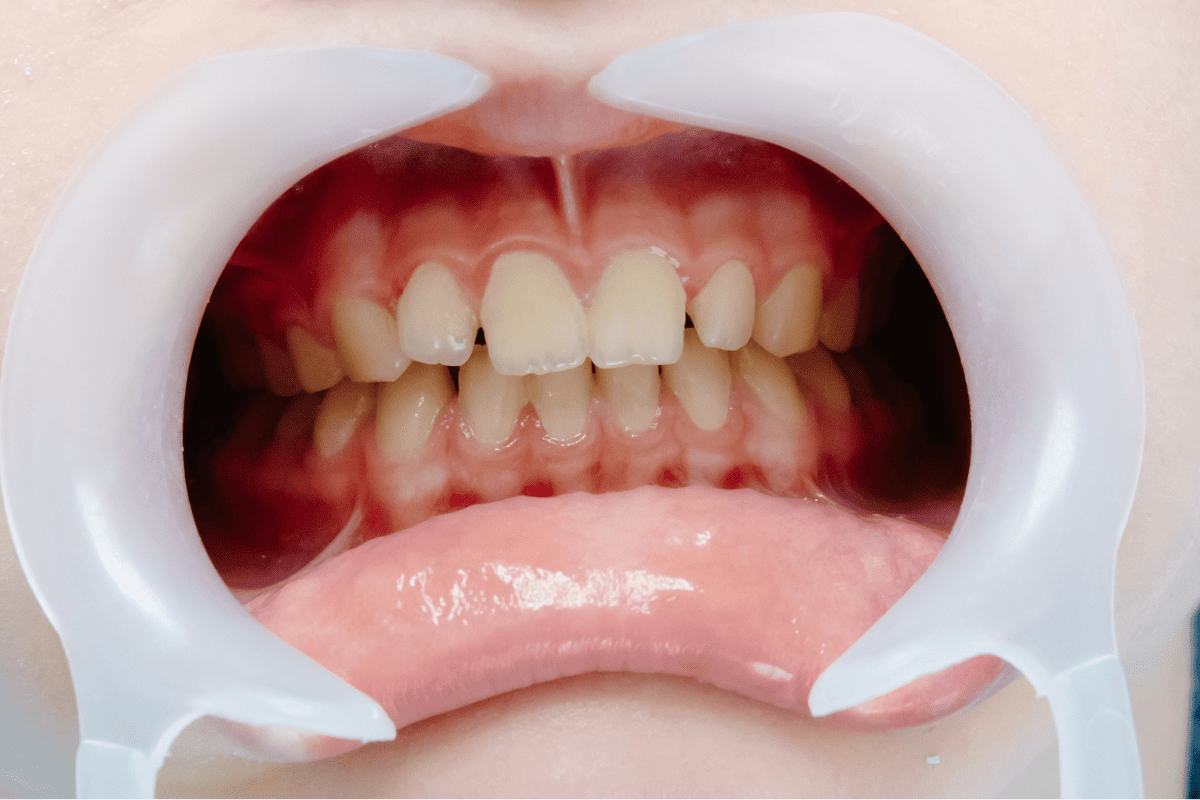
Gum disease is one of the most common oral health conditions affecting adults in the United States, yet many people don’t realize they have it until symptoms become difficult to ignore. Bleeding gums while brushing, persistent bad breath, gum tenderness, or gum recession may seem minor at first, but they can be warning signs of a condition that can lead to serious oral health complications if left untreated.
The encouraging news is that gum disease is often manageable, and in some cases, it can even be reversed when detected early. The key is understanding the stage of the disease and seeking professional care before permanent damage occurs. Unfortunately, many patients wait until symptoms worsen, making treatment more extensive and recovery more challenging.
If you’re researching gum disease treatment McKinney options, learning how gum disease develops and whether it can be reversed can help you take proactive steps to protect your smile. At Innovative Dental Specialists of McKinney, patients receive comprehensive periodontal care designed to restore gum health, prevent progression, and support long-term oral wellness.
Understanding Gum Disease
Gum disease, also known as periodontal disease, is an infection of the tissues that support your teeth. It develops when plaque and bacteria accumulate along the gumline and are not effectively removed through daily oral hygiene and professional cleanings.
Over time, these bacteria can irritate the gums, causing inflammation and infection.
The condition generally progresses through two primary stages:
- Gingivitis
- Periodontitis
The stage of the disease largely determines whether reversal is possible.
What Is Gingivitis?
Gingivitis is the earliest stage of gum disease and the only stage that is considered fully reversible.
At this point, the infection affects the gums but has not yet damaged the underlying bone or connective tissues that support the teeth.
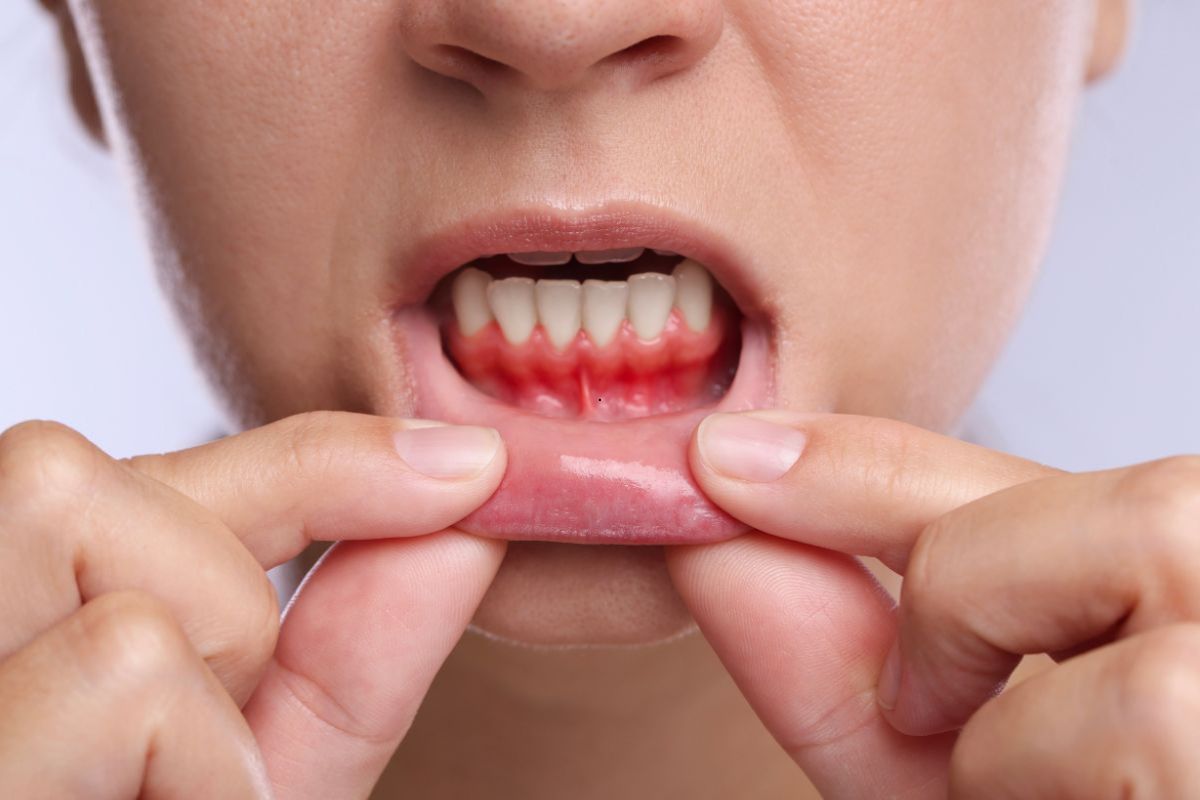
Common Signs of Gingivitis
Many patients overlook early symptoms because they are often mild.
Warning signs may include:
- Red or swollen gums
- Bleeding while brushing or flossing
- Mild gum tenderness
- Persistent bad breath
- Increased plaque buildup
Because gingivitis causes inflammation without permanent structural damage, early intervention can often restore gum health completely.
Can Gingivitis Be Reversed?
Yes. In most cases, gingivitis can be reversed with proper treatment and consistent oral hygiene.
When detected early, your dentist or oral care provider may recommend:
- Professional dental cleaning
- Improved brushing techniques
- Daily flossing
- Antibacterial mouth rinses
- More frequent preventive visits
Removing plaque and bacteria allows the gums to heal and reduces inflammation.
Many patients notice significant improvement within a few weeks of following their recommended treatment plan.
What Happens When Gum Disease Progresses?
If gingivitis is left untreated, the infection can advance into periodontitis.
At this stage, bacteria begin affecting the deeper supporting structures around the teeth, including the bone.
Unlike gingivitis, periodontitis cannot be fully reversed because some tissue damage has already occurred.
However, it can often be successfully managed and controlled with professional treatment.
Understanding Periodontitis
Periodontitis develops when bacteria spread beneath the gumline, causing the gums to pull away from the teeth and form pockets.
These pockets create an environment where bacteria can continue multiplying, leading to ongoing inflammation and destruction of supporting tissues.
Common Symptoms of Periodontitis
As the disease progresses, symptoms may become more noticeable.
Patients may experience:
- Gum recession
- Persistent bad breath
- Loose teeth
- Increased tooth sensitivity
- Pain when chewing
- Changes in bite alignment
- Visible spaces between teeth
Without treatment, periodontitis can eventually contribute to tooth loss.
Why Early Treatment Makes a Difference
One of the most important factors in successful periodontal care is timing.
The earlier gum disease is identified, the easier it is to treat and manage.
Benefits of early intervention include:
- Less invasive treatment
- Reduced risk of bone loss
- Lower treatment costs
- Improved long-term outcomes
- Better preservation of natural teeth
Routine visits to a local dental practice allow potential problems to be identified before they become more advanced.
How Gum Disease Is Treated
The appropriate treatment depends on the severity of the condition.
Professional Dental Cleanings
For patients with gingivitis, professional cleanings often remove the plaque and tartar contributing to inflammation.
Combined with improved home care, cleanings can help restore healthy gums.
Scaling and Root Planing
For patients with early to moderate periodontitis, scaling and root planing is commonly recommended.
This deep-cleaning procedure involves:
- Removing bacteria and tartar below the gumline
- Smoothing tooth root surfaces
- Reducing periodontal pocket depth
- Encouraging gum reattachment
Scaling and root planing is often one of the most effective non-surgical treatments for gum disease.
Periodontal Maintenance
Once gum disease has been treated, ongoing maintenance is essential.
Regular periodontal maintenance appointments help control bacterial growth and monitor gum health.
These visits are typically more frequent than standard preventive cleanings.
Can Bone Loss From Gum Disease Be Reversed?
This is one of the most common questions patients ask.
In many cases, bone loss caused by periodontitis cannot be completely reversed naturally. However, modern periodontal therapies can often help stabilize the condition and prevent further deterioration.
Depending on the severity of the damage, advanced treatment options may be recommended to support long-term oral health.
The primary goal is preserving as much healthy tissue as possible while preventing future complications.
Risk Factors for Gum Disease
Certain factors increase the likelihood of developing periodontal disease.
These include:
- Poor oral hygiene
- Smoking or tobacco use
- Diabetes
- Genetic predisposition
- Chronic dry mouth
- Hormonal changes
- Infrequent dental visits
Understanding your risk factors can help you take preventive measures before problems develop.
How Gum Disease Affects Overall Health
Research continues to explore the connection between oral health and overall health.
While gum disease primarily affects the mouth, chronic inflammation has been associated with several broader health concerns.
This is one reason why maintaining healthy gums is considered an important component of overall wellness.
Taking care of your oral health doesn’t just benefit your smile—it supports your general health as well.
Signs You Should Schedule an Evaluation
Many patients wait until discomfort develops before seeking care, but gum disease often progresses silently.
You should contact a dental clinic if you notice:
- Bleeding gums
- Gum swelling
- Persistent bad breath
- Gum recession
- Loose teeth
- Changes in tooth spacing
- Ongoing sensitivity
Early diagnosis provides the best opportunity for successful treatment.
Preventing Gum Disease From Returning
Even after successful treatment, maintaining healthy gums requires ongoing commitment.
Helpful habits include:
- Brushing twice daily
- Flossing consistently
- Attending regular dental appointments
- Avoiding tobacco products
- Following your dentist’s recommendations
- Managing underlying health conditions
These preventive measures help reduce the likelihood of recurrence and support long-term oral health.
Why Professional Care Matters
While excellent home care is essential, brushing and flossing alone cannot remove hardened tartar beneath the gumline.
Professional treatment allows your dentist or oral care provider to address areas that are difficult to clean at home.
At Innovative Dental Specialists of McKinney, personalized periodontal care plans are designed to help patients achieve healthier gums while preserving their natural teeth whenever possible.
Whether you’re experiencing early signs of gingivitis or more advanced periodontal concerns, professional evaluation is the first step toward protecting your smile.
Frequently Asked Questions
Can gum disease really be reversed?
Gingivitis, the earliest stage of gum disease, can often be fully reversed with professional treatment and improved oral hygiene. Advanced periodontitis can typically be managed but not completely reversed.
How do I know if I have gum disease?
Common symptoms include bleeding gums, redness, swelling, bad breath, gum recession, and increased tooth sensitivity.
Is gum disease treatment painful?
Modern periodontal treatments are designed to maximize patient comfort. Your dentist will discuss available options and what to expect during treatment.
Can gum disease cause tooth loss?
Yes. If left untreated, advanced periodontal disease can damage the structures supporting the teeth and eventually lead to tooth loss.
How often should I visit the dentist if I have gum disease?
The frequency depends on your condition. Many patients benefit from more frequent periodontal maintenance visits to help control bacteria and monitor gum health.
Take Action Before Gum Disease Progresses
The answer to whether gum disease can be reversed depends largely on when it is diagnosed. While gingivitis can often be eliminated with prompt treatment, more advanced stages require ongoing management to protect the health of your gums, teeth, and supporting bone.
If you’re concerned about symptoms or searching for effective gum disease treatment McKinney patients trust, the team at Innovative Dental Specialists of McKinney can provide a thorough evaluation and personalized treatment plan. Addressing gum disease early can help preserve your smile, improve your oral health, and reduce the risk of future complications. Book your appointment today!



New Patients Appointments Welcome!
