


Missing teeth can affect much more than your smile. They can impact your ability to eat comfortably, speak clearly, maintain proper oral health, and feel confident in social and professional settings. Fortunately, modern restorative dentistry offers several effective solutions for replacing missing teeth and restoring your smile.
Two of the most common treatment options are dental implants and dental bridges. While both can successfully replace missing teeth, they work differently and offer unique advantages depending on your oral health needs, lifestyle, and long-term goals.
If you’re researching McKinney Dental Implants or exploring alternatives to replace missing teeth, understanding the differences between implants and bridges can help you make an informed decision. Working with an experienced dentist in McKinney, Texas allows you to evaluate both options and choose the solution that best supports your smile for years to come.
Why Replacing Missing Teeth Is Important
Many patients delay treatment after losing a tooth, especially if the missing tooth isn’t immediately visible. However, untreated tooth loss can lead to several oral health complications over time.
Potential consequences include:
- Shifting of surrounding teeth
- Difficulty chewing certain foods
- Changes in speech patterns
- Jawbone deterioration
- Increased risk of gum problems
- Bite misalignment
- Additional tooth wear
Replacing missing teeth promptly helps preserve both the function and appearance of your smile.
Understanding Dental Bridges
A dental bridge is a restoration that replaces one or more missing teeth by using neighboring teeth for support.
The bridge consists of:
- Artificial replacement tooth (or teeth)
- Dental crowns attached to adjacent teeth
- Fixed placement within the mouth
Once secured, the bridge fills the gap left by missing teeth and restores basic function and appearance.
Advantages of Dental Bridges
Dental bridges remain a popular treatment option because they offer several benefits.
Advantages include:
- Faster treatment timeline
- Lower initial cost
- Non-surgical procedure
- Effective restoration of appearance
- Improved chewing ability
For some patients, bridges provide an efficient solution for replacing missing teeth.
Limitations of Dental Bridges
While bridges can be highly successful, they do have certain limitations.
Potential drawbacks include:
- Modification of healthy adjacent teeth
- No stimulation of the jawbone
- Higher likelihood of future replacement
- Increased stress on supporting teeth
These factors often become important when considering long-term oral health.
Understanding Dental Implants
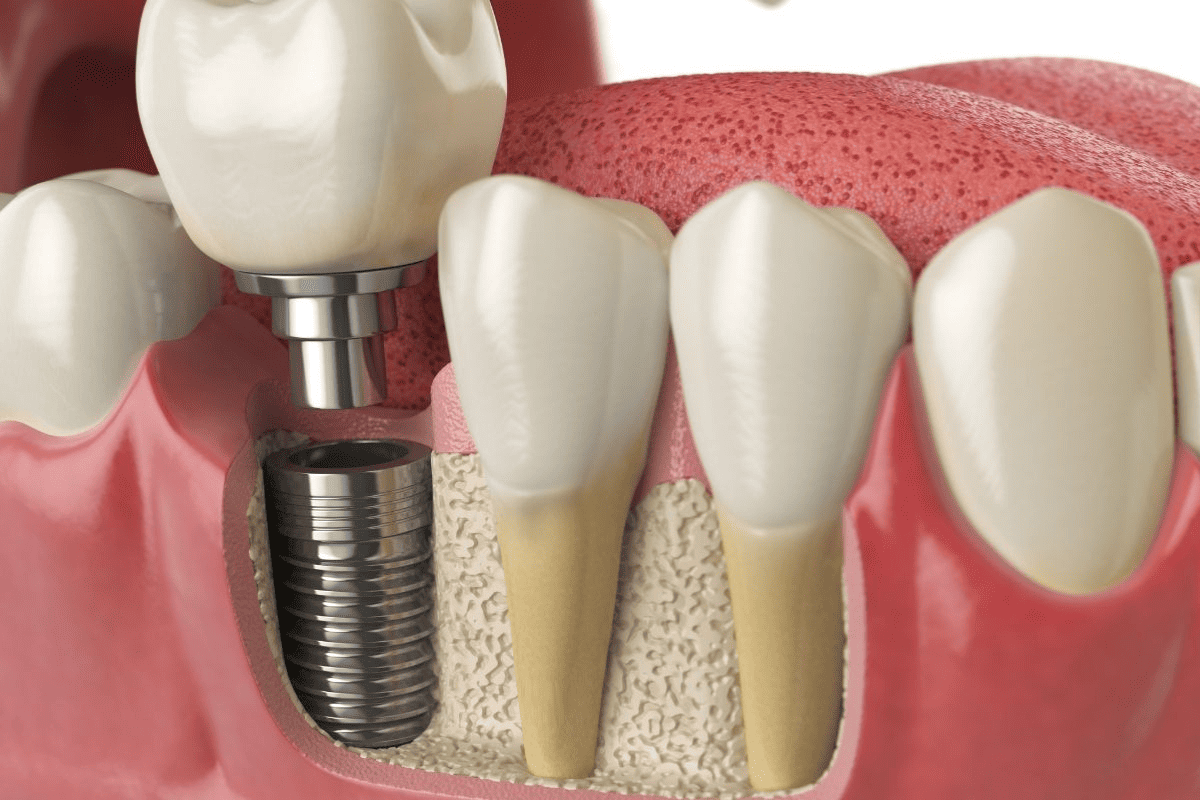
Dental implants are designed to replace both the visible portion of a tooth and its root structure.
A dental implant typically consists of:
- Titanium implant post
- Connector component (abutment)
- Custom restoration such as a crown
Once placed and integrated with the jawbone, the implant functions similarly to a natural tooth.
Advantages of Dental Implants
Many patients and dentists consider implants one of the most advanced tooth replacement solutions available.
Benefits include:
- Natural appearance
- Excellent stability
- Preservation of jawbone structure
- Independent support
- Long-term durability
- Protection of neighboring teeth
Dental implants are often recommended for patients seeking a long-lasting replacement option.
Potential Considerations
Although implants offer significant advantages, patients should understand certain factors before treatment.
These may include:
- Surgical placement procedure
- Longer treatment timeline
- Higher initial investment
- Need for adequate jawbone support
A comprehensive consultation helps determine whether implants are appropriate for your situation.
Dental Implants vs Bridges: A Side-by-Side Comparison
Appearance
Both implants and bridges can provide attractive, natural-looking results.
However, dental implants often achieve the most realistic appearance because they emerge directly from the gum tissue like natural teeth.
Longevity
One of the most significant differences involves durability.
Dental implants can often last decades with proper care and maintenance.
Dental bridges generally require replacement sooner due to normal wear and the demands placed on supporting teeth.
Jawbone Health
When a tooth is lost, the underlying jawbone may begin to deteriorate due to lack of stimulation.
Dental implants help:
- Stimulate the jawbone
- Preserve facial structure
- Reduce future bone loss
Bridges do not provide this benefit because they sit above the gumline rather than integrating with the bone.
Impact on Nearby Teeth
Bridges typically require the reshaping of healthy adjacent teeth to support the restoration.
Implants function independently and do not rely on neighboring teeth for support.
This helps preserve natural tooth structure whenever possible.
Treatment Time
Bridges often provide a faster path to tooth replacement.
Dental implants require:
- Evaluation
- Implant placement
- Healing period
- Final restoration
Although the process takes longer, many patients appreciate the long-term benefits.
Cost Considerations
Bridges generally involve a lower upfront investment.
However, implants may offer greater long-term value because they often require fewer replacements and preserve surrounding oral structures.
Who Is a Good Candidate for Dental Bridges?
A bridge may be a suitable option if you:
- Need a quicker solution
- Prefer a non-surgical treatment
- Have healthy adjacent teeth available for support
- Are replacing one or more missing teeth in a specific area
Innovative Dental Specialists of McKinney can determine whether a bridge aligns with your treatment goals.
Who Is a Good Candidate for Dental Implants?
Dental implants may be an excellent choice if you:
- Have adequate jawbone support
- Want a long-term solution
- Prefer independent tooth replacement
- Prioritize preserving neighboring teeth
- Desire maximum stability and function
Many patients in McKinney choose implants because of their durability and ability to closely mimic natural teeth.
Why More Patients in McKinney Are Choosing Dental Implants
As restorative dentistry continues to advance, implants have become increasingly popular among patients seeking predictable, long-lasting results.
Many McKinney residents appreciate that implants can:
- Restore chewing function
- Improve confidence
- Support jawbone health
- Maintain facial structure
- Deliver natural-looking aesthetics
For individuals planning for long-term oral health, implants often provide advantages that extend well beyond appearance alone.
Factors to Consider Before Making Your Decision
Choosing between a bridge and an implant involves more than comparing costs.
Important considerations include:
Oral Health Status
Our dentist will evaluate:
- Bone density
- Gum health
- Existing restorations
- Overall oral condition
Long-Term Goals
Patients seeking the longest-lasting solution often lean toward implants.
Lifestyle Preferences
Some individuals prioritize treatment speed, while others focus on durability and long-term maintenance.
Budget
Understanding both immediate and future costs can help support informed decision-making.
A trusted local dental practice can guide you through these considerations and recommend the most appropriate treatment.
Maintaining Your Tooth Replacement
Whether you choose a bridge or an implant, good oral hygiene remains essential.
Healthy habits include:
- Brushing twice daily
- Flossing consistently
- Attending routine dental visits
- Avoiding tobacco products
- Following our dentist’s care recommendations
Proper maintenance helps maximize the lifespan and success of your restoration.
Frequently Asked Questions
Are dental implants better than bridges?
Neither option is universally better. The ideal treatment depends on your oral health, goals, budget, and personal preferences. Many patients choose implants because of their longevity and jawbone preservation benefits.
How long do dental implants last?
With proper care, dental implants can often last for decades and may even last a lifetime for some patients.
Is implant surgery painful?
Most patients report minimal discomfort during and after implant placement. Our dentist will discuss pain management and recovery expectations during treatment planning.
Can a bridge replace multiple missing teeth?
Yes. Dental bridges can replace one or several missing teeth depending on the specific case and available support structures.
How do I know if I’m a candidate for dental implants?
A comprehensive evaluation at a dental clinic can determine whether your bone density, gum health, and overall oral condition support implant treatment.
Find the Right Tooth Replacement Solution for Your Smile
Both dental implants and bridges can successfully restore missing teeth, improve oral function, and enhance your confidence. The best option depends on your unique needs, lifestyle, and long-term goals.
If you’re considering McKinney Dental Implants or exploring bridge treatment, consulting with our experienced dentist can help you compare our options and create a personalized treatment plan. By choosing the right solution today, you can protect your oral health and enjoy a stronger, healthier smile for years to come.
Related Articles


New Patients Appointments Welcome!
