


Missing teeth can affect more than just your appearance. Tooth loss may also impact your ability to chew comfortably, speak clearly, and maintain proper jawbone health. Dental implants are one of the most reliable long-term solutions for replacing missing teeth, but not every patient immediately qualifies for implant treatment. In many cases, sufficient jawbone density is necessary to support a successful implant.
When bone loss occurs, patients may need an additional procedure before implant placement called bone grafting. This treatment helps rebuild and strengthen the jawbone, creating a stable foundation for future dental implants.
Many patients exploring bone grafting McKinney treatment options are surprised to learn how common the procedure has become. A qualified dentist or oral care provider can evaluate your jawbone health and determine whether bone grafting may improve the long-term success of your dental implants.
If you live in McKinney, Texas, understanding how bone grafting works can help you feel more confident when considering restorative dental treatment.
What Is Bone Grafting?
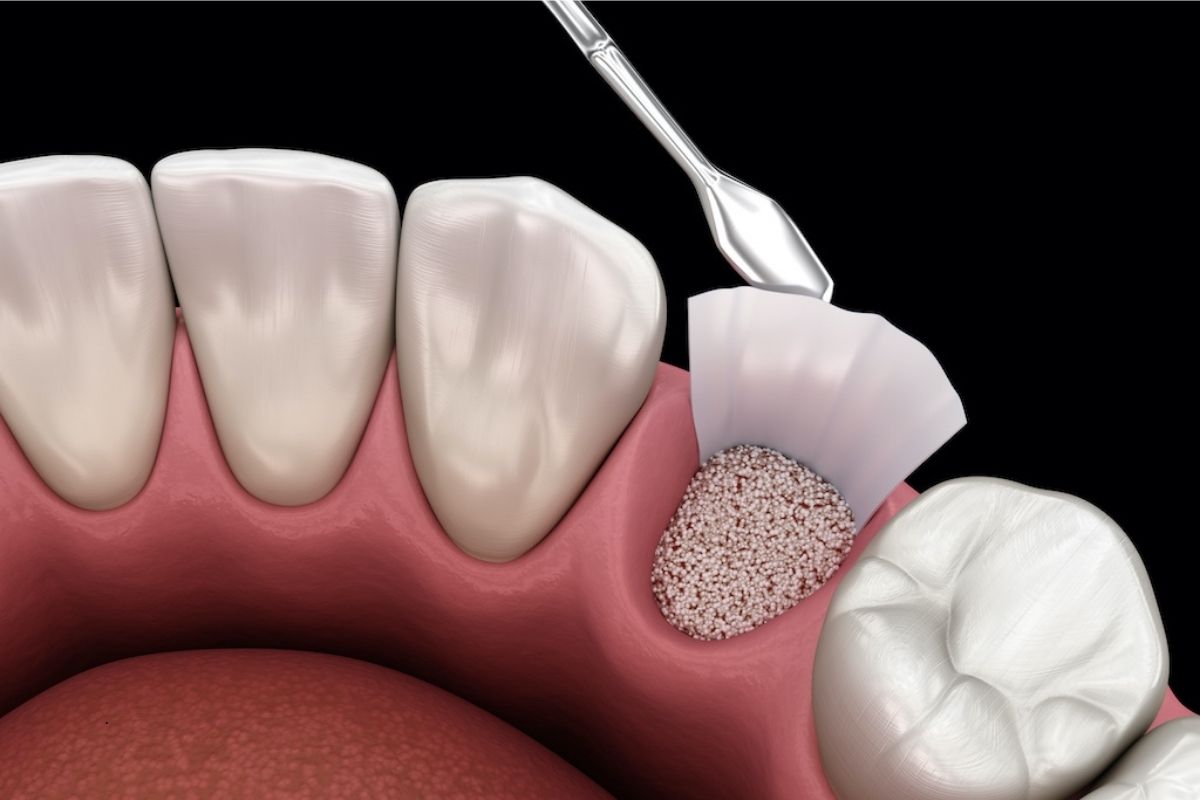
Bone grafting is a dental procedure that rebuilds or strengthens areas of the jawbone where bone loss has occurred. The procedure adds bone material to weakened areas, encouraging new bone growth and improving the stability of the jaw.
Bone grafting is commonly recommended before dental implant placement because implants require strong bone support to remain secure over time.
Without adequate bone density, implants may not properly integrate with the jawbone.
Why Bone Loss Happens After Tooth Loss
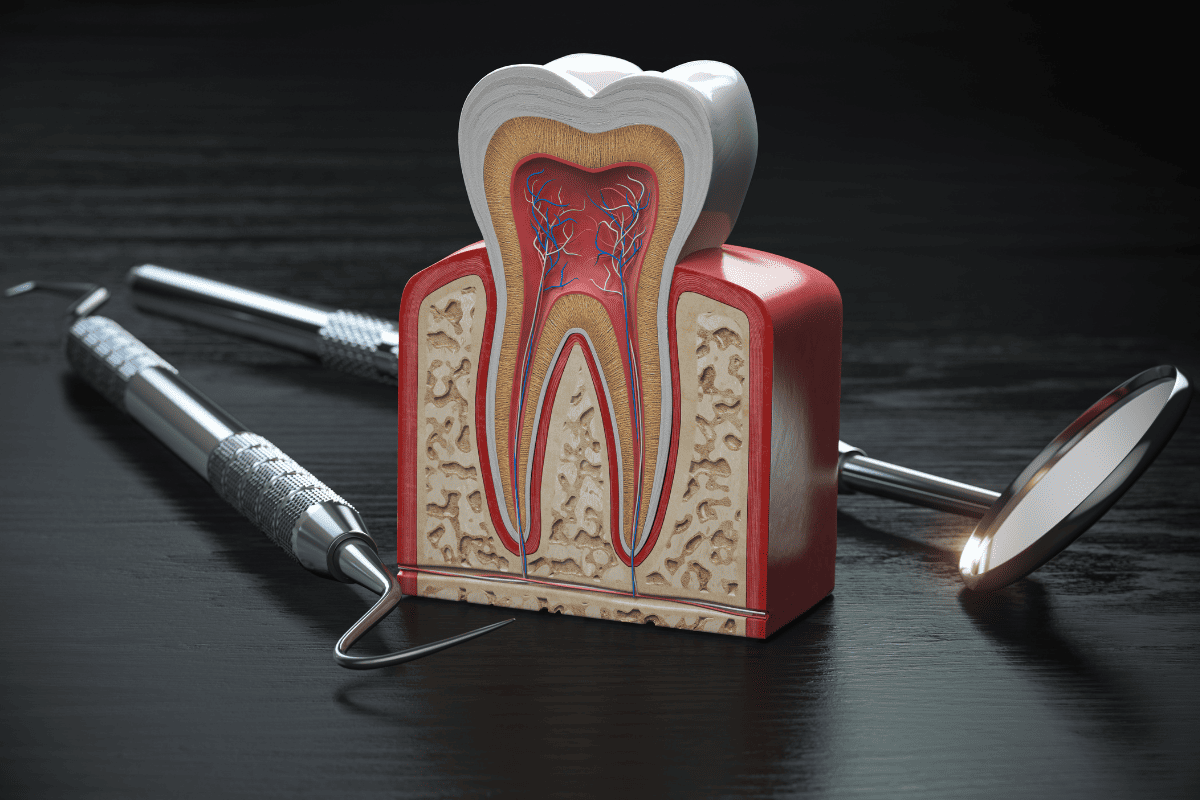
Your jawbone relies on stimulation from natural tooth roots to maintain its strength and density. When a tooth is lost or extracted, the surrounding bone gradually begins to shrink.
Over time, this bone loss may lead to:
- Changes in facial appearance
- Shifting teeth
- Reduced jawbone density
- Difficulty placing dental implants
- Increased risk of additional oral health problems
Bone loss can begin shortly after a missing tooth is left untreated, which is why early restorative care is important.
A trusted local dental practice in McKinney can evaluate bone health and recommend appropriate treatment options before further deterioration occurs.
Why Bone Grafting Is Often Needed Before Dental Implants
Dental implants function like artificial tooth roots and must be securely anchored into the jawbone. If the bone is too thin or weak, implant placement may not be stable enough for long-term success.
Bone grafting helps:
- Increase bone volume
- Strengthen the jawbone
- Improve implant stability
- Support long-term implant success
- Restore facial structure
An experienced oral care provider will determine whether bone grafting is necessary based on imaging and examination results.
Common Causes of Jawbone Loss
Several factors can contribute to bone deterioration in the jaw.
Tooth Loss
Missing teeth are one of the most common causes of bone loss because the jaw no longer receives stimulation from tooth roots.
Gum Disease
Advanced periodontal disease can damage both the gums and the supporting bone structure.
Trauma or Injury
Facial injuries or dental trauma may result in bone damage that affects implant placement.
Long-Term Denture Use
Traditional dentures do not stimulate the jawbone the same way natural teeth or implants do, which may contribute to gradual bone shrinkage.
Infections or Dental Conditions
Certain infections or untreated dental problems may also weaken the jawbone over time.
A qualified dental clinic can identify the underlying cause of bone loss and create a personalized treatment plan.
Types of Bone Grafting Procedures
Not all bone grafts are the same. The type of procedure recommended depends on the location and severity of bone loss.
Socket Preservation Grafts
This procedure is performed immediately after a tooth extraction to help preserve bone volume.
Ridge Augmentation
Ridge augmentation rebuilds areas of the jaw that have become too narrow or thin for implant placement.
Sinus Lift Procedures
For upper back teeth, a sinus lift may be necessary to create enough bone height for implants.
Major Bone Grafting
More advanced bone loss may require larger grafting procedures to restore stability and support.
Your dentist will recommend the most appropriate approach based on your specific needs.
What Materials Are Used for Bone Grafting?
Bone grafting materials may come from different sources depending on the treatment plan.
Common options include:
- Your own natural bone
- Donor bone material
- Synthetic bone substitutes
- Biocompatible materials
Modern grafting materials are designed to safely integrate with your natural bone and encourage new growth.
An experienced oral care provider can explain which option may work best for your situation.
What to Expect During the Bone Grafting Procedure
Many patients are nervous about bone grafting, but the procedure is often more comfortable than expected.
During treatment, the dentist or specialist will:
- Prepare the treatment area
- Place grafting material into the weakened bone area
- Secure the graft for healing
- Provide aftercare instructions
Local anesthesia or sedation options may be available to improve comfort during the procedure.
Most patients return to normal daily activities within a short period, although healing times vary depending on the size of the graft.
How Long Does Bone Grafting Take to Heal?
Healing time depends on the extent of the graft and the patient’s overall oral health.
In general, bone grafts may require several months to fully integrate with the natural jawbone before implants can be placed.
Factors affecting healing include:
- Overall health
- Smoking habits
- Oral hygiene
- Size of the graft
- Existing bone condition
Regular follow-up visits with your dental clinic help ensure proper healing and treatment progress.
Benefits of Bone Grafting Before Dental Implants
Although bone grafting may add an extra step to the implant process, it often improves long-term treatment success.
Benefits May Include:
- Stronger support for dental implants
- Improved jawbone stability
- Better facial appearance
- Reduced risk of implant failure
- Improved oral function
- Better long-term oral health
A trusted local dental practice in McKinney can help patients understand the long-term value of rebuilding bone structure before implant placement.
Signs You May Need Bone Grafting
Many patients do not realize they have experienced jawbone loss until they undergo a dental evaluation.
You may need bone grafting if you experience:
- Missing teeth for an extended period
- Loose dentures
- Jawbone shrinkage
- Difficulty chewing
- Facial sagging near missing teeth
- Previous implant failure
A professional dental clinic can use digital imaging technology to assess your bone density and determine whether grafting is recommended.
Why Choosing an Experienced Dental Provider Matters
Bone grafting and implant procedures require careful planning and expertise. Choosing a skilled dentist or oral care provider can improve both comfort and long-term results.
When selecting a local dental practice in McKinney, consider:
- Experience with implant dentistry
- Advanced imaging technology
- Comprehensive treatment planning
- Personalized patient care
- Positive patient reviews
Working with an experienced provider helps ensure a smoother treatment process and successful implant outcomes.
Frequently Asked Questions
Is bone grafting painful?
Most patients experience minimal discomfort during the procedure because local anesthesia or sedation is typically used.
How do I know if I need bone grafting before implants?
A dentist will evaluate your jawbone using digital imaging to determine whether sufficient bone support is available.
How long after bone grafting can implants be placed?
Healing times vary, but many patients wait several months before implant placement to allow the graft to fully integrate.
Is bone grafting safe?
Yes. Bone grafting is a common and predictable dental procedure when performed by an experienced dental professional.
Can bone loss continue if I do not replace missing teeth?
Yes. Missing teeth can lead to ongoing jawbone deterioration over time if left untreated.
Restore Your Smile with the Right Treatment Plan
Bone grafting plays an important role in helping many patients become candidates for successful dental implants. By rebuilding lost jawbone structure, this procedure creates the strong foundation needed for long-term implant stability and improved oral health.
If you are considering dental implants and have experienced tooth loss or jawbone changes, scheduling a consultation with a trusted dental clinic in McKinney, Texas, is an important first step. Experienced providers offering bone grafting McKinney services can evaluate your oral health, explain your treatment options, and help you restore both the function and appearance of your smile.
Taking action early can help protect your jawbone health and improve your long-term dental outcomes. Book your appointment today!


New Patients Appointments Welcome!
