


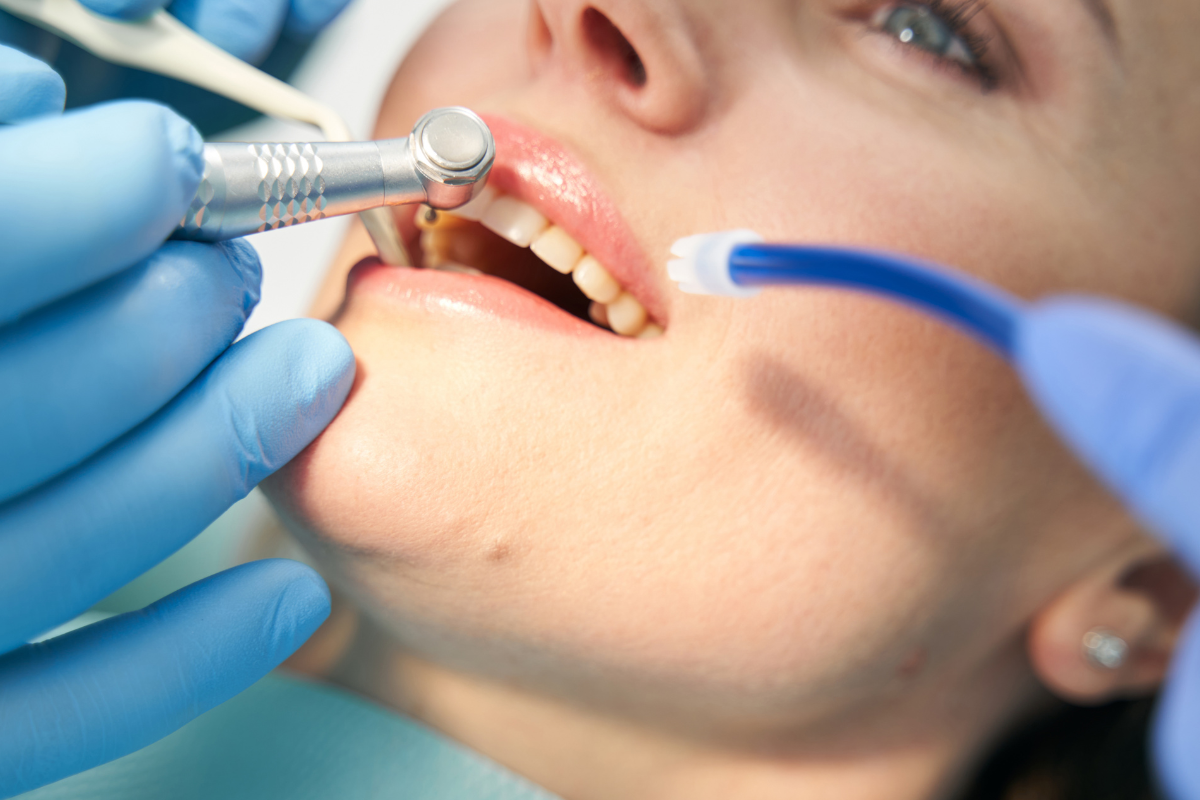
You’re ready to fix your smile. Maybe you’ve been missing a tooth for a while, or you’re tired of dealing with loose dentures. You finally take the next step, only to hear something unexpected: you may need bone grafting first.
If that sounds familiar, you’re not alone. Many patients exploring long-term solutions are introduced to bone grafting McKinney dentists recommend as a way to rebuild what’s been lost beneath the surface.
At Innovative Dental Specialists of McKinney in McKinney, Texas, this procedure is often the turning point that allows patients to move forward with stronger, more reliable dental care.
The Real Issue Isn’t Just the Missing Tooth
When a tooth is lost, most people focus on the visible gap. But what’s happening underneath matters even more.
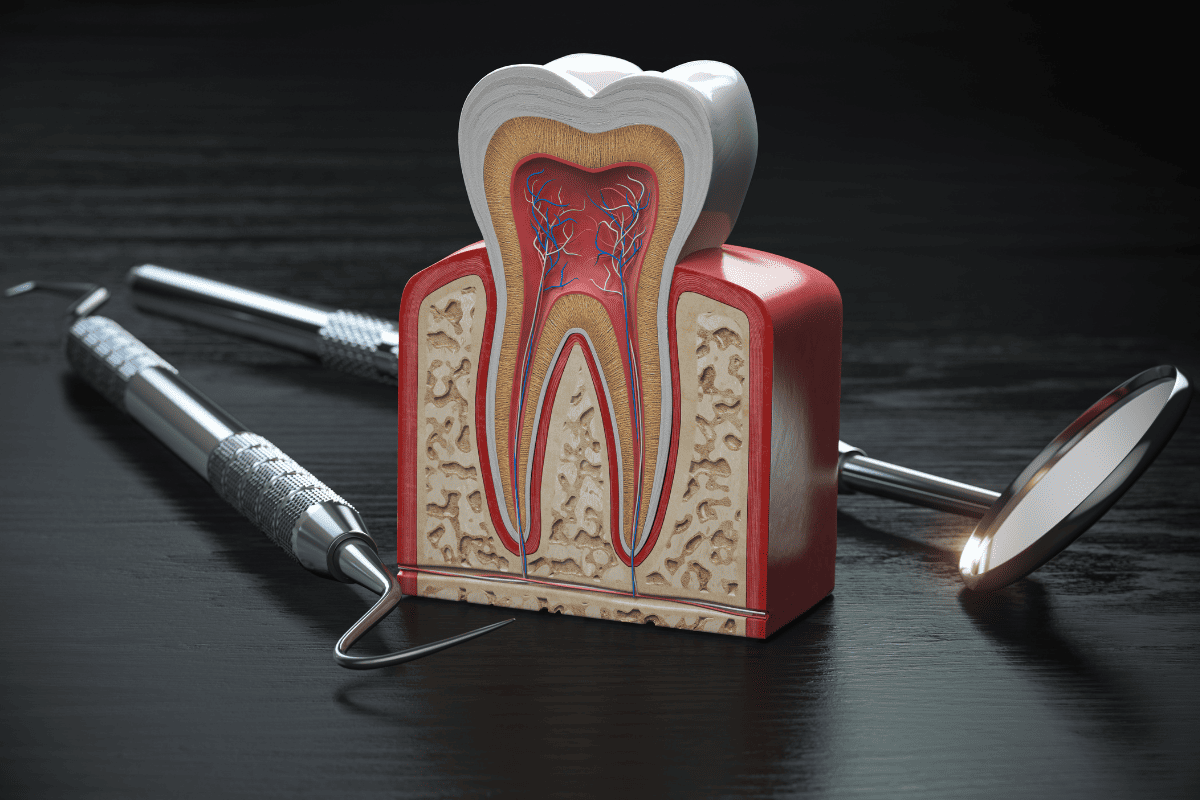
Your jawbone depends on stimulation from your teeth. Every time you chew, that pressure keeps the bone active and healthy. Once a tooth is gone, that stimulation disappears, and the bone begins to shrink.
This process, called bone resorption, can quietly lead to:
- Loss of jawbone density
- Changes in facial shape over time
- Weak support for future dental work
- Shifting of nearby teeth
The longer a tooth remains unreplaced, the more noticeable these changes can become.
Why Some Patients Need Bone Grafting Before Moving Forward
Not every patient will need a graft, but for many, it becomes a necessary step before treatments like dental implants.
You’re more likely to need bone grafting if:
- You lost a tooth months or years ago
- You’ve been wearing dentures for a long time
- Gum disease has affected the supporting bone
- You’ve had an infection or trauma in the area
- Previous dental work has failed
In these cases, placing an implant without rebuilding the bone first could lead to instability or failure. Bone grafting creates the support system needed for long-term success.
What Bone Grafting Really Means (Without the Jargon)
The term “bone grafting” can sound intimidating, but the concept is straightforward.
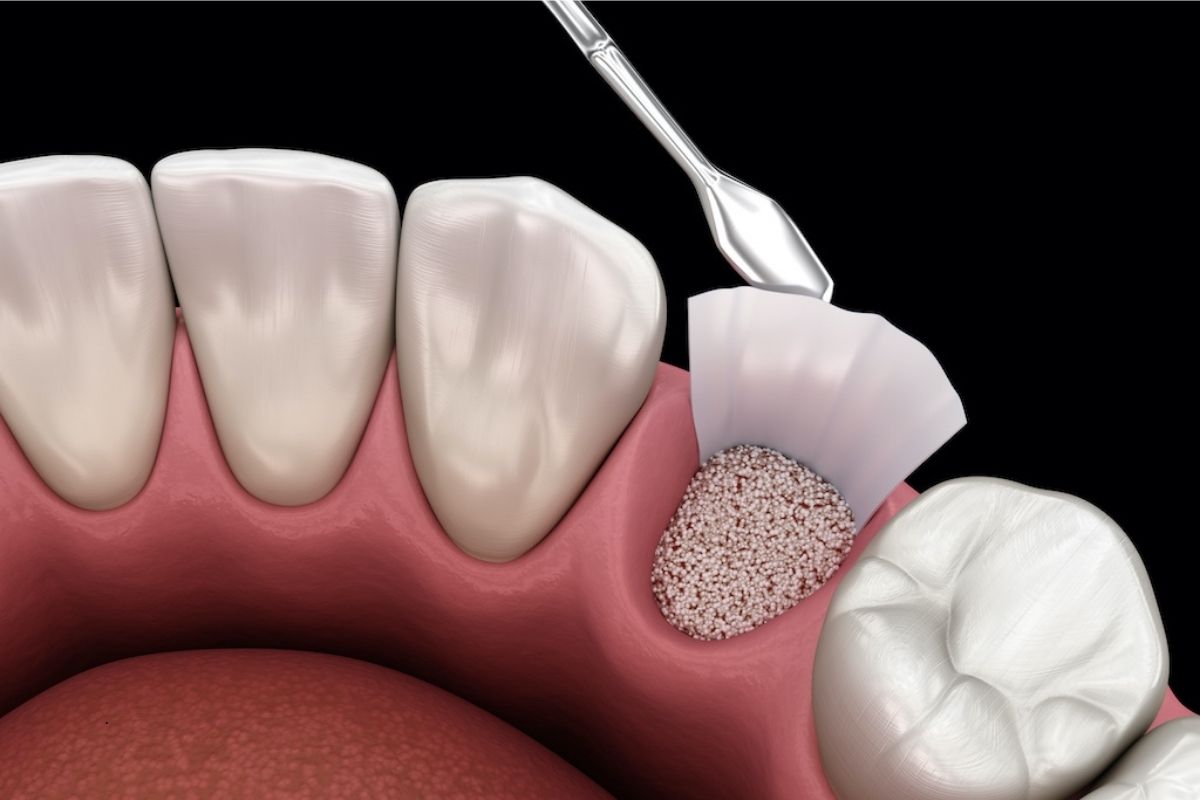
Your dentist places a grafting material in the area where bone has weakened or disappeared. This material acts like a scaffold, encouraging your body to produce new, natural bone in that space.
Over time, your body does the work, gradually replacing the graft material with your own bone.
Think of it as giving your jaw a second chance to rebuild itself.
Subtle Signs Your Jaw May Need Extra Support
Bone loss doesn’t always cause pain, which is why it often goes unnoticed until a dental exam.
However, there are clues your mouth may be giving you:
- Your dentures don’t fit like they used to
- Your face appears slightly more sunken or aged
- You’ve had a missing tooth for a long time
- Your gums seem to be receding
- You’ve been told you’re “not a candidate” for implants
If any of these apply, it doesn’t mean treatment is off the table; it may simply mean your foundation needs to be rebuilt first.
What Happens If You Skip This Step?
It can be tempting to look for a faster solution, especially if you’re eager to restore your smile. But skipping bone grafting McKinney when it’s needed can create long-term complications.
Without enough bone:
- Dental implants may not stay secure
- Restorations can fail prematurely
- Bite alignment may worsen
- Additional corrective procedures may be required later
In many cases, taking the time to rebuild the bone actually saves time, money, and frustration down the road.
A Step-by-Step Look at the Process
Understanding what to expect can make the idea of bone grafting feel much more manageable.
1. Detailed Evaluation
Your dentist uses advanced imaging to assess bone levels and identify areas that need support.
2. Customized Treatment Plan
Every patient is different. The type and extent of grafting depend on your specific needs.
3. The Grafting Procedure
The material is carefully placed in the targeted area. The procedure is typically done with local anesthesia, and sedation options are often available.
4. Healing and Regeneration
Over the next few months, your body gradually builds new bone. This phase is critical for long-term stability.
5. Moving Forward with Treatment
Once healing is complete, you’re ready for the next step, often dental implants or another permanent restoration.
Most patients are surprised by how smooth the process feels, especially when it’s clearly explained and carefully planned.
Comfort and Care: What Patients Often Notice
One of the biggest concerns about bone grafting is discomfort. But modern dental care has come a long way.
At Innovative Dental Specialists of McKinney, patient comfort is a priority throughout the process.
Patients often notice:
- Minimal discomfort during the procedure
- Manageable recovery with simple aftercare
- Clear guidance at every stage
- A supportive, calm environment
For many, the anticipation is worse than the experience.
The Long-Term Payoff of Rebuilding Bone
Bone grafting isn’t just about making a procedure possible; it’s about making it last.
When the jaw has proper support, patients can enjoy:
- Strong, stable dental implants
- Improved ability to chew and speak
- Better overall oral health
- A more natural facial appearance
Instead of relying on temporary fixes, you’re investing in a solution designed to hold up over time.
Small Habits That Protect Your Results
After your treatment, maintaining your oral health plays a big role in long-term success.
Here are a few simple ways to support your results:
- Stick to daily brushing and flossing
- Keep up with routine dental visits
- Address gum issues early
- Avoid smoking or tobacco products
- Don’t delay treatment for missing teeth
These habits help protect both your teeth and the bone that supports them.
Frequently Asked Questions
Do I always need bone grafting before getting implants?
No. Some patients have enough natural bone. However, if bone loss has occurred, grafting may be necessary to ensure the implant is stable and long-lasting.
How long does the healing process take?
Healing typically takes a few months, depending on the size of the graft and your body’s natural response.
Is bone grafting safe?
Yes. It’s a common and well-established procedure with a strong track record of success when performed by experienced professionals.
Will I be in pain afterward?
Most patients experience mild discomfort that can be managed with medication and aftercare instructions.
What if I’ve been missing teeth for years?
You may still be a candidate. Bone grafting is often used specifically to help patients in this situation move forward with treatment.
A Stronger Smile Starts Beneath the Surface
It’s easy to focus on the visible part of your smile, but long-term oral health starts with what’s underneath.
If you’ve been told you’re not ready for dental implants or you’ve been living with missing teeth longer than you’d like, bone grafting may be the step that changes everything.
At Innovative Dental Specialists of McKinney in McKinney, Texas, the goal is simple: help you rebuild a strong foundation so your next dental solution truly lasts. Book your appointment today!

New Patients Appointments Welcome!
