


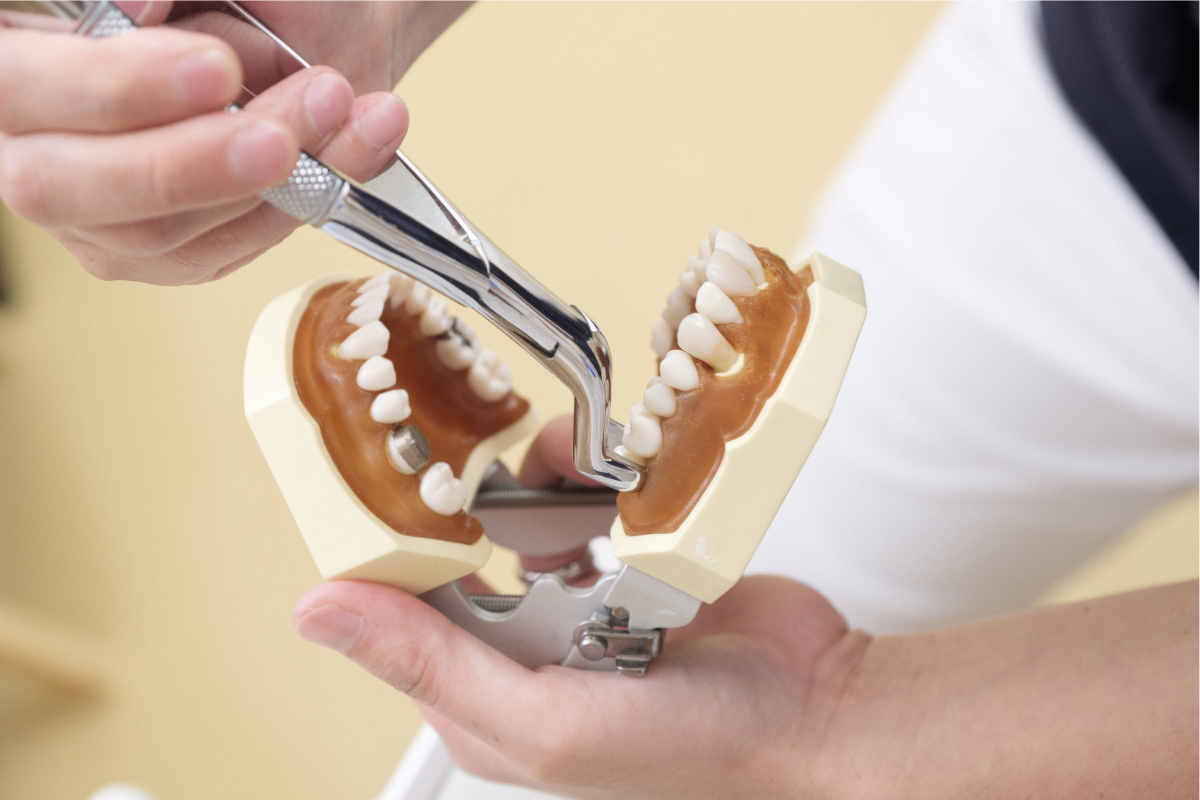
Dental implants are widely considered one of the most reliable solutions for replacing missing teeth. They restore chewing ability, improve appearance, and help maintain overall oral health. However, one important factor that determines whether implants can be placed successfully is the strength and volume of the jawbone. When a tooth is lost, the surrounding bone no longer receives the stimulation it once did from the natural tooth root. Over time, this can lead to bone shrinkage in the affected area. For some patients, the jawbone may not have sufficient density or volume to support the dental post securely.
Patients exploring implant treatment often learn that bone grafting in McKinney may be recommended to rebuild the jawbone and create a stable foundation. At Innovative Dental Specialists of McKinney, the team’s careful evaluations help determine whether bone grafting can improve the long-term success of the surgery.
Why Bone Loss Occurs After Tooth Loss?
The jawbone is designed to support teeth and respond to the pressure created during chewing. When a tooth is missing, that area of bone no longer receives the stimulation it needs to maintain its strength.
Over time, the bone may gradually shrink or weaken. This process, known as bone resorption, can begin soon after tooth loss.
Several factors may contribute to bone deterioration, including untreated gum disease, long-term tooth loss, or jawbone injuries. In some cases, bone loss may also occur when removable dentures place uneven pressure on the gums.
As bone volume decreases, it becomes more difficult to place prosthetic teeth securely. This is why dentists in McKinney often recommend bone grafting to rebuild the area before the surgery.
Restoring bone structure not only supports the restoration but also helps maintain the natural shape of the face and jaw.
How Bone Grafting Helps Restore Jawbone Strength?
Bone grafting is a procedure designed to encourage new bone growth in areas where bone has weakened or disappeared.
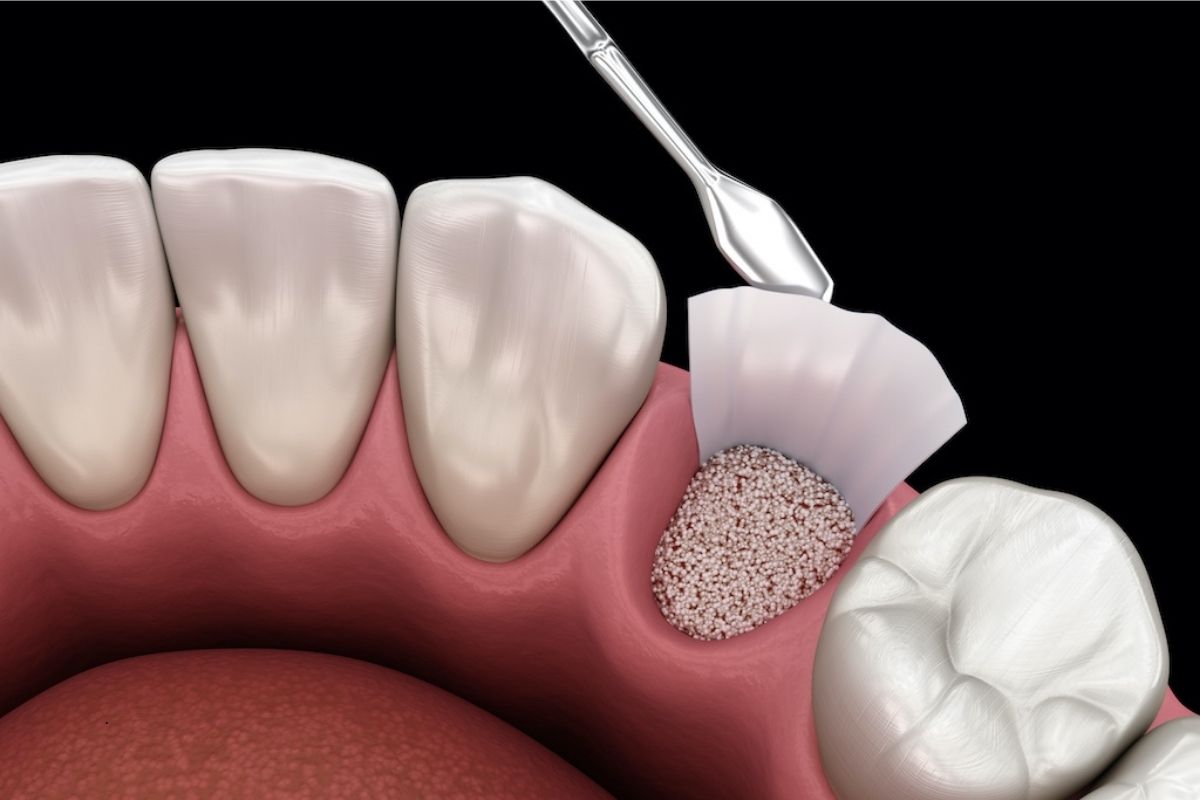
During this treatment, a small amount of grafting material is placed in the area where additional bone support is needed. Over time, the body gradually integrates this material and generates new bone tissue.
This process helps rebuild the structure necessary to support the dental post securely.
Evaluation and Imaging
The first step involves a comprehensive dental examination. Advanced imaging, such as digital X-rays or 3D scans, allows the dental specialist to evaluate bone density and identify areas where grafting may be beneficial. These diagnostic tools help determine the most appropriate treatment approach for each patient.
Planning the Procedure
Once the evaluation is complete, the dental team develops a personalized treatment plan. This plan outlines the type of grafting material to be used and the expected healing timeline. Different graft materials may be used depending on the patient’s needs, including donor bone or specialized synthetic materials designed to stimulate natural bone growth.
Placement of the Bone Graft
During the procedure, the grafting material is carefully positioned in the area requiring additional support. The site is then secured so the body can begin the natural healing process.
Healing and Bone Regeneration
Over the following months, the graft integrates with the surrounding bone as new tissue forms. This gradual process strengthens the jawbone and prepares it to support an implanted tooth. Once sufficient bone has developed, the final placement can move forward.
Advantages Of Bone Grafting Before Implant Treatment
Bone grafting provides several important benefits for patients preparing for prosthetic teeth surgery.
Improved Implant Stability
A stronger jawbone allows the dental post to anchor securely and function like natural tooth roots.
Prevention of Further Bone Loss
The grafting process helps stimulate bone growth and maintain the structure of the jaw.
Better Facial Support
Maintaining bone volume helps preserve natural facial contours and prevent the sunken appearance sometimes associated with missing teeth.
Higher Implant Success Rates
Those placed in healthy, well-supported bone are more likely to remain stable for many years.
Expanded Treatment Options
Patients who previously lacked enough bone for artificial tooth roots may become eligible after grafting.
These advantages make bone grafting an important step for many individuals planning long-term tooth replacement.
Determining If Bone Grafting Is Needed
Not every patient who wants a permanent restoration will require bone grafting. Some individuals maintain sufficient bone density even after losing a tooth.
However, patients who have experienced long-term tooth loss may be more likely to require grafting before implant placement.
Individuals with a history of gum disease may also experience bone damage that requires rebuilding before implants can be safely placed.
Age, overall health, and lifestyle habits may also influence treatment recommendations. For example, smoking can affect healing and bone regeneration.
A professional evaluation helps determine whether grafting will improve the long-term success of the treatment.
Supporting Healing After a Bone Grafting Procedure
Proper aftercare helps ensure the graft heals successfully and integrates with the surrounding bone.
Patients are typically advised to follow a soft-food diet for a short period after the procedure. Avoiding pressure on the treated area allows the graft to stabilize during early healing.
Maintaining good oral hygiene is also essential. Gentle brushing and rinsing help keep the surgical site clean while protecting the surrounding tissues.
Regular follow-up appointments allow the dental team to monitor healing and confirm that new bone is developing as expected.
Avoiding smoking and excessive alcohol consumption during recovery is strongly recommended, as these habits may slow the healing process.
Following these guidelines helps promote successful bone regeneration and prepares the mouth for implant placement.
Frequently Asked Questions
Is bone grafting a painful procedure?
Bone grafting is typically performed using local anesthesia or sedation, so patients experience little discomfort during the procedure. Mild soreness afterward is common but usually manageable with medication.
How long does the healing process take?
Healing time varies depending on the size of the graft and the patient’s overall health. In many cases, the bone requires several months to fully integrate before the dental post can be placed.
Are dental implants always placed after a graft?
In many cases, yes. The purpose of grafting is to create sufficient bone support for implant placement. Once healing is complete, they can be inserted securely.
Can bone grafting prevent future bone loss?
Yes. By stimulating new bone growth, grafting helps restore the jawbone’s structure and reduce the likelihood of further deterioration.
Specialized Implant Preparation in McKinney
Successful implant treatment often begins with careful preparation. Building a strong foundation for implants helps ensure that the final restoration functions comfortably and lasts for many years.
At Innovative Dental Specialists of McKinney, the dental team uses advanced diagnostic tools and surgical techniques to evaluate bone health and recommend personalized treatment options. Each patient receives a detailed plan designed to restore jawbone support and create the conditions needed for successful implant placement.
This approach allows patients to move forward with implant treatment with confidence, knowing that their oral health and long-term outcomes are the top priorities.
Conclusion
Prosthetic teeth provide a reliable and natural-looking solution for missing teeth, but their long-term success depends heavily on the health of the jawbone. When bone loss has occurred, rebuilding that foundation becomes an important part of the treatment process.
For patients considering dental implants, bone grafting in McKinney may provide the support needed to achieve stable, lasting results. At Innovative Dental Specialists of McKinney in McKinney, comprehensive evaluations and advanced techniques help patients restore jawbone strength and prepare for successful implant placement.
By addressing bone health early, patients can move forward with confidence and enjoy the long-term benefits of a strong, functional smile. Schedule an appointment with us!

New Patients Appointments Welcome!
