


Wisdom teeth — the last set of molars that typically emerge between ages 17 and 25 — can sometimes cause more harm than good. While some people experience little to no discomfort, others develop painful symptoms that signal a need for wisdom teeth removal. Knowing the early warning signs can help you take action before serious dental problems arise.
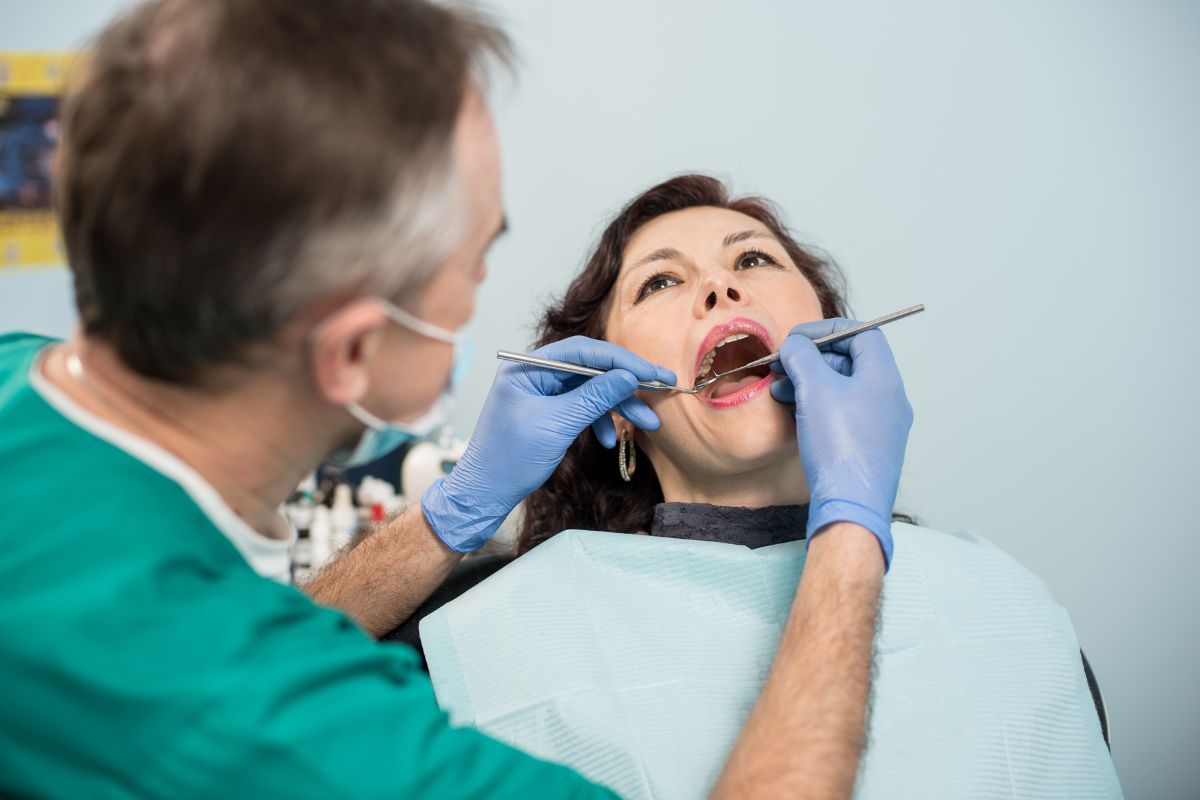
At Innovative Dental Specialists of McKinney, patients often ask how to know when it’s time to see a periodontist in McKinney, TX for wisdom tooth evaluation. This guide explains the most common signs that your wisdom teeth may need attention and why timely care is essential for maintaining a healthy smile.
Why Wisdom Teeth Can Be Problematic
Wisdom teeth once served a purpose when our ancestors needed extra molars to chew coarse foods. Today, our jaws are smaller, and there’s often not enough space for these teeth to erupt properly. When this happens, wisdom teeth can become impacted — trapped beneath the gum or bone — leading to pain, infection, and even damage to nearby teeth.
If left untreated, impacted wisdom teeth can cause inflammation, crowding, or cysts that affect the surrounding bone and gum tissue. Recognizing the warning signs early allows you to address the problem before it worsens.
1. Persistent Jaw or Gum Pain
One of the first signs that your wisdom teeth may need to be removed is consistent pain near the back of your mouth. This discomfort often occurs when the tooth pushes against surrounding teeth or becomes trapped under the gums. The pain may start as mild pressure but can quickly progress into throbbing or radiating discomfort that affects your jaw and ear.
If you notice this type of pain, schedule an evaluation with your periodontist in McKinney, TX. Early assessment can determine whether the discomfort is due to emerging wisdom teeth or another dental concern.
2. Swelling or Redness in the Gums
Swollen, red, or tender gums near the back of your mouth often signal infection or inflammation caused by impacted wisdom teeth. When a tooth partially erupts, it creates a flap of gum tissue where food and bacteria can collect. This area can easily become irritated and infected, leading to a condition called pericoronitis.
If swelling is accompanied by bad breath or difficulty opening your mouth, it’s a sign that professional evaluation is needed. Prompt wisdom teeth removal may be recommended to prevent recurring infections.
3. Difficulty Opening Your Mouth or Chewing
When wisdom teeth grow at an awkward angle, they can press against neighboring molars, causing stiffness or soreness when you open your mouth. Chewing may also become uncomfortable, especially near the affected area. In severe cases, swelling in the jaw muscles may even restrict mouth movement.
Ignoring these symptoms can lead to worsening inflammation and potential infection. Consulting a dental professional ensures your bite and jaw function remain healthy.
4. Crowding or Shifting Teeth
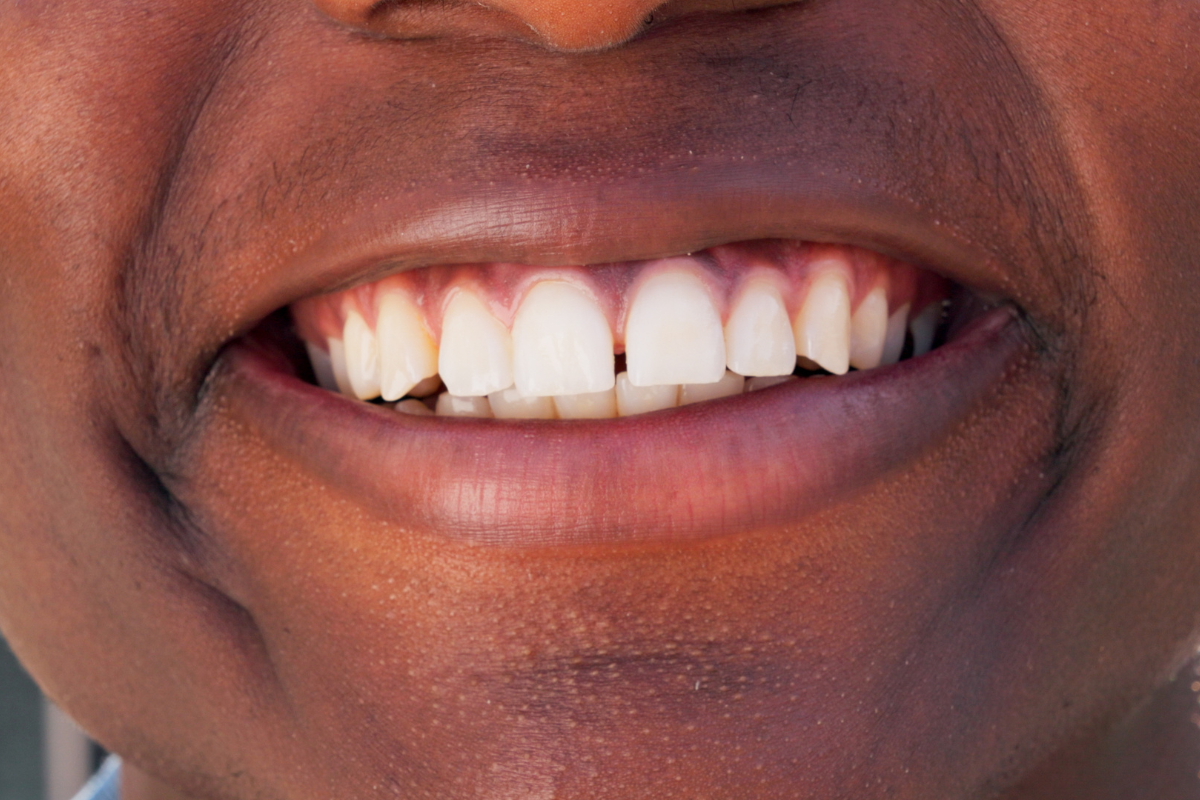
Even if your wisdom teeth aren’t painful, they can still cause issues by pushing other teeth out of alignment. This is especially noticeable if you’ve had orthodontic treatment in the past. You might observe subtle crowding or overlapping in your lower front teeth — a common result of pressure from erupting wisdom teeth.
Regular checkups and X-rays allow your dentist or periodontist in McKinney, TX to monitor these changes and recommend extraction if needed to maintain proper alignment.
5. Repeated Infections or Bad Taste in the Mouth
A recurring bad taste, bad breath, or lingering unpleasant odor can be another sign that bacteria are trapped around partially erupted wisdom teeth. These infections can spread to nearby tissues if not treated promptly.
If you notice repeated gum tenderness or an unpleasant taste that doesn’t go away with brushing or mouthwash, it’s time for a professional evaluation.
6. Cysts or Jaw Stiffness
In some cases, impacted wisdom teeth can form cysts — fluid-filled sacs that develop near the tooth’s root. Over time, these cysts can damage nearby teeth, nerves, and bone. While they may not cause pain right away, they can lead to significant oral health problems if ignored.
Regular dental X-rays help identify cysts early, allowing your provider to plan safe and effective wisdom teeth removal in McKinney before complications develop.
Why Timely Wisdom Teeth Removal Matters
Delaying treatment for impacted or infected wisdom teeth can result in more serious issues such as:
- Gum infections and swelling
- Tooth crowding or misalignment
- Jawbone damage
- Difficulty maintaining proper oral hygiene
Addressing these concerns early ensures faster recovery and preserves your long-term oral health.
Recovery and Care After Wisdom Teeth Removal
After the procedure, it’s normal to experience mild swelling or tenderness for a few days. Following your dentist’s post-care instructions — such as using ice packs, eating soft foods, and avoiding straws — will help promote quick healing. Most patients recover fully within a week.
Conclusion
Your wisdom teeth don’t always need to be removed, but when they start causing discomfort or crowding, professional care becomes essential. Recognizing early warning signs helps prevent more complex problems down the road.
If you’re experiencing pain, swelling, or jaw stiffness, it’s best to schedule a consultation with Innovative Dental Specialists of McKinney. Their experienced team can evaluate your condition and recommend the most effective treatment plan to restore your comfort and protect your smile.
Don’t wait until pain becomes unbearable — early evaluation is key.
Schedule your wisdom teeth removal in McKinney with Innovative Dental Specialists of McKinney today to ensure a healthy, pain-free future for your smile.


New Patients Appointments Welcome!
