



Tooth extraction is often seen as a solution for severe dental issues, but when gum disease is involved, patients frequently ask one question: Will gum disease go away after tooth extraction?
The answer isn’t as simple as removing the tooth and expecting the problem to disappear. Gum disease affects the supporting tissues around your teeth, not just the teeth themselves. At Innovative Dental Specialists of McKinney, we believe that understanding how gum disease works is key to effective, lasting oral health.
In this blog, we’ll explore what happens after tooth removal, whether extraction can cure gum disease, and what steps you can take for complete recovery.
Understanding Gum Disease
Gum disease, also known as periodontal disease, begins with bacterial buildup along the gumline. Over time, this buildup causes inflammation that can lead to bone loss and even tooth loss if untreated.
It develops in two main stages:
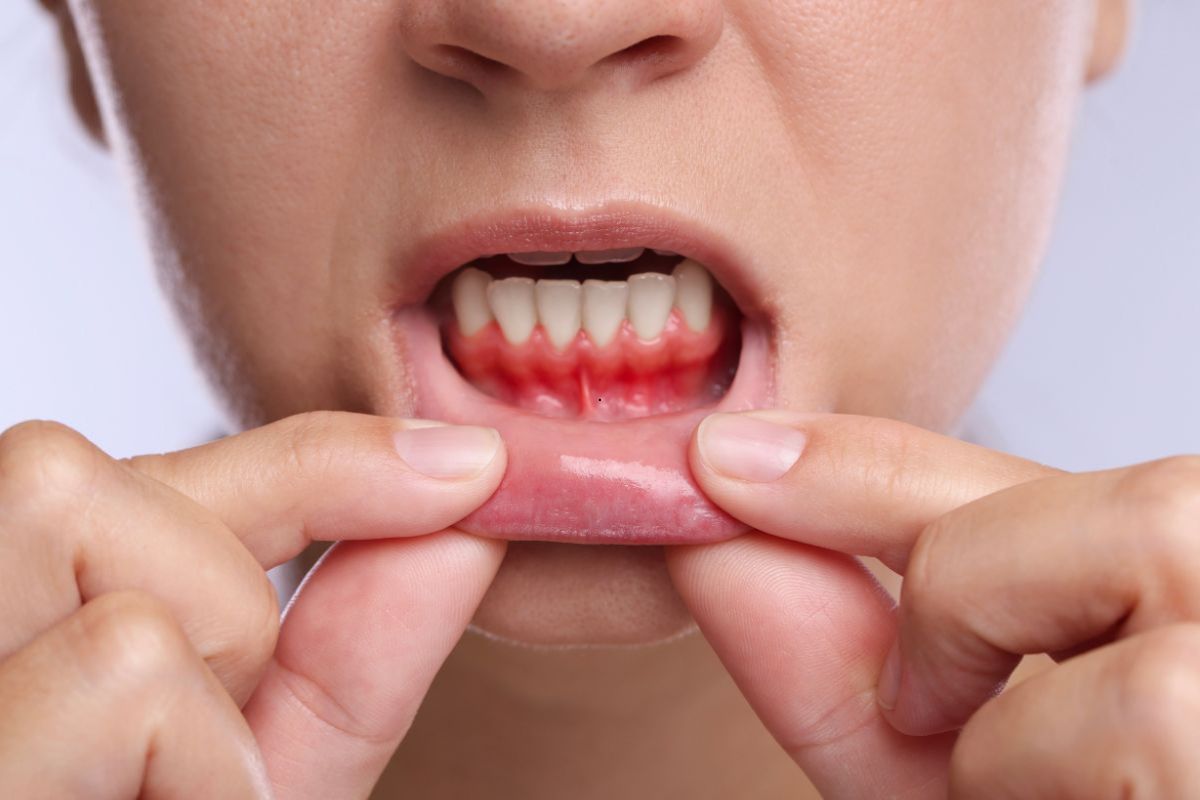
- Gingivitis: Early-stage gum disease marked by redness, swelling, and bleeding gums.
- Periodontitis: Advanced gum disease where the infection spreads below the gumline, damaging bone and connective tissue.
Even after a tooth is removed, the infection-causing bacteria can remain in your gums and surrounding bone, continuing to affect your oral health.
Does Tooth Extraction Cure Gum Disease?
While removing a tooth may eliminate one area affected by infection, it does not automatically cure gum disease. The bacteria responsible for the disease often persist in other parts of the mouth.
Here’s why gum disease can remain even after extraction:
- The infection is in the gums, not the tooth.
Extraction removes the tooth, but not the bacteria in the surrounding tissue. - Other teeth may still be at risk.
Without proper treatment, the infection can spread to neighboring teeth. - Bone loss can continue.
Periodontal bacteria can continue damaging jawbone tissue even without teeth.
For complete healing, professional gum disease treatment is essential.
Effective Treatments After Tooth Extraction
After tooth removal, your dentist or periodontist in McKinney, TX may recommend additional treatments to control infection and promote gum healing.
1. Deep Cleaning (Scaling and Root Planing)
This non-surgical procedure removes plaque and tartar buildup from below the gumline, helping gums heal and reattach to teeth.
2. Antibiotic Therapy
Medicated gels or oral antibiotics may be prescribed to target bacteria remaining in gum pockets and surrounding tissues.
3. Laser Gum Therapy
Laser treatment can precisely remove infected tissue and bacteria, promoting faster healing with minimal discomfort.
4. Bone or Gum Grafting
In cases of advanced gum disease, bone or tissue grafting may be necessary to restore lost structure and prepare for future dental implants.
Each of these treatments works to eliminate infection and restore a healthy foundation for your gums and jawbone.
Healing After Extraction
After tooth extraction, proper aftercare plays a crucial role in recovery. Following your dentist’s post-extraction instructions can prevent complications and promote healing.
Tips for better healing include:
- Keep the extraction site clean and free of debris.
- Avoid smoking or using tobacco products.
- Rinse gently with warm salt water after the first 24 hours.
- Eat soft foods until your gums begin to heal.
Your dentist will monitor healing progress and recommend follow-up treatments if signs of infection persist.
Preventing Gum Disease from Returning
The best way to manage gum disease is to prevent it from recurring. Consistent home care and regular professional cleanings can make all the difference.
Prevention tips:
- Brush twice a day using a soft-bristled toothbrush.
- Floss daily to remove plaque between teeth.
- Schedule regular visits for gum disease treatment in McKinney.
- Eat a balanced diet rich in vitamins and minerals to support gum health.
With these habits, you can significantly reduce the risk of reinfection and protect your smile long-term.
Conclusion
Tooth extraction may remove a problem tooth, but it’s not a cure for gum disease. The bacteria causing gum inflammation and bone loss can remain active in your mouth even after extraction. Effective gum disease treatment and proper oral hygiene are essential to restore and maintain gum health.
Working closely with your periodontist in McKinney, TX, you can develop a personalized treatment plan to eliminate infection and preserve your oral health for the future.
If you’re dealing with gum disease or considering tooth extraction, schedule a consultation with Innovative Dental Specialists of McKinney. Our experienced team provides comprehensive gum disease treatment in McKinney designed to target infection at its source and promote long-term gum and bone health.



New Patients Appointments Welcome!
