


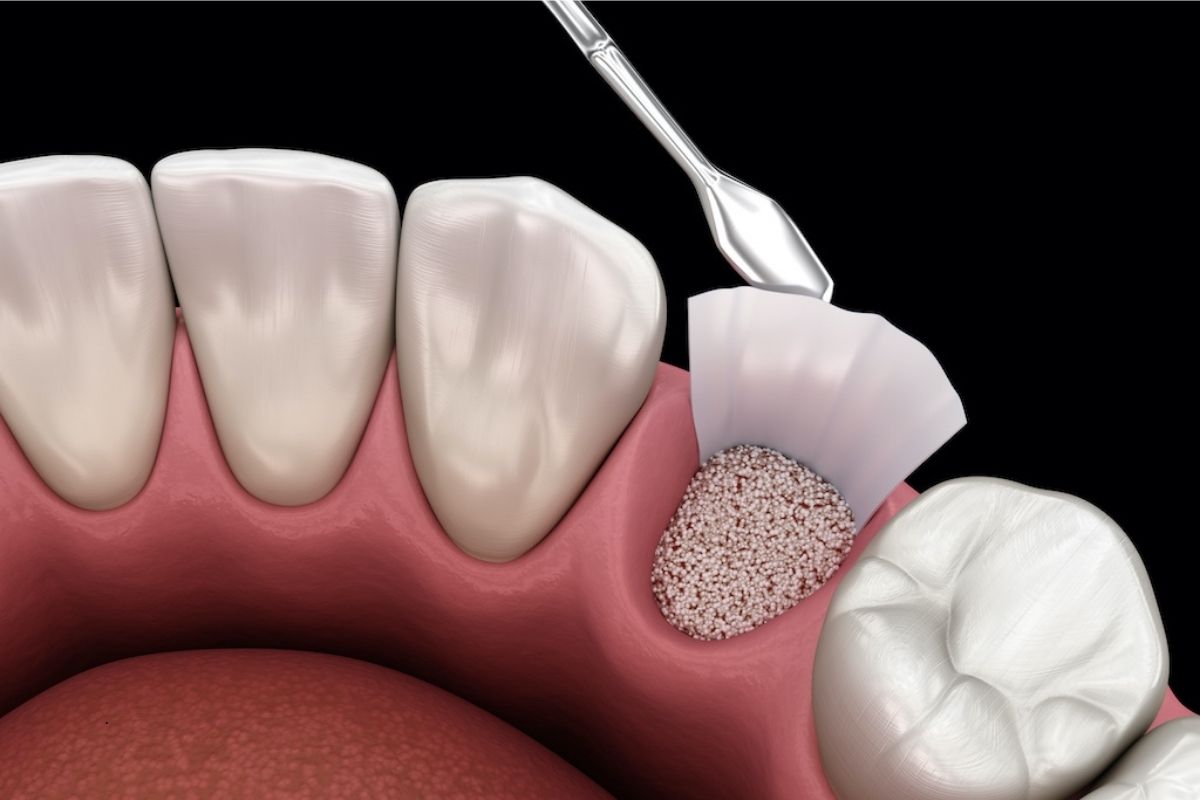
Tooth loss, gum disease, or trauma can lead to bone loss in the jaw, making it difficult to support dental implants or maintain oral health. In these cases, bone grafting is often recommended. This procedure helps restore bone volume, strengthens the jaw, and creates a solid foundation for future dental work. But before deciding, it’s important to understand the pros, cons, and what recovery looks like.
At Innovative Dental Specialists of McKinney, our team believes patients deserve clear, detailed information to make confident decisions about their dental care.
What Is Bone Grafting?
Bone grafting is a procedure that rebuilds or strengthens areas of the jaw where bone has deteriorated. A grafting material—often synthetic or taken from another source—is placed in the area needing support. Over time, your body naturally integrates the material, encouraging new bone growth.
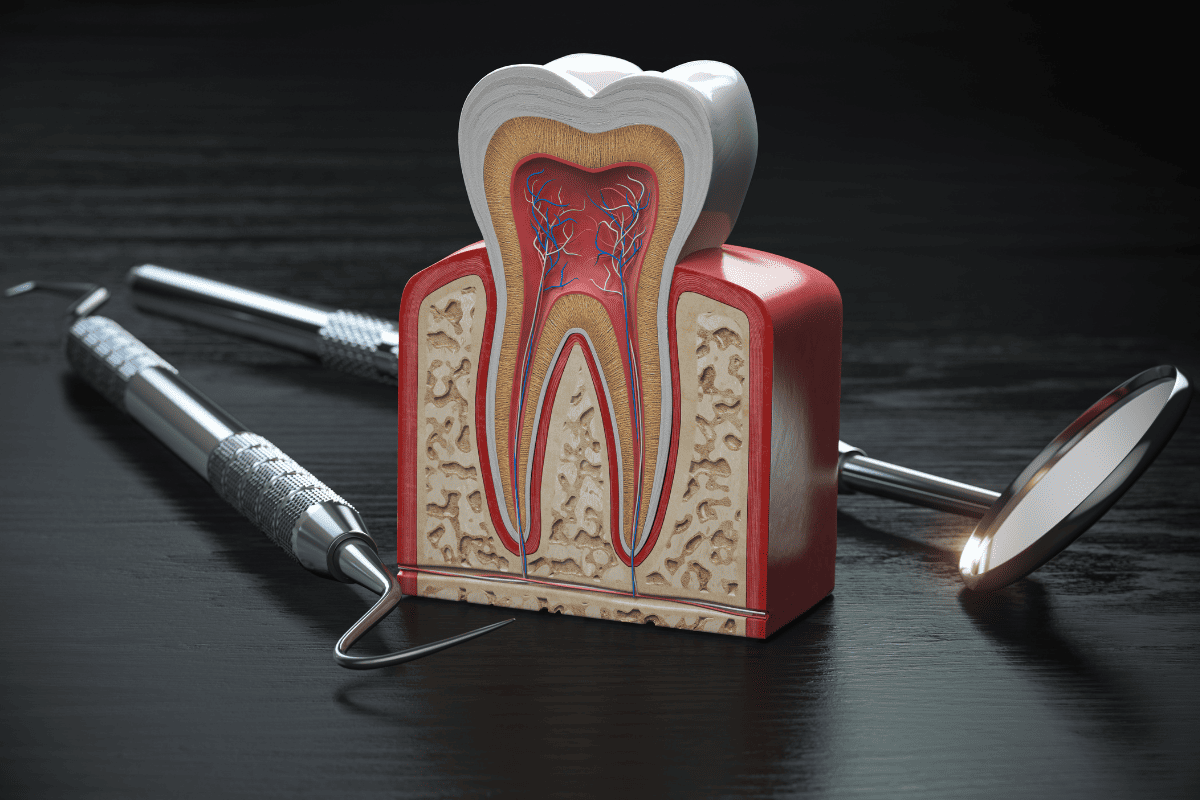
This process is especially valuable for patients considering dental implants, as implants require sufficient jawbone density for stability.
Pros of Bone Grafting
1. Restores Jaw Strength
Bone grafting restores density to weakened areas, ensuring the jaw can support implants or dentures effectively.
2. Prevents Further Bone Loss
Bone naturally resorbs after tooth loss. Grafting slows or stops this process, maintaining your facial structure and oral health.
3. Improves Candidacy for Implants
Patients who might not qualify for implants due to bone loss can often become eligible after grafting.
4. Supports Long-Term Oral Health
By reinforcing the foundation of your teeth, bone grafting helps prevent complications and supports better long-term results with restorative treatments.
Cons of Bone Grafting
1. Additional Healing Time
The body needs time to integrate the graft material, which can take several months before moving on to the next stage of treatment.
2. Possible Discomfort
Like any surgical procedure, patients may experience swelling, soreness, or minor discomfort during recovery.
3. Cost Considerations
Bone grafting adds to the overall cost of dental treatment, though many patients see it as a long-term investment in their health.
4. Not Always Immediate Results
Unlike simple procedures, bone grafting requires patience, as the new bone must heal fully before implants or other work can be completed.
Recovery Tips After Bone Grafting
Recovery usually lasts a few weeks, with full integration of the graft taking several months. To support healing, consider these tips:
- Follow your dentist’s instructions carefully. Proper care prevents infection and promotes faster healing.
- Stick to a soft diet. Foods like soups, yogurt, and smoothies are gentle on the surgical site.
- Avoid smoking and alcohol. Both can slow healing and reduce graft success.
- Practice good oral hygiene. Keep the area clean but avoid brushing directly over the graft until advised.
- Attend all follow-up appointments. Your provider will monitor healing and ensure everything is progressing as expected.
Most patients report manageable recovery and are able to return to normal activities within a few days.
Is Bone Grafting Right for You?
Not everyone needs this procedure, but it’s often recommended for those with significant bone loss or anyone considering dental implants. A thorough evaluation with a periodontist in McKinney, TX, can help determine if it’s the right step for your oral health goals.
Conclusion
Bone grafting plays a vital role in restoring jaw strength, preventing bone loss, and supporting long-term dental health. While it comes with added time and cost, the benefits often outweigh the drawbacks for patients seeking durable solutions like implants.
If you’re considering dental implants or have concerns about bone loss, schedule a consultation with Innovative Dental Specialists of McKinney. Our experienced team will evaluate your needs and guide you through the best options for restoring your smile.

New Patients Appointments Welcome!
